
Unforgettable Rwanda and Uganda Safari Holidays Discover the incredible landscapes, wildlife, cultures, and unforgettable adventures…
About Gorillas
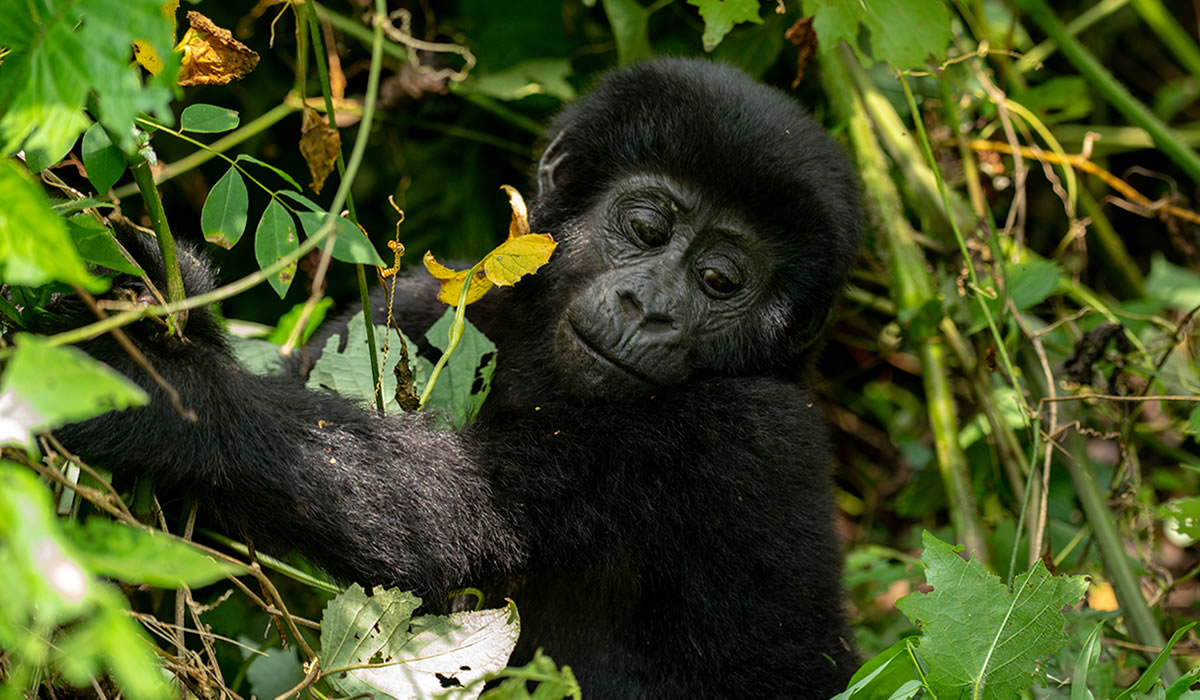
The story of mountain gorillas in Rwanda and Uganda is one of the most remarkable conservation successes in the world, centered around a rare and endangered species known as the mountain gorilla. These gorillas inhabit the mist-covered highlands of Central and East Africa, particularly in the dense forests of Volcanoes National Park and Bwindi Impenetrable National Park. Their survival has been shaped by decades of effort, struggle, and collaboration between governments, scientists, and local communities.
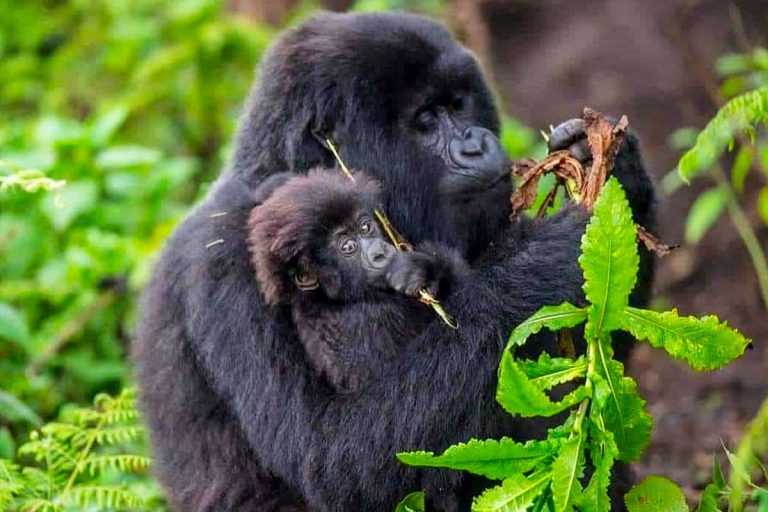
Mountain gorillas are a subspecies of the eastern gorilla and are distinguished by their thick fur, which allows them to survive in colder, high-altitude environments. Unlike their lowland relatives, they are primarily terrestrial and spend much of their time foraging on the forest floor. Their diet consists mainly of leaves, stems, bamboo shoots, and occasionally fruit. Observing them in their natural habitat offers a rare glimpse into a complex and gentle social world.
Rwanda and Uganda share a critical responsibility for protecting these animals. In Rwanda, Volcanoes National Park forms part of the larger Virunga Conservation Area, which extends into the Democratic Republic of the Congo. In Uganda, Bwindi Impenetrable National Park is a UNESCO World Heritage Site, renowned for its extraordinary biodiversity and dense vegetation. These protected areas are among the only places on Earth where mountain gorillas still live in the wild.
The history of gorilla conservation in this region is closely linked to the work of Dian Fossey, who dedicated her life to studying and protecting mountain gorillas in Rwanda. Her research brought global attention to the threats facing these animals, including poaching and habitat destruction. Although her life ended tragically, her legacy continues through ongoing conservation initiatives.
In the past, mountain gorilla populations declined sharply due to human activities such as deforestation, illegal hunting, and civil unrest. By the 1980s, their numbers had dropped to critically low levels, raising fears of extinction. However, coordinated conservation strategies in Rwanda and Uganda have helped reverse this trend, making the mountain gorilla one of the few endangered species whose population is increasing.
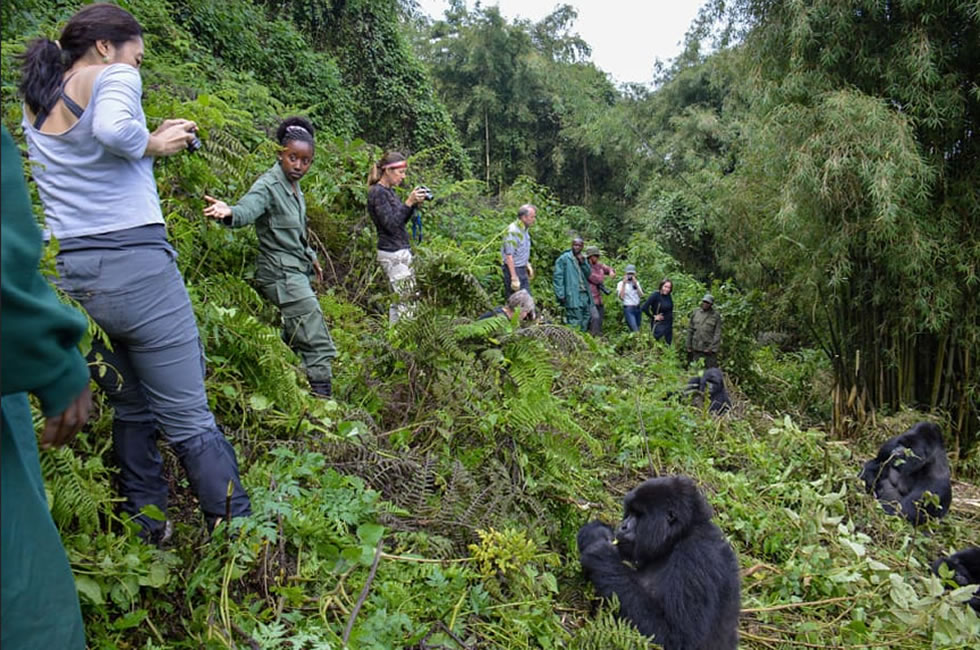
A key component of conservation success has been regulated gorilla trekking tourism. Visitors from around the world travel to Rwanda and Uganda to spend a limited time observing gorilla families in their natural environment. In Rwanda, this experience is managed through Volcanoes National Park, while in Uganda it takes place in Bwindi and Mgahinga Gorilla National Park. Strict rules are enforced to minimize disturbance and protect both gorillas and visitors.
Tourism revenue plays a vital role in funding conservation efforts. Permit fees, which can be quite high, are reinvested into park management, anti-poaching patrols, and community development projects. In Rwanda, a portion of tourism income is shared with local communities, creating incentives for people to protect gorillas rather than exploit forest resources.
Local communities are essential partners in conservation. In both Rwanda and Uganda, programs have been developed to provide alternative livelihoods, such as beekeeping, handicrafts, and eco-tourism services. These initiatives reduce reliance on forest resources and help build a sense of ownership and pride in protecting gorillas.
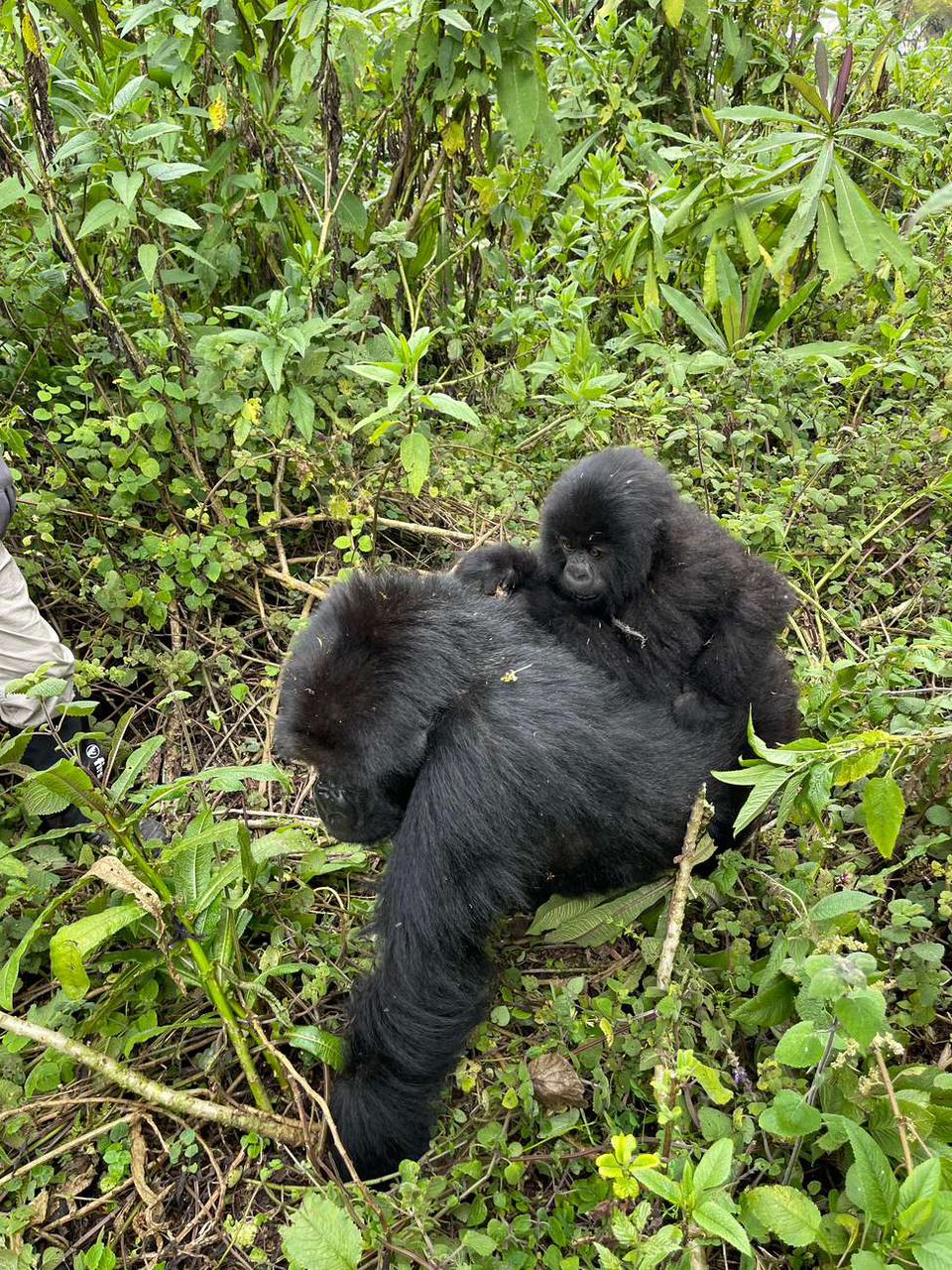
Gorilla families are led by dominant males known as silverbacks, named for the distinctive patch of silver hair on their backs. These leaders are responsible for protecting the group, making decisions about movement, and maintaining social order. Each family group has its own dynamics, with strong bonds between mothers and their young.
Habituation is a critical process that allows gorillas to become accustomed to human presence without feeling threatened. This process can take several years and is carefully managed by trained researchers and guides. Only habituated groups are visited by tourists, ensuring that wild populations remain undisturbed.
Health monitoring is another crucial aspect of conservation. Because gorillas share much of their DNA with humans, they are susceptible to many human diseases. Rangers and veterinarians regularly observe gorilla groups for signs of illness, and visitors are required to follow strict hygiene protocols, including maintaining distance and wearing masks when necessary.
The governments of Rwanda and Uganda have demonstrated strong political commitment to conservation. Rwanda, in particular, has positioned itself as a leader in sustainable tourism, investing in infrastructure and promoting high-value, low-impact travel experiences. Uganda, meanwhile, offers a more diverse range of trekking options, often at lower costs, attracting a broader range of visitors.
Cross-border collaboration is essential because gorillas do not recognize national boundaries. Rwanda, Uganda, and the Democratic Republic of the Congo work together through the Greater Virunga Transboundary Collaboration to coordinate conservation efforts, share data, and manage shared ecosystems.
Despite progress, challenges remain. Habitat pressure from growing human populations continues to threaten forest areas. Climate change may also affect the delicate ecosystems that gorillas depend on. Conservationists must remain vigilant and adaptive to ensure long-term success.
Education and awareness play a key role in sustaining conservation efforts. Schools, community programs, and international campaigns help spread knowledge about the importance of protecting mountain gorillas and their habitats. Increased awareness has contributed to a shift in attitudes, both locally and globally.
The economic impact of gorilla tourism extends beyond the parks themselves. Hotels, transport services, guides, and local businesses all benefit from the influx of visitors. This creates a broader economic ecosystem that supports national development while reinforcing conservation goals.
Visiting gorillas in Rwanda or Uganda is often described as a life-changing experience. The opportunity to stand just meters away from these powerful yet gentle creatures creates a deep emotional connection and a greater appreciation for wildlife conservation.
In recent years, gorilla populations have shown encouraging growth. According to conservation reports, the number of mountain gorillas now exceeds 1,000 individuals, a significant milestone for a species once on the brink of extinction. This success is a testament to what can be achieved through sustained effort and cooperation.
Ultimately, the story of gorillas in Rwanda and Uganda is not just about wildlife; it is about resilience, collaboration, and the possibility of coexistence between humans and nature. It demonstrates that with the right strategies and commitment, even the most endangered species can recover and thrive. With Unique Africa Ventures, You Explore Like Never Before!
For more Info, CONTACT US TODAY AND TALK WITH TOUR CONSULTANT:
Call or WhatsApp: +250 794 128 369
Related Posts