
Unforgettable Rwanda and Uganda Safari Holidays Discover the incredible landscapes, wildlife, cultures, and unforgettable adventures…
Gorilla Trekking in Rwanda During the Rainy Season – Is It Worth It?
Gorilla trekking is one of the most remarkable wildlife experiences in the world, and Rwanda has earned a global reputation as one of the best destinations for encountering mountain gorillas in their natural habitat. The experience takes place primarily in Volcanoes National Park, where visitors hike through dense forests and bamboo-covered slopes to observe endangered mountain gorillas living freely in family groups. While many travelers prefer visiting during the dry seasons, the rainy season offers a surprisingly rewarding alternative that is often overlooked. The question many travelers ask is whether gorilla trekking in Rwanda during the rainy season is worth the challenges that come with wet weather. For many visitors, the answer is a resounding yes.
Rwanda experiences two main rainy seasons, generally from March to May and from October to November. During these months, rainfall can be frequent, especially in the mountainous regions where gorillas live. Trails become muddy, vegetation grows thicker, and visibility may occasionally be reduced. Despite these conditions, gorilla trekking activities continue almost every day unless weather conditions become extremely severe. Park authorities and experienced guides are well prepared to operate safely in wet conditions, ensuring that visitors can still enjoy successful treks.
One of the greatest advantages of trekking during the rainy season is the lush beauty of the landscape. The forests become incredibly green and vibrant as rainfall nourishes the vegetation. Moss-covered trees, flowering plants, and dense bamboo forests create an enchanting environment that feels almost prehistoric. Photographers often appreciate the rich colors and dramatic scenery that emerge after rainfall. The mist that drifts across the mountains can add a magical atmosphere to photographs and enhance the overall wilderness experience.
Another major benefit is the reduced number of tourists. Rwanda’s dry seasons attract a large volume of visitors, meaning trekking permits can sell out months in advance. During the rainy season, demand is generally lower, allowing travelers greater flexibility when planning their trips. Smaller visitor numbers can create a more intimate experience both during the trek and at lodges. Many travelers enjoy the feeling of having the forest trails and viewing opportunities less crowded than during peak tourism periods.
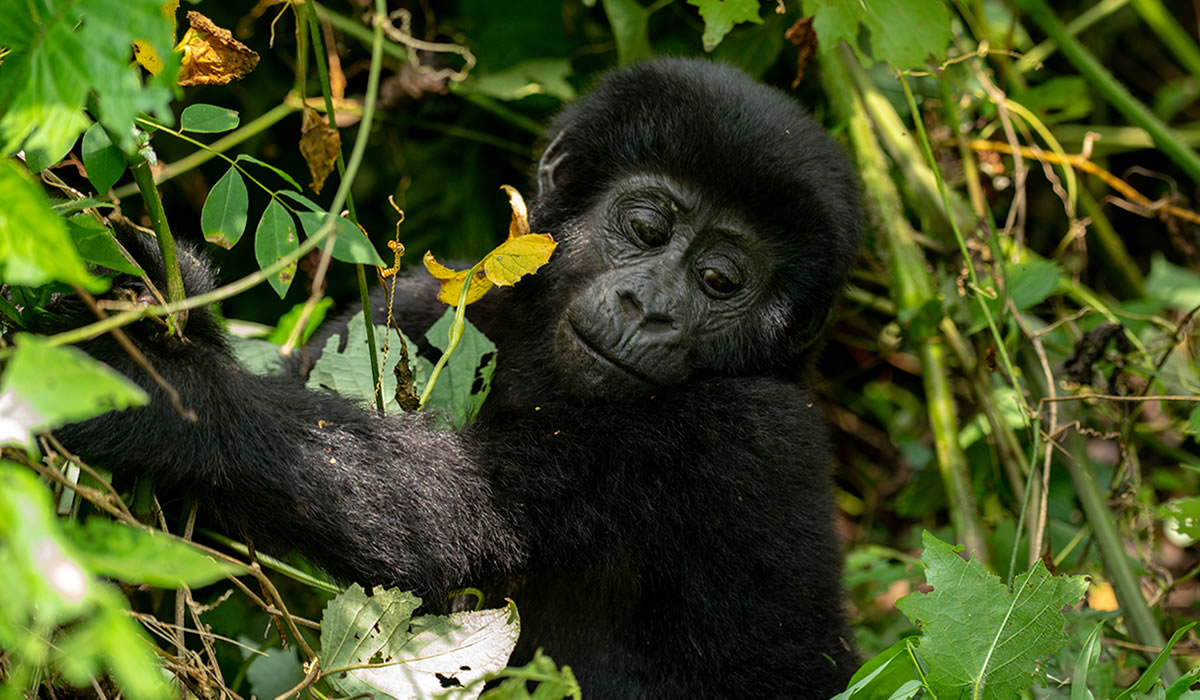
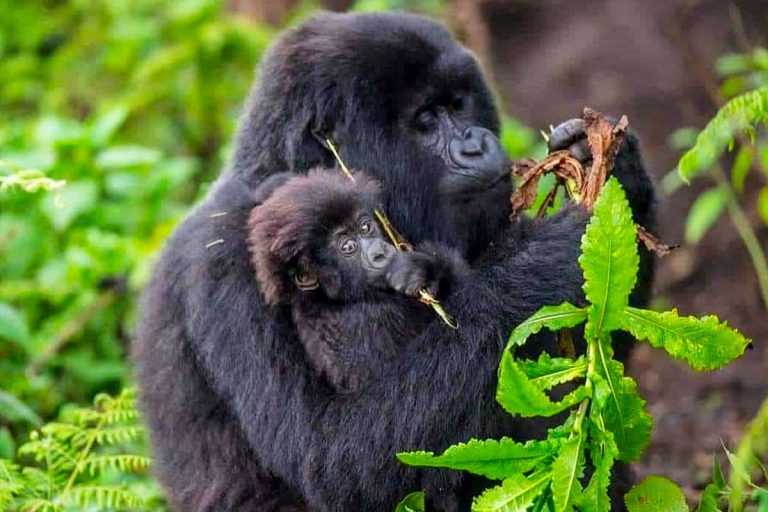
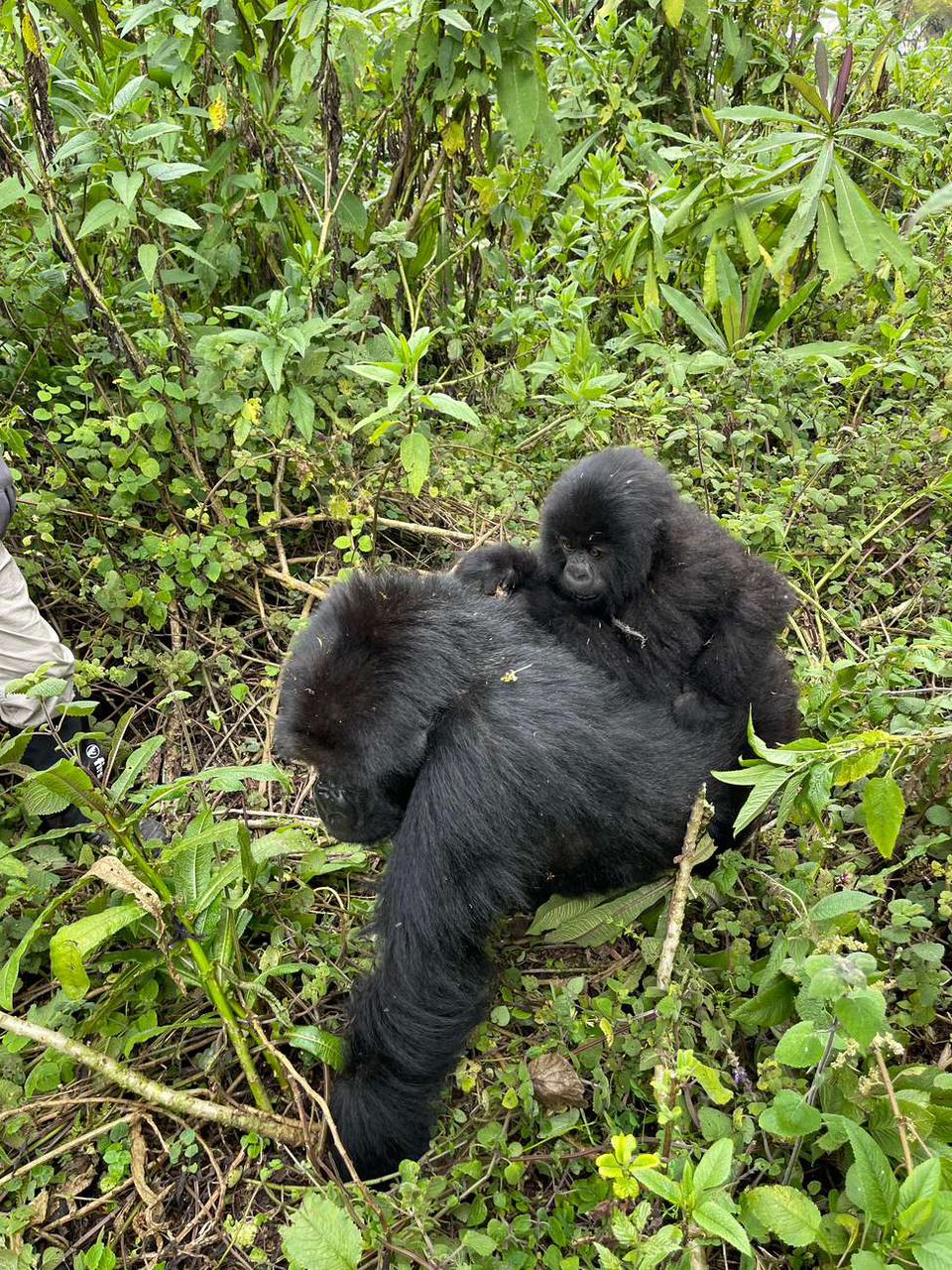
The gorillas themselves do not disappear during the rainy season. In fact, many gorilla families remain relatively accessible. Because food sources become abundant at lower elevations during wetter months, gorillas often spend more time feeding closer to the lower forest slopes. This can sometimes result in shorter trekking distances compared to certain dry-season hikes where gorillas may move to higher elevations. While trek durations vary daily based on gorilla movements, some visitors find rainy-season hikes surprisingly manageable.
The cooler temperatures associated with the rainy season can also make trekking more comfortable. Hiking through mountainous terrain requires physical effort, and cooler conditions can reduce fatigue compared to trekking under intense sunshine. Although the humidity remains high, many visitors appreciate the relief from strong equatorial heat. The misty forests provide natural shade, creating a pleasant trekking environment despite the moisture.
Rainy-season visitors often encounter a forest that feels more alive. Birds become highly active, insects thrive, and the rainforest ecosystem reaches its peak productivity. Beyond gorillas, visitors may observe colorful bird species, monkeys, and various forest creatures that flourish in wet conditions. For nature enthusiasts, the rainy season offers a fuller appreciation of Rwanda’s biodiversity and ecological richness.
Photography during the rainy season presents unique opportunities and challenges. The soft cloud cover acts as a natural diffuser, reducing harsh shadows and producing balanced lighting conditions. This can help create stunning wildlife portraits with rich detail and color. However, photographers must protect their equipment from moisture using waterproof covers and dry bags. With proper preparation, rainy-season photography can yield some of the most dramatic and memorable images of mountain gorillas.
Travel costs may also be more favorable during certain rainy-season periods. Although Rwanda’s gorilla trekking permit price generally remains consistent throughout the year, some accommodations offer seasonal discounts or promotional rates. Luxury lodges and mid-range properties occasionally reduce prices during lower-demand months, enabling travelers to enjoy higher-quality accommodations at more affordable rates. This can significantly improve the value of an overall Rwanda safari experience.
The physical challenges of trekking should not be underestimated. Rain transforms forest paths into slippery trails that can become difficult to navigate. Steep slopes may require careful footing, and hikers should expect muddy conditions. Waterproof hiking boots with excellent grip are essential. Gaiters, rain jackets, and trekking poles can also make a substantial difference in comfort and safety. Travelers who arrive properly equipped generally handle these conditions successfully.
Guides and trackers play a critical role in ensuring a positive experience during wet-weather treks. Rwanda’s park staff are highly trained professionals with extensive knowledge of the forest and gorilla families. Before visitors enter the forest, trackers often locate the gorillas and communicate their positions to trekking groups. This coordinated effort helps maximize the chances of successful encounters regardless of weather conditions. Their expertise becomes especially valuable when navigating challenging terrain during rainy periods.
Health and safety considerations remain important throughout the year. Rain can increase exposure to cold temperatures at higher elevations, particularly when clothing becomes wet. Layered clothing and waterproof outerwear help maintain body temperature and comfort. Visitors should also carry sufficient drinking water, energy snacks, and protective gear. Following guide instructions and maintaining a steady pace can help minimize fatigue and reduce the risk of slips or injuries.
The atmosphere of the rainforest during rainfall is something many visitors describe as unforgettable. The sound of raindrops falling through the canopy, combined with distant bird calls and rustling vegetation, creates a deeply immersive wilderness experience. Many travelers find that the rainy season enhances the sense of adventure, making the trek feel more authentic and connected to nature. The forest appears untouched and vibrant, offering a powerful reminder of the gorillas’ natural habitat.
Conservation remains at the heart of Rwanda’s gorilla tourism program. Revenue generated through gorilla trekking permits supports wildlife protection, community development, habitat preservation, and anti-poaching initiatives. Whether visitors travel during the dry season or rainy season, their participation contributes directly to the survival of mountain gorillas. The continued success of conservation efforts in Rwanda demonstrates how sustainable tourism can support both wildlife and local communities.
Travelers considering rainy-season gorilla trekking should plan carefully. Waterproof clothing, quick-drying layers, gloves, insect repellent, and protective backpacks are highly recommended. Hiring a porter can greatly enhance comfort, particularly on muddy trails. Porters assist with carrying bags and provide support on difficult sections of the trek while also generating employment opportunities for local residents. This small investment often proves invaluable during wet conditions.
Accommodation options near Volcanoes National Park remain operational throughout the rainy season, ranging from budget guesthouses to world-class luxury lodges. Many properties offer spectacular views of the volcanic mountains, cozy fireplaces, and comfortable facilities that are especially welcome after a wet day in the forest. Returning to a warm lodge after a successful gorilla encounter can become one of the most memorable parts of the journey.
Ultimately, gorilla trekking in Rwanda during the rainy season is absolutely worth considering for travelers who are prepared for the conditions. The combination of fewer tourists, lush scenery, potentially shorter treks, unique photographic opportunities, and immersive rainforest experiences creates a compelling alternative to peak-season travel. While mud and rain add an extra layer of challenge, they also contribute to the adventure and authenticity of the experience. For many visitors, seeing a family of endangered mountain gorillas emerge from the misty forests of Rwanda becomes even more magical when framed by the rich greenery and dramatic atmosphere that only the rainy season can provide. With Unique Africa Ventures, You Explore Like Never Before!
For more Info, CONTACT US TODAY AND TALK WITH TOUR CONSULTANT:
Call or WhatsApp: +250 794 128 369
Related Posts