
Nyungwe Forest Hiking Trails Ranked by Difficulty: The Ultimate Guide to Hiking in Rwanda Discover…
Birdwatching Safaris in Rwanda – Top Locations & Rare Species
Rwanda has earned a global reputation as one of Africa’s most rewarding birdwatching destinations. Despite its relatively small size, the country contains an extraordinary diversity of ecosystems ranging from montane rainforests and bamboo-covered volcanoes to papyrus swamps, savannah grasslands, and freshwater lakes. This ecological variety supports more than 700 recorded bird species, making Rwanda a prime destination for both casual bird lovers and dedicated ornithologists. The country is especially famous for offering access to several Albertine Rift endemics — rare species found only within the mountainous forests along the western branch of the Great Rift Valley. Birdwatching safaris in Rwanda are uniquely appealing because visitors can experience high biodiversity within short travel distances, unlike many other African countries where long internal flights are required. Well-maintained roads, political stability, experienced guides, and conservation-focused tourism further enhance Rwanda’s appeal as a birding paradise.
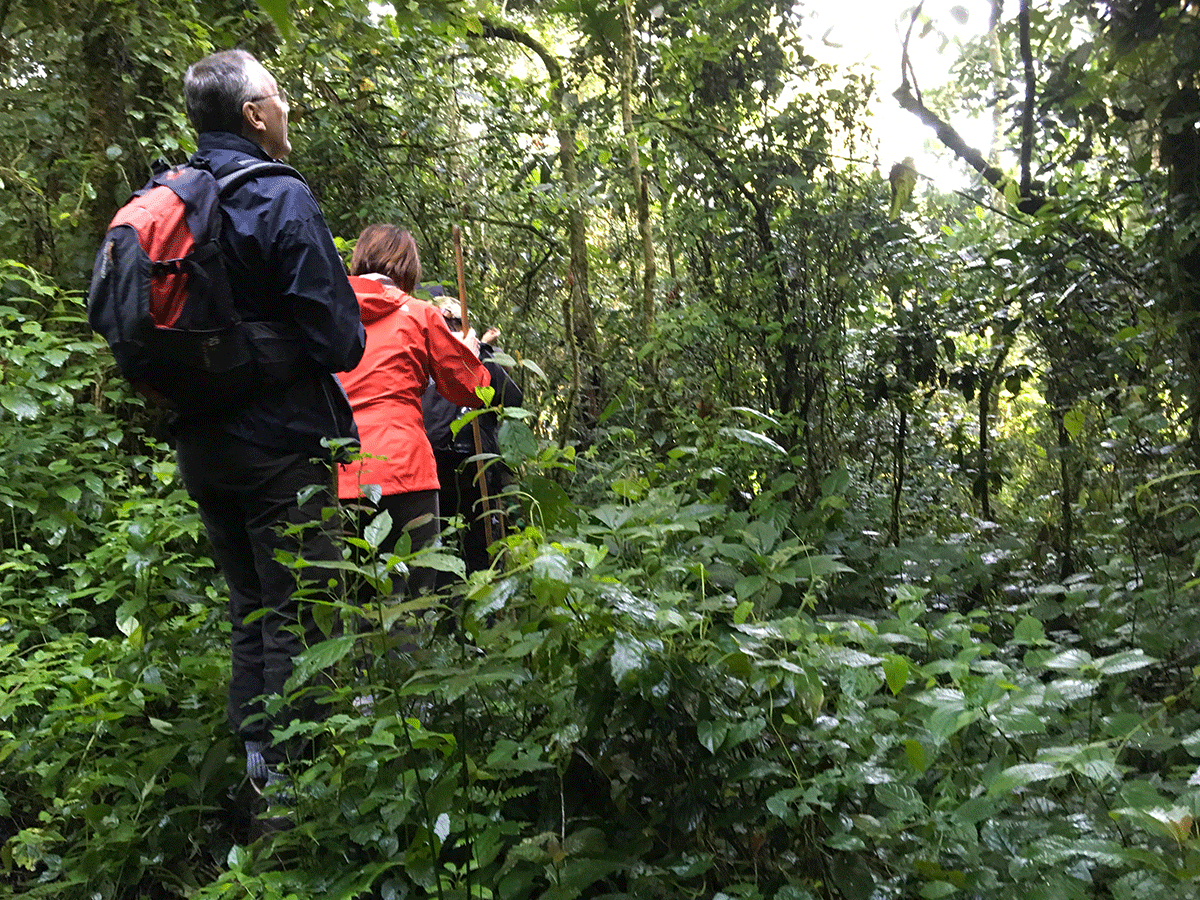
One of the most celebrated birdwatching locations in the country is Nyungwe Forest National Park, a vast montane rainforest in southwestern Rwanda. Nyungwe is often considered the crown jewel of Rwandan birding because it hosts nearly 330 bird species, including more than two dozen Albertine Rift endemics. The ancient forest canopy, dense understory vegetation, and network of trails create ideal habitats for rare and elusive birds. Birdwatchers visiting Nyungwe frequently search for species such as the Red-collared Mountain Babbler, Rwenzori Turaco, Grauer’s Swamp Warbler, and the highly sought-after Red-faced Woodland Warbler. The park’s elevation gradient supports different ecological zones, allowing birders to encounter a wide variety of species within a single excursion. Early morning walks through the mist-covered forest are especially productive because many species become active at dawn.
Among Nyungwe’s most iconic birds is the Great Blue Turaco, one of Africa’s largest and most visually striking forest birds. Its brilliant cobalt-blue plumage, green wings, and distinctive crest make it unforgettable for photographers and nature enthusiasts alike. Observing a flock of Great Blue Turacos gliding through the forest canopy is considered a highlight of many Rwandan birding safaris. Nyungwe is also one of the best locations in East Africa to see the Regal Sunbird, a dazzling species known for its iridescent plumage and rarity. Birding guides in the park are highly skilled at identifying bird calls and locating hidden species, which significantly increases the chances of successful sightings. Because many of the forest birds are shy and remain concealed in dense foliage, guided birding tours are strongly recommended.
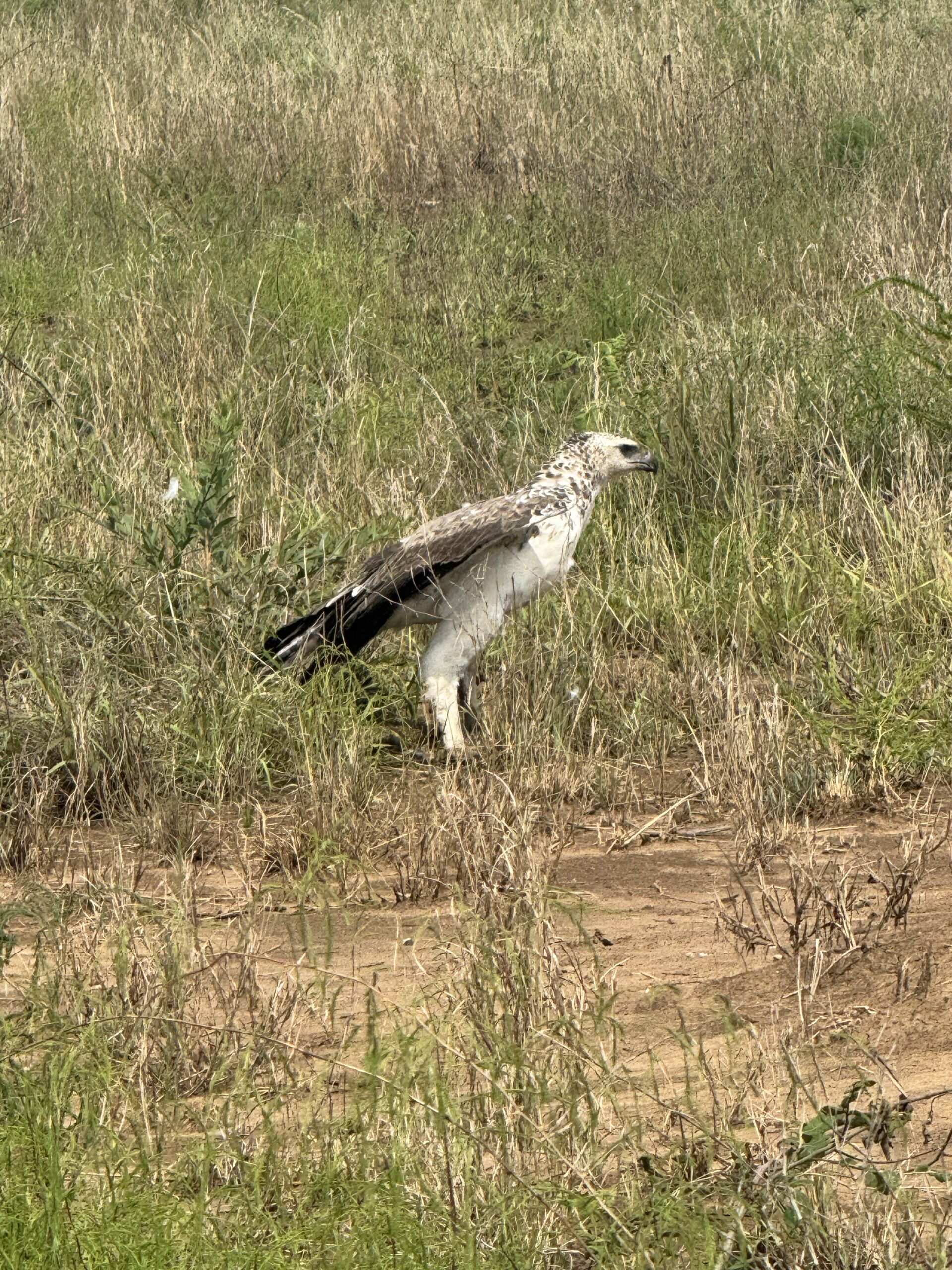
Another major destination for birdwatching safaris is Akagera National Park, located in eastern Rwanda along the border with Tanzania. Unlike Nyungwe’s rainforest ecosystem, Akagera is dominated by savannah plains, wetlands, lakes, and acacia woodlands. This habitat diversity supports nearly 500 bird species, making the park one of the richest birding areas in Central Africa. Akagera is especially attractive to birders interested in waterbirds and savannah specialists. The extensive wetland system around Lake Ihema and other lakes attracts large populations of herons, egrets, kingfishers, cormorants, and storks. The combination of game viewing and birdwatching also makes Akagera ideal for travelers seeking a classic African safari experience alongside exceptional birding opportunities.
A particularly famous species found in Akagera is the Shoebill, one of Africa’s most mysterious and prehistoric-looking birds. The Shoebill is highly sought after by international birdwatchers because of its rarity and unusual appearance, characterized by its massive shoe-shaped bill and statuesque posture. Spotting a Shoebill in Rwanda often requires patience and experienced local guides familiar with the marsh habitats where the species resides. Boat safaris on Lake Ihema provide some of the best opportunities to search for this remarkable bird. In addition to the Shoebill, Akagera hosts species such as the African Fish Eagle, Papyrus Gonolek, Northern Brown-throated Weaver, and African Openbill Stork. The park’s bird diversity is particularly impressive during the migratory season when Palearctic migrants arrive from Europe and Asia.
The wetlands of Rwanda also offer extraordinary birdwatching experiences, especially within Rugezi Marsh. This high-altitude wetland is internationally recognized for its ecological importance and is protected under the Ramsar Convention. Rugezi Marsh is one of the last strongholds for several endangered bird species in the Albertine Rift region. Birders visiting the marsh often hope to encounter the Grauer’s Swamp Warbler, a globally threatened species with a very restricted distribution. The marsh also supports populations of Grey Crowned Cranes, White-winged Swamp Warblers, and numerous papyrus specialists. The tranquil atmosphere of Rugezi, combined with its dramatic mountain scenery, creates a uniquely immersive birdwatching environment.
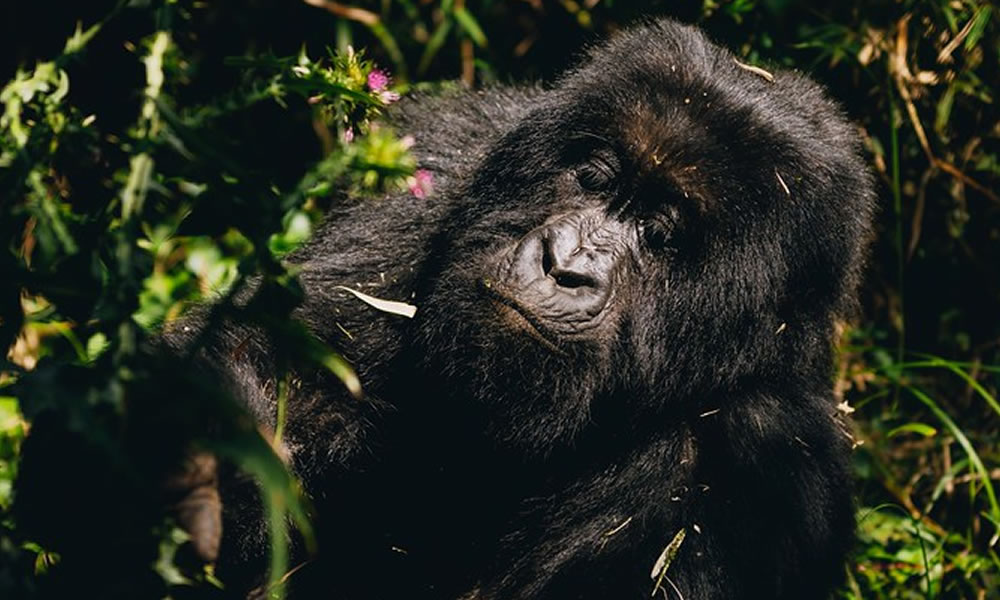
Another outstanding birding site is Volcanoes National Park, internationally renowned for mountain gorilla trekking but equally rewarding for birdwatchers. The park lies within the Virunga volcanic range and consists of bamboo forests, montane forests, and alpine vegetation zones. More than 200 bird species have been recorded here, including many Albertine Rift endemics. Birdwatchers frequently encounter species such as the Rwenzori Batis, Archer’s Robin-Chat, Strange Weaver, and Dusky Crimsonwing. The high-altitude environment presents a very different birding experience compared to the lowland savannahs and wetlands of eastern Rwanda. Misty volcanic slopes and dense bamboo stands create ideal conditions for several rare montane species that are difficult to observe elsewhere in Africa.
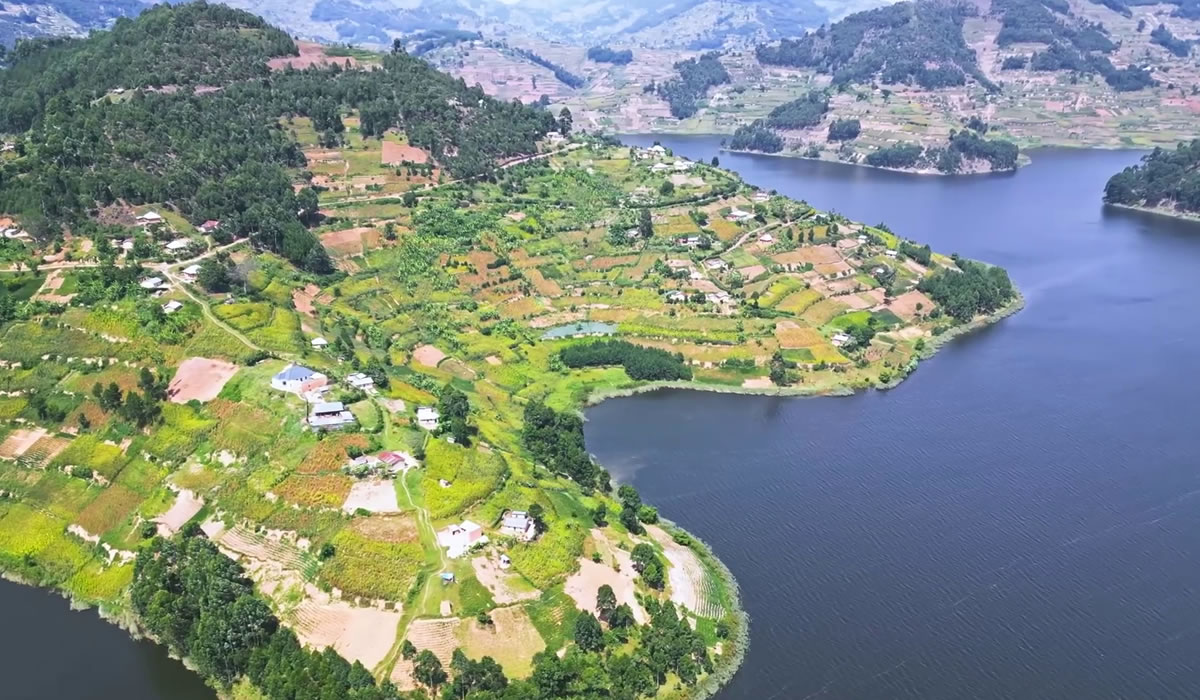
The forests surrounding Lake Kivu also provide excellent birdwatching opportunities. Lake Kivu’s shoreline habitats support a wide variety of waterbirds, while nearby forests and agricultural landscapes attract numerous passerines and raptors. Birders exploring this region often combine birdwatching with scenic relaxation because the lake’s rolling hills and peaceful waters are among Rwanda’s most beautiful landscapes. Species commonly observed include Pied Kingfishers, Ospreys, Palm-nut Vultures, and various sunbird species. The region’s moderate climate and stunning scenery make it ideal for leisurely birding excursions and photography tours.
Rwanda’s birdwatching safaris are not limited to protected national parks alone. Community-based conservation initiatives and eco-lodges throughout the country increasingly support local birding experiences. Many rural communities near protected areas have developed guided birding walks that generate income while promoting environmental stewardship. These initiatives help reduce pressure on fragile ecosystems and encourage local participation in conservation. Visitors often benefit from the extensive knowledge of local guides who are deeply familiar with bird calls, nesting sites, and seasonal movements. Community tourism also creates more authentic cultural interactions, allowing travellers to learn about traditional Rwandan lifestyles alongside wildlife exploration.
The best time for birdwatching safaris in Rwanda generally depends on the visitor’s goals. The wetter months from March to May and from September to November are especially productive because bird activity is high and breeding plumages become more visible. During these seasons, migratory species also supplement resident bird populations, increasing overall diversity. However, birdwatching in Rwanda is excellent year-round due to the country’s temperate equatorial climate. Dry seasons often provide easier hiking conditions and improved visibility along forest trails. Experienced birders sometimes prefer shoulder seasons because they combine manageable weather with strong bird activity.
Photography enthusiasts find Rwanda exceptionally rewarding because of the country’s lush scenery and vibrant birdlife. Forest light conditions can be challenging in dense rainforest environments like Nyungwe, but patient photographers are often rewarded with spectacular images of turacos, sunbirds, and forest warblers. Wetland and savannah habitats in Akagera provide better opportunities for action photography and open-environment shooting. Professional bird photographers frequently use Rwanda as a destination for capturing rare Albertine Rift species that are difficult to photograph elsewhere. Many safari lodges now cater specifically to photographers by offering early departures, specialized guides, and customized birding itineraries.
Conservation plays a central role in Rwanda’s birdwatching tourism industry. The government has invested heavily in habitat protection, reforestation, and eco-tourism infrastructure over the past two decades. These efforts have significantly improved biodiversity conservation while generating sustainable tourism revenue. National parks are managed through partnerships involving conservation organizations, local communities, and tourism stakeholders. Revenue generated from tourism contributes directly to wildlife protection, anti-poaching measures, and community development projects. Birdwatching tourism therefore supports not only biodiversity conservation but also broader socioeconomic development goals within Rwanda.
Rwanda’s compact geography gives it a major advantage over many other African birding destinations. Travelers can move from rainforest to savannah to wetland habitats within a matter of hours. This allows visitors to compile impressive bird lists during relatively short safaris. A well-organized 7–10 day itinerary can easily include Nyungwe Forest, Akagera National Park, Volcanoes National Park, and Lake Kivu. Such efficiency makes Rwanda especially attractive for international birders with limited vacation time who still wish to experience high species diversity and encounter rare endemic birds.
The professionalism of Rwanda’s guiding community further enhances the birdwatching experience. Many guides undergo specialized ornithological training and possess remarkable abilities to identify species by sound alone. Their understanding of bird behavior, habitat preferences, and migration patterns greatly improves sighting success. In recent years, Rwanda has also hosted international birding tours and conservation research programs that contribute to the development of advanced guiding expertise. Visitors often comment that the combination of knowledgeable guides, safe travel conditions, and excellent hospitality makes Rwanda one of the easiest and most enjoyable countries for birdwatching in Africa.
Birdwatching safaris in Rwanda also intersect with primate tourism, creating opportunities for exceptionally diverse wildlife experiences. Visitors may spend one day tracking mountain gorillas in Volcanoes National Park and the next searching for Albertine Rift endemics in Nyungwe Forest. Chimpanzee trekking, canopy walks, and cultural tours can easily be integrated into bird-focused itineraries. This diversity of activities broadens Rwanda’s appeal beyond specialist birders and allows families or mixed-interest groups to enjoy multifaceted safaris. The integration of wildlife conservation with tourism infrastructure has become one of Rwanda’s defining strengths.
As global interest in sustainable and nature-based tourism continues to grow, Rwanda is increasingly recognized as a premier destination for eco-conscious travellers. Birdwatching tourism contributes relatively low environmental impact while generating substantial conservation value. The country’s emphasis on cleanliness, safety, conservation ethics, and community participation aligns strongly with modern ecotourism principles. Rare species, spectacular landscapes, and efficient travel logistics combine to make Rwanda an outstanding destination for birdwatching safaris. Whether exploring the misty forests of Nyungwe, the volcanic slopes of the Virungas, or the wetlands of Akagera, birdwatchers encounter a remarkable concentration of avian diversity within one of Africa’s most scenic and conservation-oriented nations. With Unique Africa Ventures, You explore like never Before!
For more Info, CONTACT US TODAY AND TALK WITH TOUR CONSULTANT:
Call or WhatsApp: +250 794 128 369
Related Posts