
Kigali is widely known as one of Africa’s cleanest and most organized cities, but beyond…
Bird Watching Expeditions in Rwanda
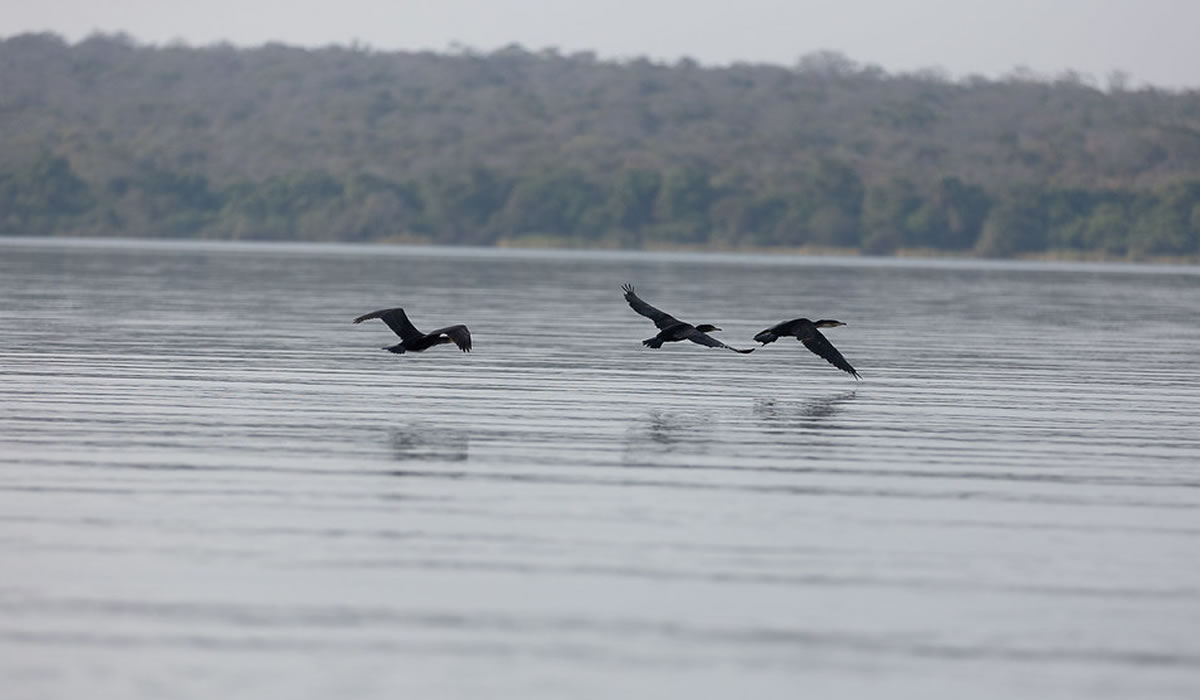
Bird watching expeditions in Rwanda have become one of the most sought after nature based activities for tourists visiting the country. Rwanda is known for its rich biodiversity, lush landscapes and well protected habitats that support more than 700 bird species. These include rare and endangered birds, colourful forest species, migratory water birds and Albertine Rift endemics which attract bird lovers from around the world. Due to its compact size and diverse ecosystems, Rwanda offers exceptional birding opportunities within short distances. Tourists can explore volcanoes, montane forests, wetlands, savannahs and lakes in a single bird watching itinerary. As interest in Rwanda safaris continues to grow, bird watching stands out as one of the top eco tourism activities in the country.
Top Bird Watching Destinations in Rwanda
Rwanda is home to several world class birding locations, each offering unique species and landscapes. Nyungwe Forest National Park is the premier destination for forest bird watching and is considered one of the richest montane forests in Africa. The park shelters more than 300 bird species including Albertine Rift endemics such as the Rwenzori turaco, red collared babbler and the handsome spurfowl. The dense forest canopy, clear trails and professional guides make bird watching here exceptionally rewarding.
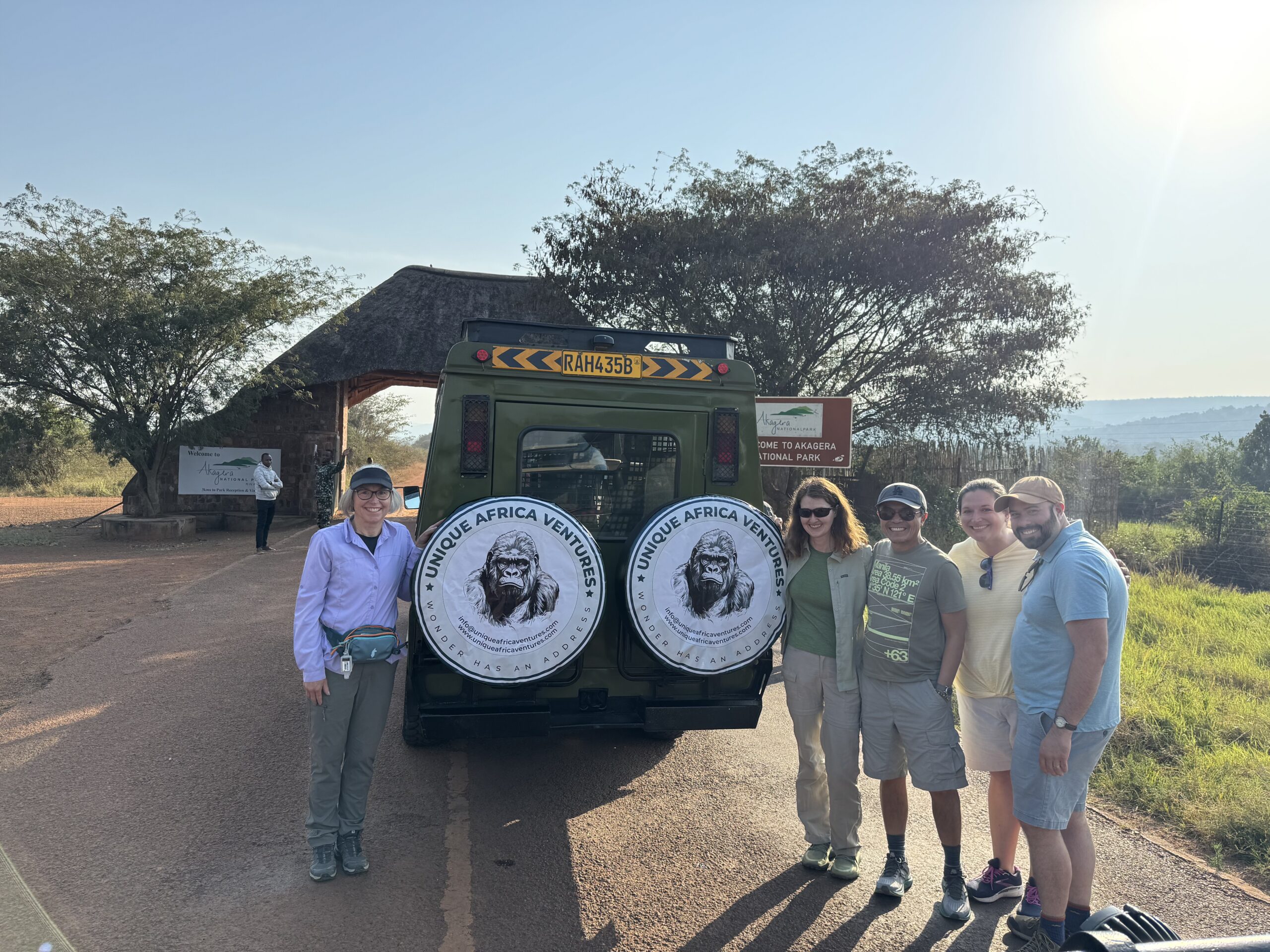
Akagera National Park is another top location, ideal for savannah and wetland bird species. The park features lakes, marshes and broad grasslands that host herons, egrets, fish eagles, shoebills and the striking grey crowned crane. The boat rides on Lake Ihema provide excellent water bird viewing opportunities as tourists glide past hippos and crocodiles while spotting birds perched along the shoreline.
Volcanoes National Park offers high altitude birding where tourists can spot species like the Rwenzori double collared sunbird, strange weaver and dusky crimsonwing. Although better known for mountain gorilla trekking, the park is also a haven for bird enthusiasts because of its unique volcanic ecosystems.
Gishwati Mukura National Park is one of Rwanda’s newest protected areas and hosts more than 200 bird species within a compact forest zone. It is an excellent site for spotting forest birds, primates and butterflies.
Wetland destinations such as Rugezi Marsh and the shores of Lake Kivu also provide fantastic birding opportunities, especially for water birds and migratory species.
Key Bird Species to Expect
Bird watching expeditions in Rwanda offer the chance to observe a long list of iconic species. Albertine Rift endemics are the biggest attraction and include the Rwenzori batis, Archer’s robin chat, Kivu ground thrush and grauer’s swamp warbler. These species are found only in the high altitude forests of the Albertine Rift and Rwanda provides excellent access to them.
In wetlands and savannahs, tourists can expect to encounter the African fish eagle, papyrus gonolek, saddle billed stork, open billed stork and the African jacana. The elusive shoebill, one of Africa’s most sought after birds, is occasionally spotted in Akagera’s marshy zones.
Forest bird species include green broadbills, blue headed sunbirds, rockefellers sunbirds, cinnamon bracken warblers and mountain orioles. Their vibrant colors and distinct calls enhance the birding experience, especially in dense forest areas.
Migratory birds from Europe and Asia also visit Rwanda during specific seasons, making the country an important hotspot for bird migration studies and seasonal bird watching tours.
What to Expect During a Bird Watching Expedition
A typical bird watching expedition in Rwanda starts early in the morning when birds are most active. Professional birding guides lead tourists through designated trails, open grasslands or wetland edges depending on the targeted species. Guides use binoculars, bird calls and deep knowledge of habitats to locate birds and explain their behaviors. Birding expeditions are slow paced, allowing tourists to patiently observe birds in their natural environments.
Forest bird watching usually requires hiking along well maintained trails through dense vegetation, while wetland birding often involves boardwalks or boat rides. In savannah areas, tourists may enjoy birding from safari vehicles which provide elevated views of the landscape.
Photography enthusiasts find Rwanda ideal because the varied ecosystems offer clear shots of perched and flying birds. The calmness of birding, the sounds of the forest and the thrill of spotting rare species create an immersive nature experience.
Best Time for Bird Watching in Rwanda
Bird watching in Rwanda is excellent throughout the year, although certain seasons offer better viewing opportunities. The dry seasons from June to September and December to February are ideal because the weather is clear, vegetation is less dense and birds are easier to spot. These months also offer the best conditions for exploring forest trails and wetland areas.
The rainy seasons from March to May and October to November are good for spotting migratory birds and breeding species. Many birds display brighter plumage during breeding activities, making them more noticeable. However, forest trails may be slippery during heavy rains, so bird watchers should be prepared with proper gear.
Whether in dry or rainy seasons, guided birding expeditions ensure tourists enjoy rewarding sightings and safe navigation through Rwanda’s varied habitats.
Why Rwanda Is a Top Birding Destination for Tourists
Rwanda has positioned itself as a leading birding destination in Africa because of its safety, accessibility and exceptional biodiversity. Tourists can move from one birding hotspot to another within just a few hours because the country is compact and well connected by modern roads. This convenience allows bird watchers to design multi habitat birding itineraries that cover forests, lakes, wetlands and savannahs in a short period.
The presence of professional bird guides enhances the quality of each expedition. These experts are trained in bird identification and conservation, ensuring tourists enjoy an educational and engaging experience. Rwanda’s commitment to conservation also contributes to successful bird watching, as protected areas are well managed and wildlife populations continue to grow.
For tourists who value eco tourism, Rwanda offers responsible birding experiences that support community livelihoods and habitat conservation efforts.
Practical Tips for a Successful Bird Watching Expedition
Tourists planning bird watching expeditions in Rwanda should carry essential gear such as binoculars, long lens cameras, notebooks and comfortable hiking shoes. Lightweight clothing, insect repellent and a hat are useful for long hours in the field. Early departure is recommended because mornings provide the highest level of bird activity. Hiring a local birding guide is highly beneficial for identifying species and accessing the best viewing spots. Visitors should also stay patient and quiet during expeditions because birds respond to movement and noise.
Bird watching expeditions in Rwanda offer an unforgettable experience filled with diverse species, breathtaking landscapes and immersive encounters with nature. From the dense forests of Nyungwe to the wetland rich shores of Lake Ihema and the savannah stretches of Akagera, Rwanda provides top tier birding adventures for tourists of all experience levels. With its rich biodiversity, accessible habitats and strong conservation practices, Rwanda continues to shine as one of the best bird watching destinations in Africa.
CONTACT US TO DAY AND TALK WITH TOUR CONSULTANT:
Related Posts