
Chimpanzee Trekking Permits in Rwanda: Complete Booking Guide 1. Chimpanzee Trekking in Rwanda: An Unforgettable…
Nyungwe Forest vs Kibale: Chimpanzee Trekking Compared
Nyungwe Forest vs Kibale: Chimpanzee Trekking Compared
Chimpanzee trekking is one of the most thrilling wildlife experiences in East Africa, offering visitors a rare opportunity to observe our closest living relatives in their natural rainforest habitat. Among the best destinations for this unforgettable adventure are Nyungwe Forest National Park in Rwanda and Kibale National Park in Uganda. Both parks are internationally recognized for their exceptional primate populations, breathtaking landscapes, and conservation efforts, yet they provide distinctly different trekking experiences. For travelers planning a safari in East Africa, understanding the differences between these two iconic destinations is essential for choosing the right adventure.
Chimpanzee Trekking in East Africa
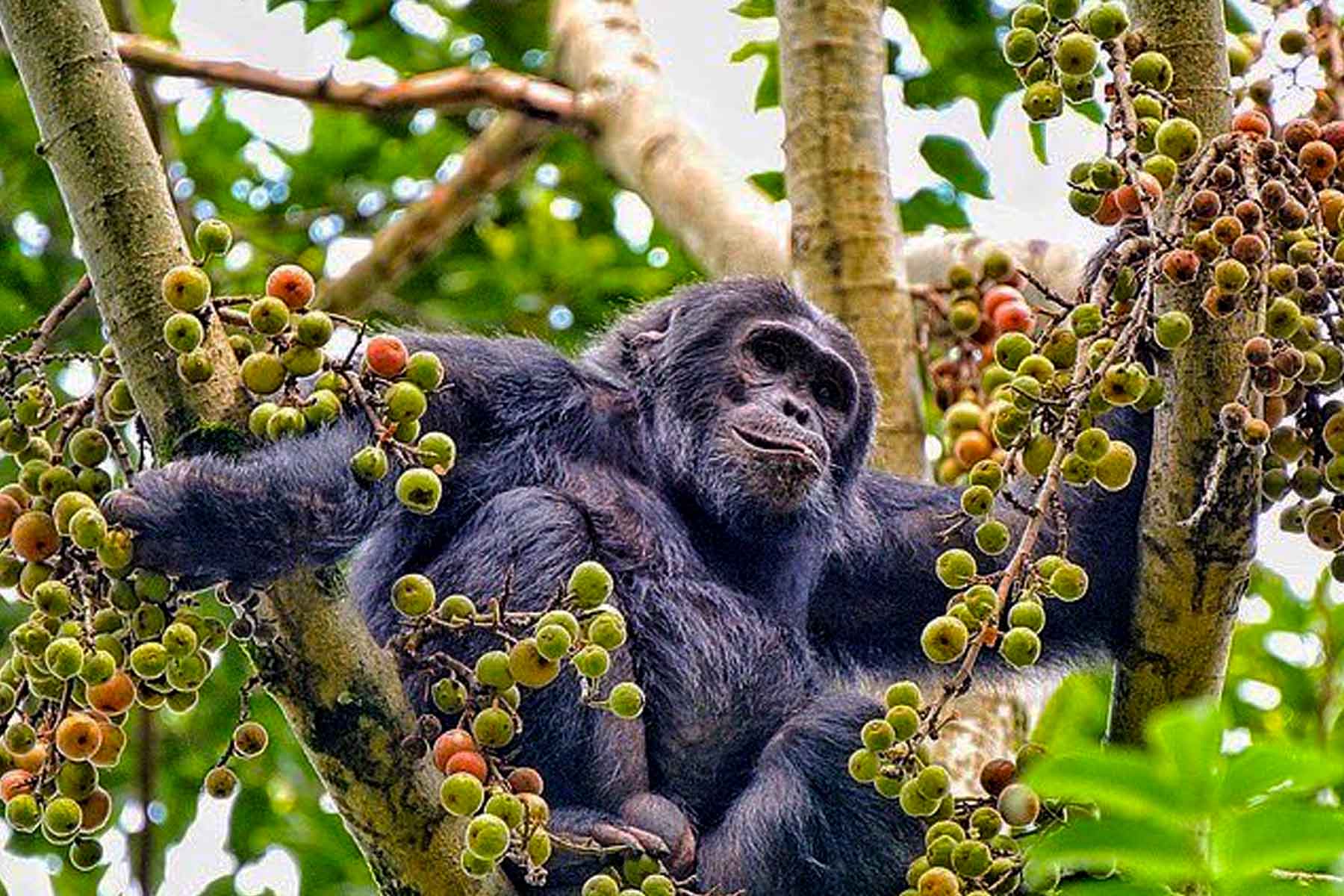
East Africa has become a global hotspot for primate tourism thanks to its rich biodiversity and well-protected forests. Chimpanzee trekking allows visitors to follow experienced guides through dense rainforest in search of wild chimpanzee communities. Once located, trekkers spend a limited amount of time observing the chimps as they feed, groom, communicate, and swing effortlessly through the trees. Both Nyungwe Forest and Kibale National Park offer exceptional opportunities to witness these fascinating behaviors, but the overall trekking conditions, accessibility, wildlife diversity, and visitor experiences vary considerably.
Nyungwe Forest National Park
Nyungwe Forest National Park, located in southwestern Rwanda, is one of Africa’s oldest montane rainforests and covers more than 1,000 square kilometers. The park is renowned for its lush vegetation, dramatic mountain scenery, waterfalls, and extensive network of hiking trails. Nyungwe is home to approximately 13 species of primates, including chimpanzees, black-and-white colobus monkeys, L’Hoest’s monkeys, and owl-faced monkeys. The forest’s high altitude, ranging from about 1,600 to 2,950 meters, creates a cool climate that supports incredible biodiversity and makes every trek feel like an immersive rainforest expedition.
Kibale National Park
Kibale National Park in western Uganda is widely regarded as the primate capital of East Africa. Covering around 795 square kilometers, the park protects one of the continent’s largest remaining tropical rainforests. Kibale boasts the highest concentration of primates in Africa, with over 1,500 chimpanzees and 13 different primate species. Its relatively flat terrain, extensive trail network, and high success rate for chimpanzee sightings have made it one of the world’s premier chimpanzee trekking destinations. The park’s diverse habitats, including forests, wetlands, and grasslands, further enhance the wildlife viewing experience.
Chimpanzee Population Comparison
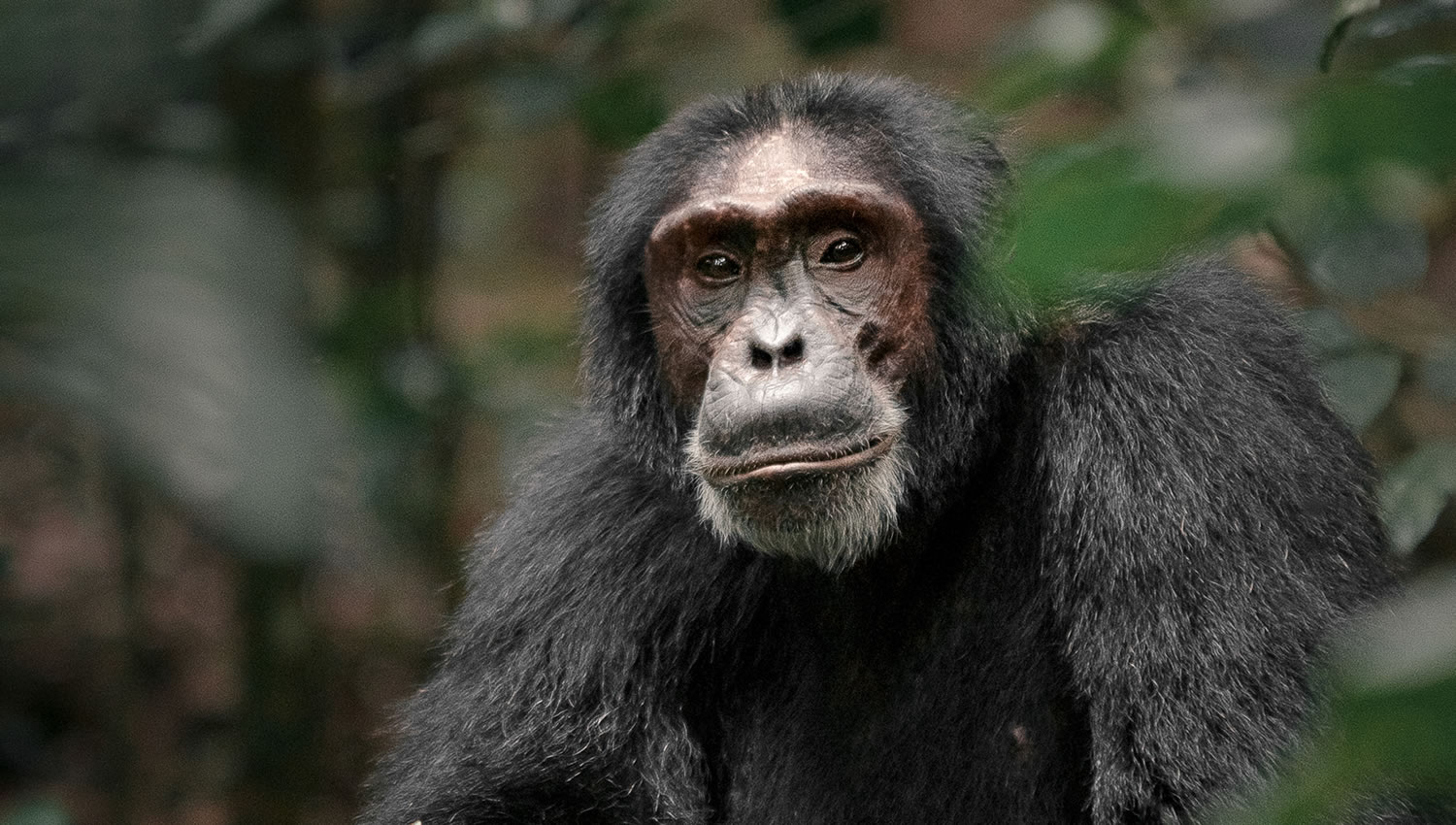
One of the biggest differences between Nyungwe Forest and Kibale National Park is the size of their chimpanzee populations. Kibale is estimated to have more than 1,500 chimpanzees, making it home to one of Africa’s largest populations. Several communities have been habituated for tourism and research, allowing visitors to observe chimpanzees at relatively close distances. Nyungwe Forest, on the other hand, has an estimated population of around 500 chimpanzees. While sightings remain rewarding, the larger forest and more mountainous terrain sometimes make locating the chimpanzees slightly more challenging compared to Kibale.
Trekking Experience and Difficulty
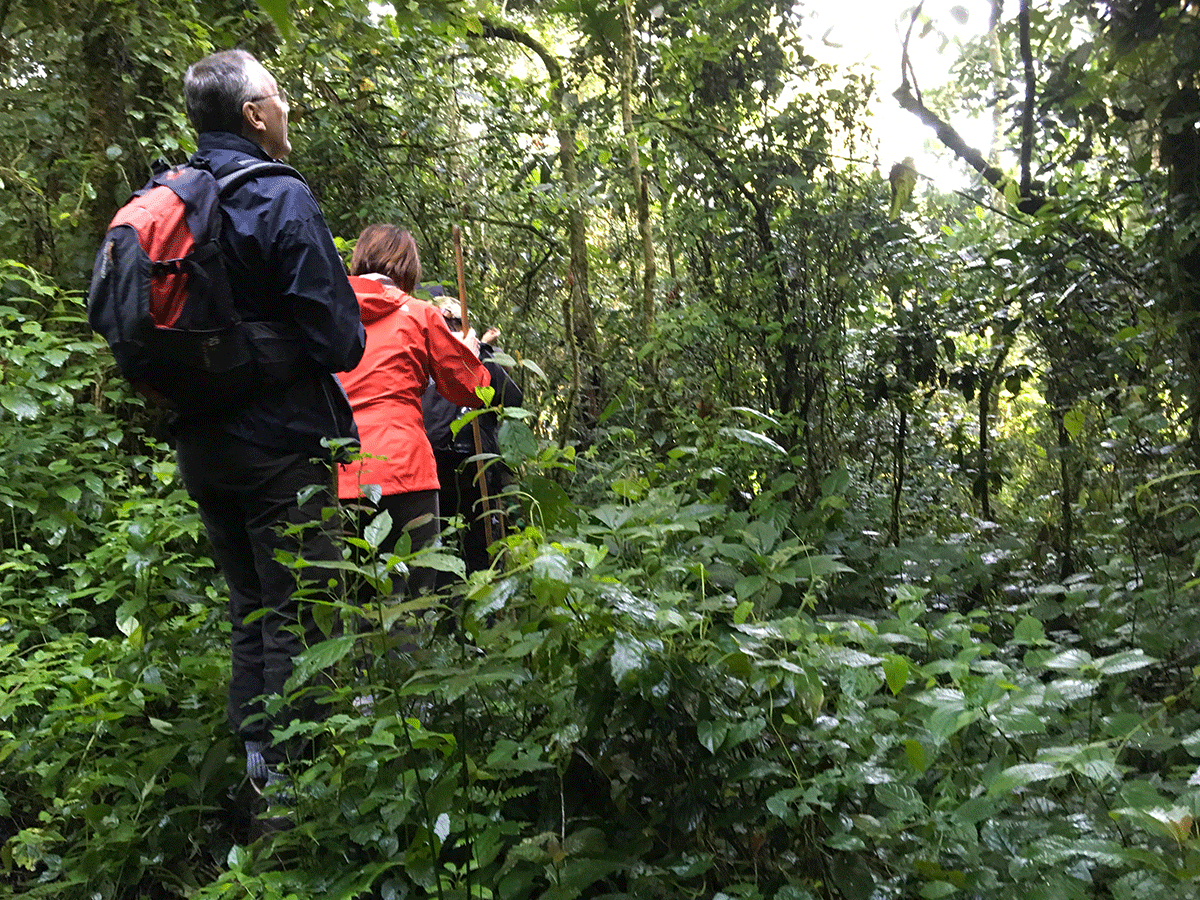
The trekking experience differs significantly between the two parks. Nyungwe Forest is characterized by steep hills, thick vegetation, and rugged mountain trails. Visitors often hike through dense rainforest, climb elevations, and navigate slippery terrain, particularly during the rainy season. This makes Nyungwe ideal for adventurous travelers seeking a physically demanding rainforest experience. Kibale National Park generally offers gentler terrain with well-established trails, making the trek easier for visitors of varying fitness levels. Although chimpanzees may still travel considerable distances, the hiking conditions are often less strenuous than those found in Nyungwe.
Chances of Seeing Chimpanzees
Success rates are an important consideration when planning a chimpanzee trek. Kibale National Park consistently records sighting success rates of over 90 percent due to its large habituated chimpanzee communities and experienced trackers who locate the animals before visitors begin trekking. Nyungwe Forest also enjoys impressive sighting rates, although they may fluctuate depending on the movement of chimpanzee groups and weather conditions. While sightings are not always guaranteed in either park, Kibale generally offers a slightly higher probability of successful encounters.
Forest Scenery and Natural Beauty
Nyungwe Forest is often praised for its spectacular mountain rainforest scenery. Thick mist, towering trees, hanging vines, colorful orchids, waterfalls, and panoramic viewpoints create an enchanting atmosphere unlike anywhere else in Africa. The park’s famous canopy walkway allows visitors to experience the rainforest from above while enjoying breathtaking views of the surrounding mountains. Kibale, meanwhile, offers classic tropical rainforest landscapes with giant hardwood trees, lush undergrowth, and rich biodiversity. While equally beautiful, Kibale’s scenery is generally flatter and less mountainous than Nyungwe’s dramatic terrain.
Wildlife Beyond Chimpanzees
Both parks are rich in wildlife, but their strengths differ slightly. Kibale National Park is famous for its extraordinary primate diversity, including red-tailed monkeys, blue monkeys, grey-cheeked mangabeys, black-and-white colobus monkeys, olive baboons, and vervet monkeys. It is also home to forest elephants, bush pigs, antelopes, and hundreds of bird species. Nyungwe Forest is equally impressive, supporting numerous primates alongside over 300 bird species, colorful butterflies, reptiles, and unique plant life. Visitors interested in birdwatching often rank Nyungwe among Africa’s finest birding destinations.
Birdwatching Opportunities
Bird enthusiasts will find both destinations rewarding, although Nyungwe Forest has a slight advantage for specialized birding. The park protects numerous Albertine Rift endemic bird species, attracting birdwatchers from around the world. Dense forests provide habitat for colorful turacos, sunbirds, hornbills, and many elusive forest birds rarely seen elsewhere. Kibale also offers excellent birdwatching, especially around Bigodi Wetland Sanctuary, where visitors may encounter the great blue turaco, papyrus gonolek, and numerous migratory species.
Accessibility and Travel Logistics
Accessibility can influence the choice between Nyungwe and Kibale. Nyungwe Forest is approximately a five to six-hour drive from Kigali, Rwanda’s capital city. Rwanda’s excellent road infrastructure makes the journey relatively smooth despite the mountainous terrain. Kibale National Park is usually reached from Kampala or Entebbe, requiring a drive of about five to six hours. Many visitors combine Kibale with other Ugandan safari destinations such as Queen Elizabeth National Park or Bwindi Impenetrable National Park, creating a diverse wildlife itinerary.
Accommodation Options
Accommodation near both parks caters to a wide range of budgets. Nyungwe Forest features luxury lodges with stunning forest views, comfortable mid-range hotels, and affordable guesthouses. Many properties emphasize eco-tourism and sustainability while providing excellent access to trekking starting points. Kibale National Park similarly offers luxury safari lodges, tented camps, forest cottages, and budget accommodations. Several lodges provide immersive rainforest settings where guests may observe monkeys and birds directly from their verandas.
Best Time for Chimpanzee Trekking
Chimpanzee trekking is available throughout the year in both destinations, but the dry seasons generally provide the best hiking conditions. In Nyungwe Forest, the drier months typically occur from June to September and December to February, making trails less slippery and more comfortable for trekking. Kibale National Park also experiences favorable trekking conditions during these periods, although its rainforest climate means occasional rainfall is possible year-round. Visitors should always prepare for changing weather regardless of the season.
Conservation and Sustainable Tourism
Both Nyungwe Forest and Kibale National Park play vital roles in protecting endangered chimpanzees and preserving critical rainforest ecosystems. Tourism revenue supports conservation programs, anti-poaching initiatives, scientific research, community development, and environmental education. Visitors contribute directly to these efforts by purchasing trekking permits and supporting locally owned accommodations and businesses. Responsible tourism helps ensure that future generations will continue to experience these remarkable forests and their incredible wildlife.
Photography Experience
Photography enthusiasts will enjoy unique opportunities in both parks, although each presents different challenges. Nyungwe’s dense canopy, misty atmosphere, and mountainous terrain create dramatic images filled with mood and depth. However, low light conditions often require fast lenses and higher ISO settings. Kibale’s relatively more open forest sometimes provides slightly better lighting, making it easier to capture clear photographs of active chimpanzees. In either destination, patience and respect for wildlife guidelines are essential for successful photography.
Combining Chimpanzee Trekking with Other Safari Experiences
Travelers often combine chimpanzee trekking with additional wildlife adventures. Visitors to Nyungwe Forest frequently continue to Volcanoes National Park for mountain gorilla trekking or explore Lake Kivu for relaxation and cultural experiences. Those visiting Kibale National Park often extend their journey to Queen Elizabeth National Park for game drives and boat safaris before continuing to Bwindi Impenetrable National Park for gorilla trekking. These combinations create comprehensive East African safari itineraries featuring both primates and classic African wildlife.
Cost Comparison
The overall cost of visiting Nyungwe Forest and Kibale National Park depends on permit prices, accommodation choices, transportation, and tour operators. Rwanda is generally considered a more premium safari destination with higher accommodation and travel costs, while Uganda often offers more budget-friendly options without compromising wildlife experiences. However, travelers should compare complete itinerary costs rather than permit prices alone, as transportation and lodging expenses can significantly influence the final budget.
Which Destination Is Better for First-Time Visitors?
For first-time chimpanzee trekkers, Kibale National Park often stands out due to its high chimpanzee population, easier hiking conditions, and consistently excellent sighting success. Visitors who want the highest likelihood of seeing chimpanzees with relatively moderate physical effort may find Kibale the more suitable choice. Nyungwe Forest, however, appeals strongly to travelers seeking a more adventurous rainforest expedition with dramatic mountain scenery, diverse hiking trails, and fewer crowds. The experience feels wilder and more remote, making it especially rewarding for nature lovers.
Nyungwe Forest vs Kibale
Ultimately, Choosing between Nyungwe Forest National Park and Kibale National Park ultimately depends on your travel preferences, fitness level, and safari goals. If your priority is maximizing the chances of seeing chimpanzees while enjoying easier trekking conditions and exceptional primate diversity, Kibale National Park is difficult to surpass. If you are drawn to breathtaking mountain rainforests, challenging hikes, scenic landscapes, and a more adventurous atmosphere, Nyungwe Forest delivers an unforgettable experience that extends beyond chimpanzee encounters alone.
Both destinations rank among Africa’s finest chimpanzee trekking locations and contribute significantly to conservation through responsible tourism. Whether you choose Rwanda’s ancient montane rainforest or Uganda’s celebrated primate paradise, you will experience an extraordinary encounter with one of humanity’s closest relatives while supporting the long-term protection of these remarkable ecosystems. With Unique Africa Ventures, You Explore Like Never Before!
For more Info, CONTACT US TODAY AND TALK WITH TOUR CONSULTANT:
Call or WhatsApp: +250 794 128 369
Related Posts