
Affordable Rwanda Safari Adventures Rwanda is one of Africa’s most rewarding destinations for travelers who…
Rwanda Big Five Safari vs Kenya Safari Experience
A safari in Africa is one of the world’s most unforgettable travel experiences, and two of the continent’s most celebrated destinations are Rwanda and Kenya. While both countries offer remarkable wildlife, breathtaking landscapes, and exceptional conservation efforts, the overall safari experience differs significantly. Travelers often compare Rwanda’s exclusive and intimate wildlife encounters with Kenya’s vast savannahs and classic African safari atmosphere. Choosing between the two depends on travel style, budget, wildlife interests, and the type of adventure a visitor hopes to enjoy. Understanding these differences helps travelers make informed decisions before planning their African journey.
Rwanda has become internationally recognized as one of Africa’s leading conservation destinations. Although it is a relatively small country, Rwanda offers an impressive diversity of ecosystems, ranging from volcanic mountains and tropical rainforests to wetlands and rolling grasslands. The country’s safari industry focuses heavily on sustainability, conservation, and high-quality tourism experiences. Rather than attracting enormous visitor numbers, Rwanda emphasizes low-impact tourism, allowing visitors to experience wildlife in a peaceful and less crowded environment. This strategy has contributed significantly to the protection of endangered species while generating revenue for local communities.
Kenya, by contrast, is often considered the birthplace of the traditional African safari. For decades, travelers from around the world have visited Kenya to witness its spectacular wildlife and endless golden plains. The country features some of Africa’s most famous national parks and game reserves, where visitors can encounter incredible concentrations of animals throughout the year. Kenya’s safari industry is highly developed, offering accommodation that ranges from luxury tented camps to affordable lodges. Because of its long safari history, Kenya has built a reputation for delivering classic game-viewing experiences that appeal to first-time visitors and seasoned wildlife enthusiasts alike.
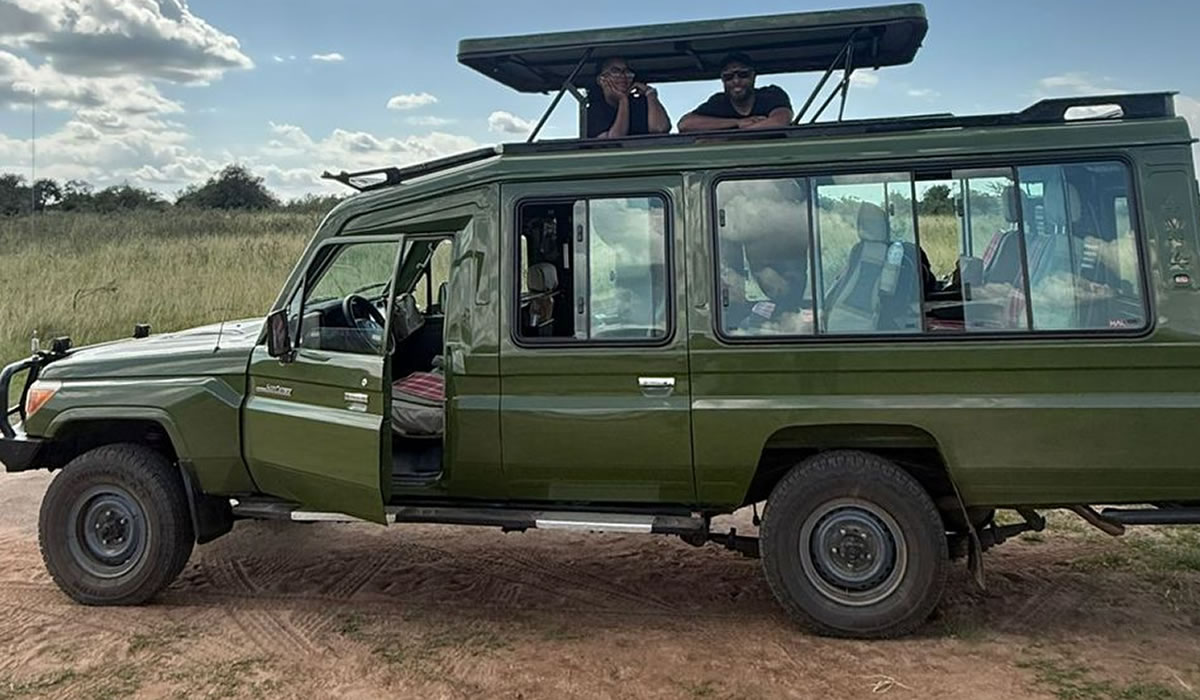
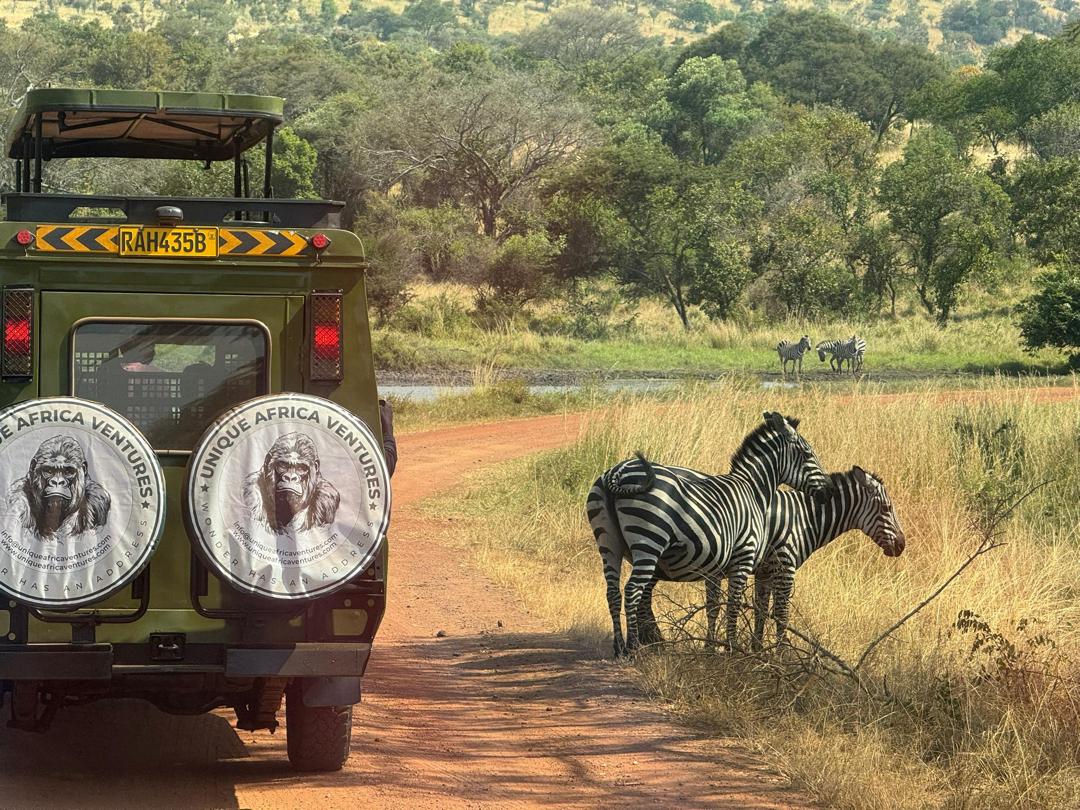
One of the biggest distinctions between Rwanda and Kenya is the environment in which wildlife viewing takes place. Rwanda’s national parks feature dense forests, bamboo-covered mountains, freshwater lakes, and lush vegetation. Wildlife sightings often involve guided walks, forest trekking, and slower-paced exploration that allows visitors to appreciate the country’s biodiversity beyond large mammals. Kenya, on the other hand, is famous for its expansive open savannahs where wildlife can often be seen from great distances. The open landscapes make it easier to spot predators, herbivores, and birds during traditional game drives conducted in safari vehicles.
When discussing the Big Five—lion, leopard, elephant, buffalo, and rhinoceros—both countries offer opportunities to see these iconic animals, but the experiences differ considerably. Rwanda’s Big Five are primarily found in Akagera National Park, which has undergone one of Africa’s most successful wildlife restoration projects. Lions and rhinos were reintroduced after years of absence, allowing the park to regain its Big Five status. Wildlife populations continue to grow through careful conservation management, making Akagera an increasingly popular safari destination.
Kenya offers numerous locations where visitors can search for the Big Five. Parks such as Maasai Mara National Reserve, Amboseli National Park, Tsavo East and Tsavo West National Parks, Lake Nakuru National Park, and Laikipia conservancies all provide outstanding opportunities to observe these animals in their natural habitats. Kenya’s larger protected areas support higher wildlife densities, increasing the likelihood of seeing multiple Big Five species during a single game drive. For travelers whose primary goal is classic wildlife photography, Kenya often provides more frequent and dramatic sightings.
One of Rwanda’s greatest strengths is the sense of exclusivity throughout the safari experience. Visitor numbers are intentionally limited in several protected areas to minimize environmental impact and reduce stress on wildlife. Many safari lodges are small and luxurious, offering personalized service, expert guides, and peaceful surroundings. Guests frequently enjoy private game drives and uncrowded wildlife encounters, creating an atmosphere that feels intimate and immersive. Travelers seeking tranquility often appreciate Rwanda’s quieter safari environment.
Kenya offers a broader range of safari experiences because of its larger tourism infrastructure. Visitors can choose luxury camps overlooking rivers, family-friendly lodges, mobile tented safaris, budget camping sites, or exclusive private conservancies. This diversity makes Kenya accessible to travelers with different budgets and travel preferences. While some famous parks become busy during peak migration season, Kenya also has many lesser-known conservancies where guests enjoy exclusive wildlife viewing with fewer vehicles and personalized guiding.
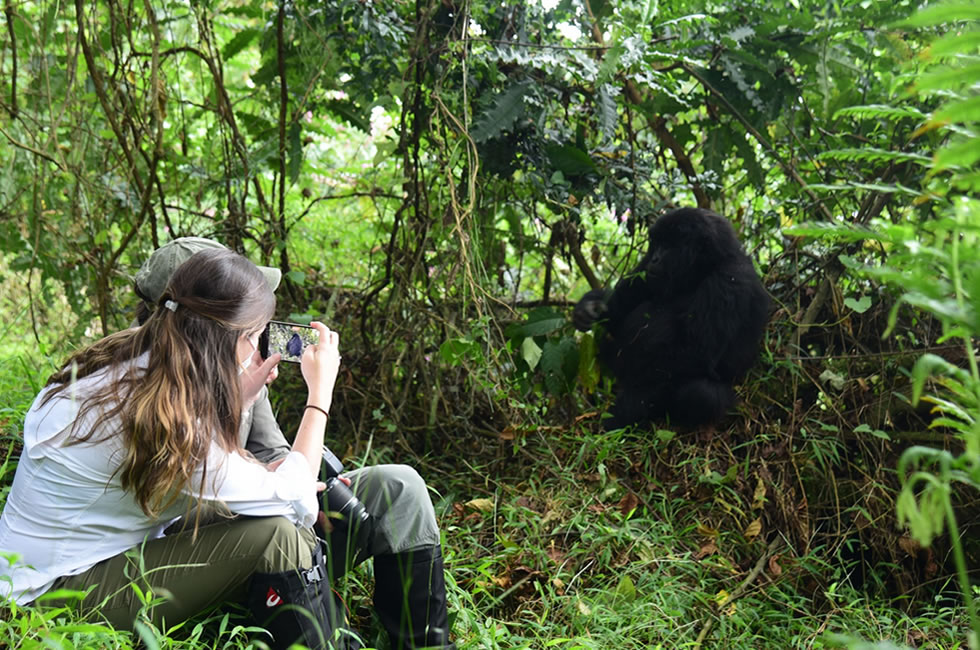
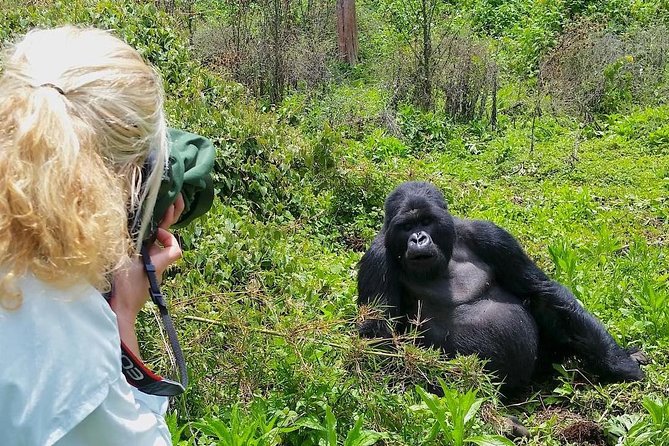
Another major difference lies in the diversity of wildlife experiences available beyond traditional safaris. Rwanda is globally renowned for mountain gorilla trekking in Volcanoes National Park. This once-in-a-lifetime activity allows visitors to spend a precious hour observing endangered mountain gorillas in their natural forest habitat after hiking through the lush volcanic slopes. In addition to gorillas, Rwanda also offers chimpanzee trekking, golden monkey tracking, birdwatching, canopy walks, and cultural tourism, making the country ideal for travelers interested in combining wildlife with rainforest adventures.
Kenya’s safari experiences extend beyond game drives as well, though they focus more heavily on open-land ecosystems. Visitors can enjoy hot air balloon safaris over the Maasai Mara at sunrise, guided walking safaris, horseback safaris in private conservancies, camel safaris in northern Kenya, boat excursions on lakes, and cultural visits to Maasai and Samburu communities. Kenya’s varied landscapes, including mountains, deserts, lakes, forests, and coastline, allow travelers to combine wildlife adventures with beach holidays along the Indian Ocean.
Photography opportunities vary considerably between the two countries. Rwanda’s forest environment creates unique photographic conditions with soft light filtering through dense vegetation. Capturing mountain gorillas, forest elephants, and primates requires patience and different camera techniques compared to photographing animals in open landscapes. Kenya’s wide plains, dramatic sunsets, large herds of animals, and predator interactions create ideal conditions for classic safari photography. Wildlife photographers often appreciate Kenya’s expansive visibility and spectacular natural lighting.
Birdwatchers will find both countries exceptionally rewarding. Rwanda hosts more than 700 recorded bird species despite its small geographical size. Wetlands, forests, and montane habitats provide homes for many Albertine Rift endemic birds that are difficult to find elsewhere. Kenya boasts over 1,100 bird species, making it one of Africa’s premier birdwatching destinations. Flamingos, raptors, waterbirds, and migratory species attract bird enthusiasts from around the world, particularly around the Rift Valley lakes and coastal ecosystems.
The pace of travel also differs between Rwanda and Kenya. Rwanda’s compact size allows visitors to travel between major attractions within relatively short driving times. It is possible to combine gorilla trekking, Big Five safaris, cultural visits, and lake excursions in a single itinerary without spending excessive time on the road. Kenya is significantly larger, meaning travel between parks often requires domestic flights or long scenic drives. While Kenya offers greater geographic diversity, transportation logistics can be more time-consuming.
Accommodation styles reflect each country’s tourism philosophy. Rwanda focuses heavily on luxury eco-lodges designed to blend harmoniously with the surrounding environment. Many properties emphasize sustainability through renewable energy, local employment, organic farming, and conservation partnerships. Kenya provides one of Africa’s widest accommodation selections, including luxury safari camps, boutique lodges, historic colonial properties, family resorts, self-catering facilities, and mobile camps that move with wildlife seasons. This variety enables visitors to customize their safari according to personal preferences and financial plans.
Conservation plays a central role in both countries, but their approaches highlight different priorities. Rwanda has earned international recognition for restoring wildlife populations, protecting endangered primates, and involving local communities in tourism benefits. Revenue from tourism directly supports conservation initiatives and community development projects, helping maintain long-term protection of wildlife habitats. Kenya likewise has an impressive conservation history, particularly through partnerships between government agencies, private conservancies, local communities, and conservation organizations working together to protect elephants, rhinos, lions, and other threatened species.
Cultural experiences further distinguish Rwanda and Kenya. Rwanda offers opportunities to learn about traditional music, dance, local crafts, coffee production, and the country’s remarkable journey of national rebuilding and reconciliation. Visitors often leave with a deep appreciation for Rwanda’s resilience, cleanliness, and hospitality. Kenya showcases the traditions of numerous ethnic communities, including the Maasai, Samburu, Turkana, and Swahili peoples. Cultural visits frequently include traditional ceremonies, handicrafts, storytelling, and opportunities to understand the close relationship between local communities and wildlife conservation.
Ultimately, choosing between a Rwanda Big Five safari and a Kenya safari experience depends on individual travel goals. Rwanda is an excellent choice for travelers seeking exclusive wildlife encounters, luxury eco-tourism, rainforest adventures, gorilla trekking, and peaceful safari experiences in a compact destination. Kenya is ideal for visitors dreaming of vast savannah landscapes, abundant wildlife, dramatic predator sightings, the Great Migration, diverse accommodation options, and the timeless atmosphere of a classic African safari. Both destinations provide extraordinary opportunities to connect with nature, support conservation, and create lifelong memories. Many experienced travelers eventually discover that Rwanda and Kenya are not competing destinations but complementary experiences, each offering a unique perspective on Africa’s incredible wildlife heritage. With Unique Africa Ventures, You Explore Like Never Before!
For more Info, CONTACT US TODAY AND TALK WITH TOUR CONSULTANT:
Call or WhatsApp: +250 794 128 369
Related Posts