
Affordable Rwanda Safari Adventures Rwanda is one of Africa’s most rewarding destinations for travelers who…
Akagera Safari During the Dry Season vs Green Season: A Complete Guide
Planning a safari in Akagera National Park is one of the most exciting travel decisions for anyone visiting Rwanda. The park offers incredible wildlife, breathtaking landscapes, and unforgettable game drives throughout the year. However, choosing between the dry season and the green season can greatly influence the type of safari experience you will enjoy. Each season brings unique advantages, different wildlife viewing opportunities, changing landscapes, and varying travel conditions. Understanding these differences allows travelers to choose the safari that best matches their interests, whether they prioritize seeing large mammals, birdwatching, photography, or simply enjoying Rwanda’s beautiful wilderness.
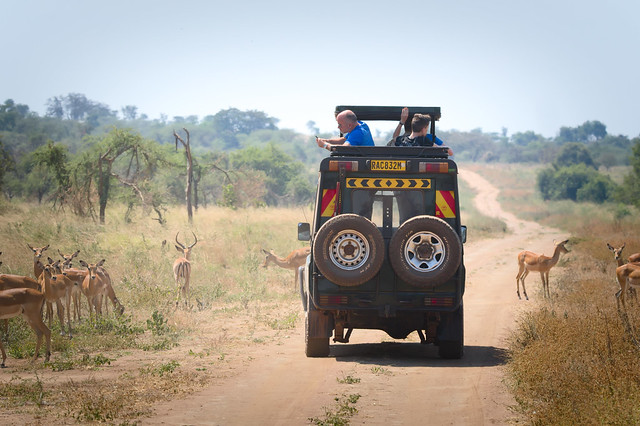
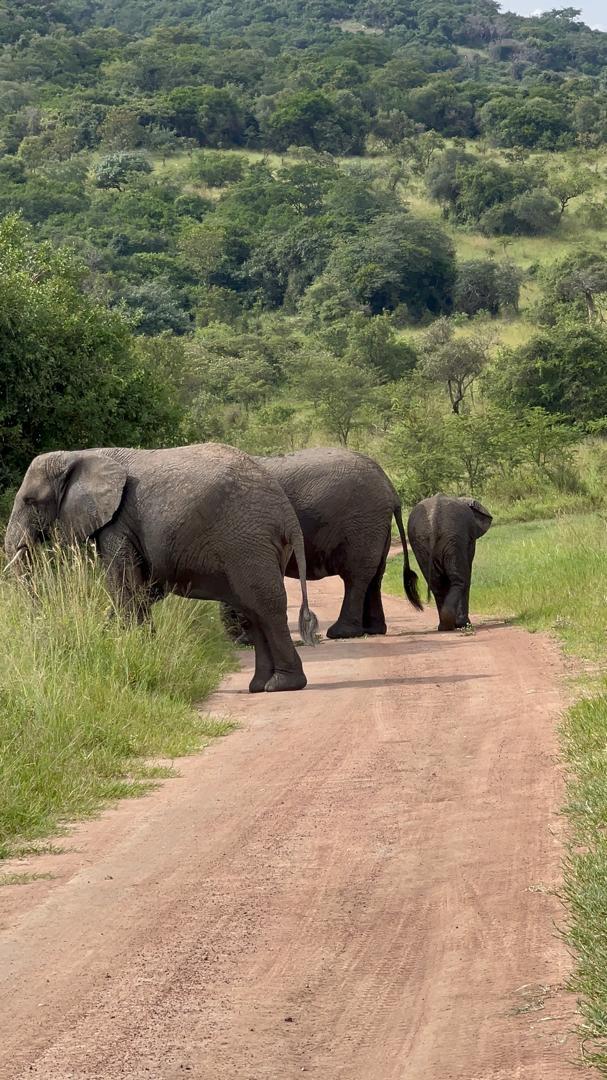
The dry season, which generally runs from June to September and again from December to February, is considered the most popular time for an Akagera safari. During these months, rainfall is minimal, temperatures remain pleasant, and vegetation becomes thinner as grasses dry out. These conditions make wildlife easier to spot because animals are less concealed by dense vegetation. Visitors often spend less time searching for wildlife and more time observing elephants, giraffes, buffaloes, zebras, antelopes, and many other species that gather around permanent water sources. Roads are also in better condition, making travel across the park smoother and allowing access to most safari circuits.
One of the greatest advantages of the dry season is the concentration of wildlife around lakes, rivers, and watering holes. As temporary water sources disappear, animals naturally move toward permanent water, increasing the chances of seeing multiple species within a relatively small area. Predators such as lions and leopards often follow these herbivores, creating exciting opportunities to witness natural hunting behavior or predator-prey interactions. Visitors who dream of seeing Rwanda’s famous Big Five usually appreciate the dry season because sightings become more predictable compared to wetter months.
Photography enthusiasts often favor the dry season because sunlight is more consistent throughout the day. Clear blue skies provide excellent lighting for landscape photography, while golden morning and evening light creates dramatic images of wildlife. Dusty roads and dry grasslands also contribute to the classic African safari atmosphere that many photographers seek. Although midday sunlight can sometimes be harsh, experienced photographers often schedule game drives during early mornings and late afternoons when lighting conditions are ideal for capturing animals in their natural habitats.
Accessibility is another major benefit during the dry season. Most roads remain firm and passable, allowing safari vehicles to explore both northern and southern sections of the park with fewer delays. Self-drive visitors also find navigation easier because muddy conditions are rare. Guided safaris generally operate according to schedule without significant interruptions caused by weather. Travelers with limited vacation time often appreciate this reliability, as they can maximize wildlife viewing instead of dealing with unexpected road closures or difficult driving conditions.
Despite its many advantages, the dry season also comes with a few challenges. Because it is considered the peak tourism period, accommodation inside and around Akagera National Park often experiences higher demand. Lodges, camps, and guided safari tours may sell out well in advance, especially during international holiday periods. Prices for accommodation and safari activities can also increase due to greater visitor numbers. Travelers planning a dry-season safari are therefore encouraged to make reservations several months before their intended travel dates to secure their preferred lodging and activities.
The green season, which generally occurs from March to May and October to November, offers an entirely different but equally rewarding safari experience. During these months, rainfall transforms Akagera into a lush paradise filled with vibrant green vegetation, blooming flowers, and refreshed wetlands. The landscape becomes remarkably scenic, creating a peaceful atmosphere that many visitors find even more beautiful than the dry season. Although occasional rain showers occur, they are often followed by sunshine, leaving behind clear air and stunning natural colors.
One of the greatest attractions of the green season is its exceptional scenery. Rolling hills become carpeted with fresh grass, trees regain their rich foliage, and wetlands flourish with aquatic plants. The contrast between blue lakes, green forests, and golden savannah creates spectacular panoramic views throughout the park. Nature lovers who appreciate landscapes as much as wildlife often describe the green season as the most visually stunning time to visit Akagera. The vibrant colors also provide photographers with unique opportunities to capture dramatic scenery that differs greatly from the dry-season environment.
Birdwatchers especially benefit from visiting during the green season. Akagera National Park is home to more than 500 bird species, and migratory birds arrive during the rainy months, increasing overall diversity. Wetlands become particularly active with storks, herons, kingfishers, fish eagles, and numerous waterbirds. Bright breeding plumage displayed by many species adds additional color and beauty. Serious bird photographers and ornithologists often consider the green season the best period for observing Rwanda’s remarkable birdlife.
The green season also coincides with the birth of many young animals. Antelopes, impalas, warthogs, and other herbivores often give birth after rains provide abundant grazing opportunities. These newborn animals create heartwarming wildlife encounters while simultaneously attracting predators searching for easier prey. Visitors may witness fascinating natural behaviors, including protective parenting, playful young animals exploring their surroundings, and dramatic predator activity. Such interactions provide memorable safari experiences that differ significantly from those seen during the dry months.
Wildlife viewing during the green season requires slightly more patience because dense vegetation provides additional hiding places for animals. Tall grasses and leafy trees sometimes reduce visibility, making it more challenging to locate certain species. However, experienced safari guides understand animal behavior and know where wildlife frequently travels, helping visitors enjoy rewarding sightings despite thicker vegetation. Many travelers find that the excitement of searching for wildlife adds an extra sense of adventure to each game drive.
Another advantage of traveling during the green season is the smaller number of tourists. Safari vehicles are less common, allowing visitors to enjoy peaceful game drives with fewer crowds at wildlife sightings. Popular viewpoints, picnic areas, and boat safaris also feel quieter and more relaxed. Travelers seeking solitude, privacy, and a closer connection with nature often prefer the green season because they can experience the park without the busier atmosphere associated with peak travel months.
The green season can also be more budget-friendly. Many lodges, safari operators, and accommodations offer lower rates outside the busiest tourism periods. These seasonal discounts make Akagera accessible to travelers looking for excellent wildlife experiences while managing travel costs. Visitors can often enjoy high-quality accommodation and guided safaris at significantly reduced prices compared to the peak dry season, making it an attractive option for families, students, and long-term travelers.
Road conditions deserve careful consideration when planning a green-season safari. Heavy rains occasionally make some unpaved roads muddy and more difficult to navigate, particularly after prolonged rainfall. Certain remote sections of the park may become temporarily inaccessible until roads dry out. Guided safari companies generally adapt their routes based on current conditions, ensuring visitor safety while still providing rewarding wildlife experiences. Travelers choosing the green season should remain flexible and prepare for occasional weather-related adjustments.
Ultimately, deciding between the dry season and the green season depends on your travel priorities. If your main goal is to maximize wildlife sightings, enjoy easier driving conditions, and increase your chances of seeing predators and the Big Five, the dry season is often the preferred choice. On the other hand, if you value lush landscapes, birdwatching, lower travel costs, fewer tourists, and beautiful scenery, the green season offers an equally memorable adventure with its own unique rewards.
Regardless of when you visit, Akagera National Park delivers an extraordinary safari experience that showcases Rwanda’s remarkable biodiversity and conservation success. The park’s combination of savannah, woodland, lakes, wetlands, and rolling hills creates diverse habitats supporting countless wildlife species throughout the year. Whether exploring under clear dry-season skies or surrounded by vibrant green landscapes after seasonal rains, every safari in Akagera offers opportunities to witness nature at its finest. Choosing the season that aligns with your interests will ensure a rewarding journey filled with unforgettable wildlife encounters, spectacular scenery, and lasting memories of one of Africa’s most remarkable national parks. With Unique Africa Ventures, You Explore Like Never Before!
For more Info, CONTACT US TODAY AND TALK WITH TOUR CONSULTANT:
Call or WhatsApp: +250 794 128 369
Related Posts