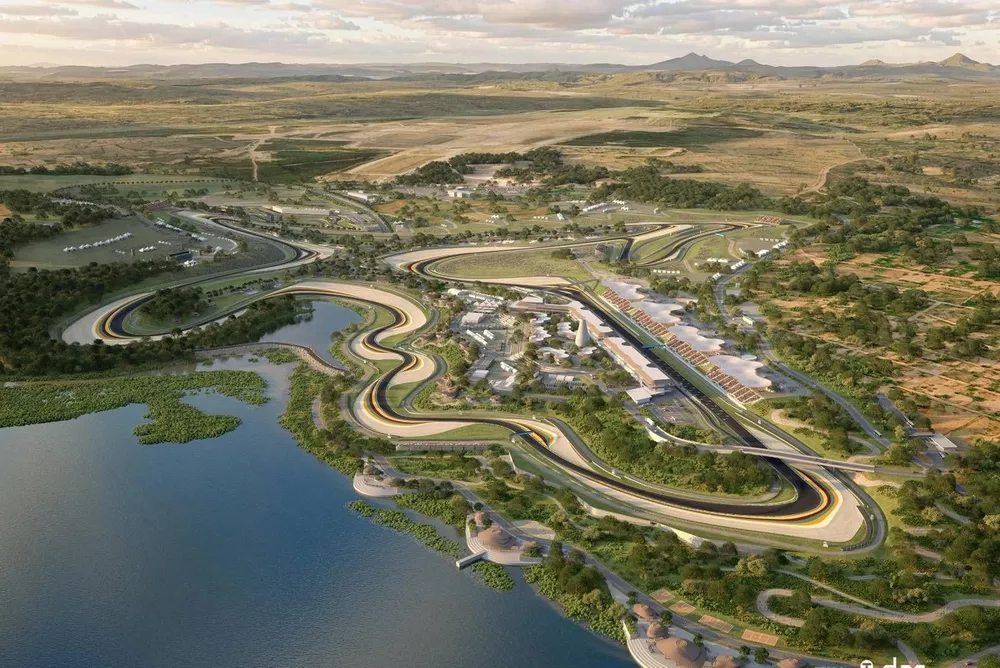

1. Formula 1 Rwanda 2030 – Discover the Future of African Motorsport and Luxury Tourism…
Rwanda Gorilla Safari Permits: Availability, Rules & Booking Tips
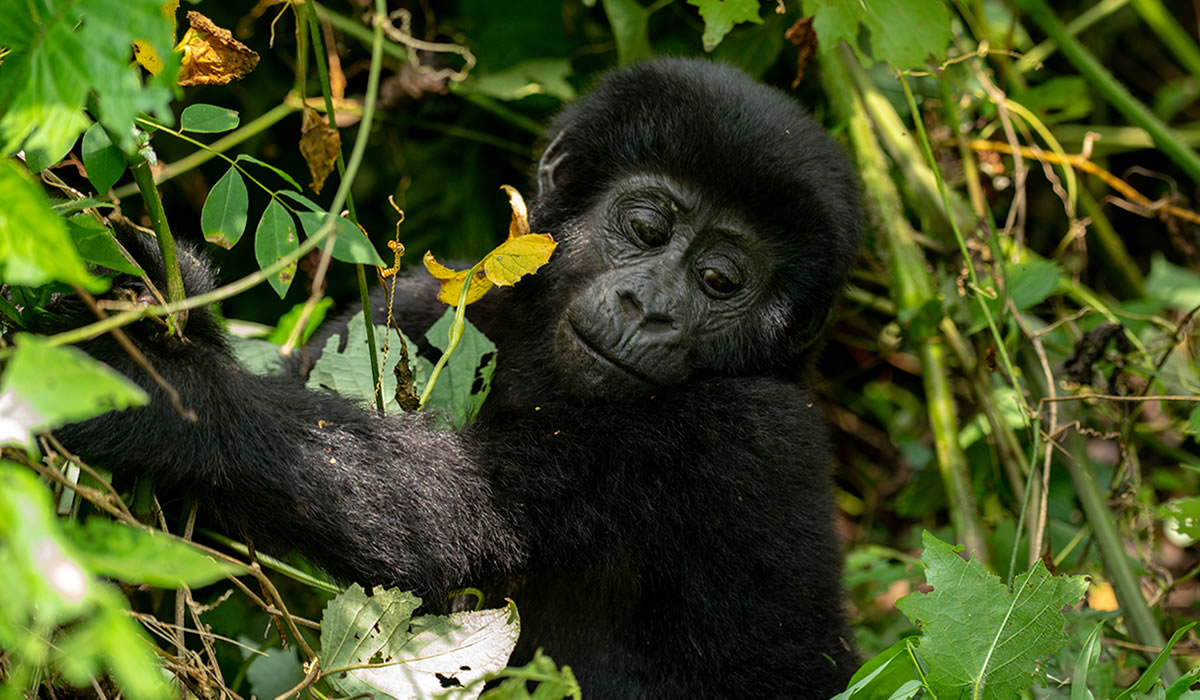
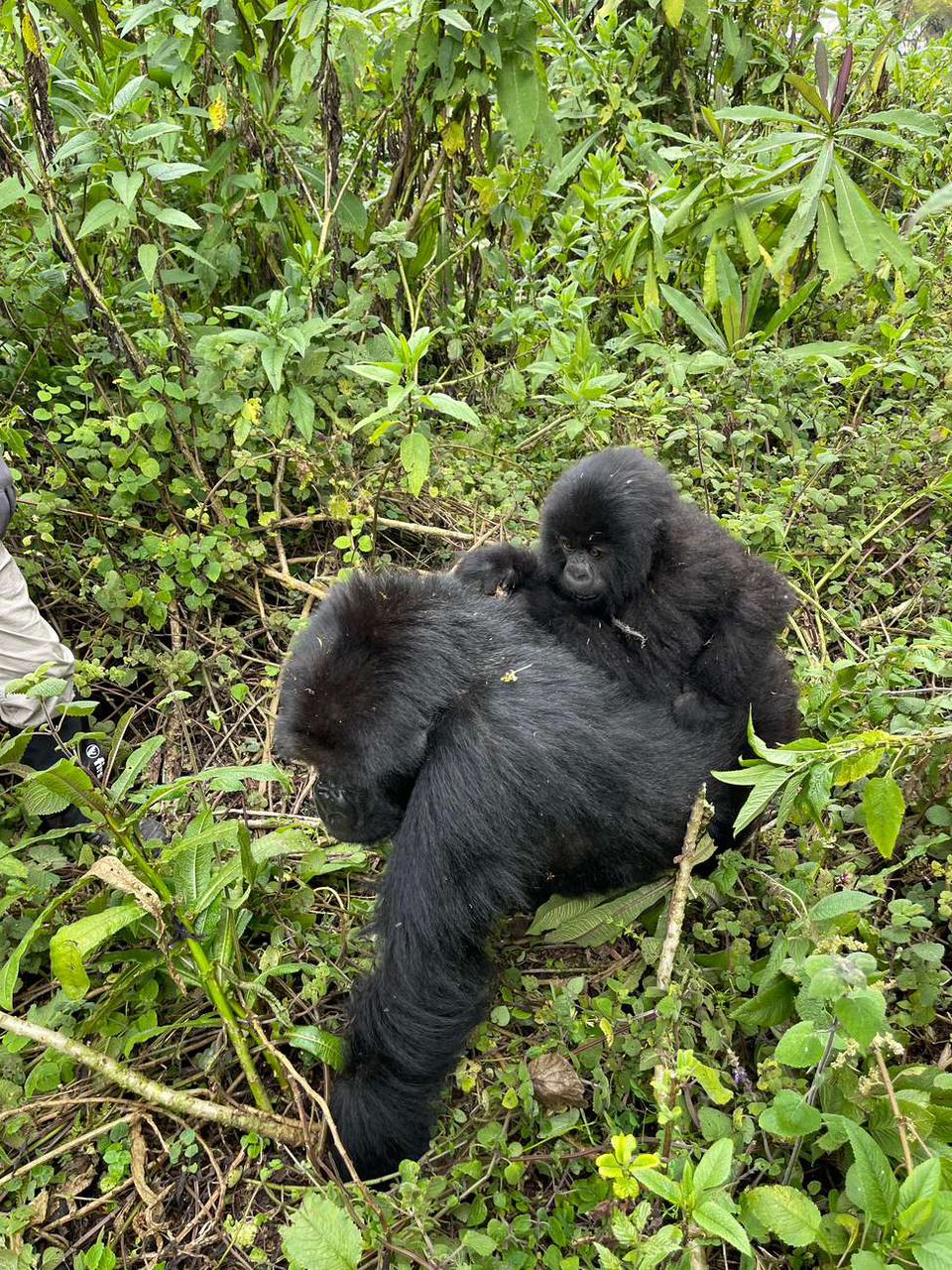
Planning a gorilla safari in Rwanda is one of the most extraordinary wildlife experiences in the world, but it revolves around securing a limited and highly regulated permit. Gorilla trekking takes place primarily in Volcanoes National Park, a protected rainforest that is home to endangered mountain gorillas. Because these animals are rare and closely monitored, the number of visitors allowed each day is strictly capped, making permits both essential and competitive to obtain.
The availability of Rwanda gorilla permits is one of the first things prospective travelers need to understand. Each habituated gorilla family can only be visited by a maximum of eight tourists per day, and only a limited number of families are open for trekking at any given time. This means that, even though tourism is well organized, the number of permits released daily is relatively small. During peak travel seasons—typically from June to September and December to February—permits can sell out several months in advance.
Rwanda’s gorilla trekking permits are issued and managed by the Rwanda Development Board (RDB). This body oversees conservation, tourism, and visitor management across national parks. All bookings, whether direct or through tour operators, ultimately go through the RDB system. Because of this centralized control, pricing and rules are standardized across all visitors regardless of how they book.
As of recent years, the cost of a gorilla permit in Rwanda has been set at a premium level compared to neighboring countries. The standard price is $1,500 per person for a single trek. While this may seem high, the fee contributes directly to conservation efforts, anti-poaching initiatives, and community development programs around the park. Rwanda has positioned itself as a high-end, low-impact destination to ensure sustainability.
Discounts and promotional offers are occasionally available, particularly during the low season or for specific categories such as African nationals or residents. Travelers should always verify current pricing through official channels or licensed operators, as policies can change. Even when discounts are offered, the demand for permits often remains strong due to the unique nature of the experience.
Booking a gorilla permit can be done in several ways. The most straightforward method is through a registered tour operator who handles the logistics, including accommodation, transport, and permits. Alternatively, travelers can book directly through the Rwanda Development Board. However, direct booking requires prompt payment and careful coordination of travel dates.
Timing is critical when booking. Experts recommend securing permits at least three to six months in advance for peak seasons. For travelers with flexible schedules, last-minute permits may sometimes be available during the rainy seasons, but this is not guaranteed. Waiting too long can result in missing out entirely, especially for popular dates.
The trekking rules are strict and designed to protect both gorillas and visitors. Participants must be at least 15 years old, and anyone showing signs of illness, particularly respiratory infections, may be denied entry to prevent disease transmission to the gorillas. These precautions are taken very seriously because gorillas share a high percentage of DNA with humans and are vulnerable to human diseases.
Group size is limited to eight people per gorilla family, and each visit lasts a maximum of one hour once the gorillas are located. This rule helps minimize stress on the animals and preserves their natural behavior. Rangers and guides enforce these limits strictly, ensuring that all visitors adhere to conservation guidelines.
Before the trek begins, visitors receive a briefing at the park headquarters. During this session, guides explain safety protocols, trekking etiquette, and what to expect. Treks can vary in difficulty, ranging from relatively easy hikes to more challenging climbs depending on the location of the gorilla family.
Physical fitness is an important consideration. The terrain in Volcanoes National Park can be steep, muddy, and densely vegetated. Hiring a porter is highly recommended, not only to assist with carrying gear but also to support the local community. Porters are experienced and can make the trek significantly easier.
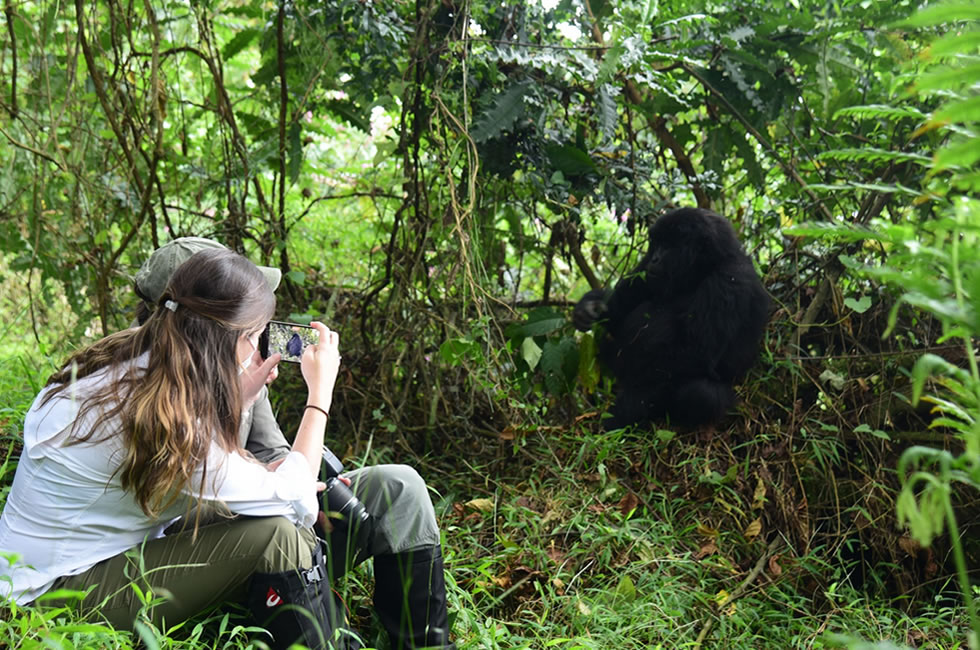
Photography is allowed, but there are specific rules to follow. Flash photography is strictly prohibited, as it can disturb the gorillas. Visitors are encouraged to maintain a minimum distance of about seven meters from the animals, although curious gorillas may sometimes come closer on their own.
Another key rule is maintaining silence and calm behavior during the encounter. Sudden movements, loud noises, or direct eye contact can be perceived as threats by gorillas. Guides will provide instructions on how to behave if a gorilla approaches, including avoiding panic and slowly backing away if necessary.
Health and hygiene protocols are also emphasized. Visitors may be required to wear masks when near gorillas, depending on current health guidelines. Hand sanitization before and after the trek is often encouraged or required as an additional precaution.
For those planning a safari, combining gorilla trekking with other experiences in Rwanda can enhance the trip. Akagera National Park offers classic savannah wildlife such as lions and elephants, while Nyungwe Forest National Park is for chimpanzee tracking and canopy walks.
Accommodation options near Volcanoes National Park range from luxury lodges to mid-range and budget stays. Popular high-end choices include Bisate Lodge and Sabyinyo Silverback Lodge, both offering stunning views and proximity to trekking starting points.
When planning your itinerary, it’s important to arrive in Rwanda at least a day before your scheduled trek. Most visitors travel from Kigali to the park, a journey of about 2–3 hours by road. Staying overnight near the park ensures you can attend the early morning briefing without stress.
Travel insurance is highly recommended for gorilla safaris. Policies should cover trip cancellations, medical emergencies, and evacuation if necessary. Given the cost of permits, having insurance provides peace of mind in case plans change unexpectedly.
In summary, Rwanda gorilla safari permits are the cornerstone of a once-in-a-lifetime wildlife experience. Their limited availability, strict rules, and premium pricing reflect the importance of conservation and sustainable tourism. By planning ahead, respecting guidelines, and booking through reliable channels, travelers can enjoy an unforgettable encounter with one of the world’s most remarkable species in their natural habitat. With Unique Africa Ventures, You Explore Like Never Before!
For more Info, CONTACT US TODAY AND TALK WITH TOUR CONSULTANT:
Call or WhatsApp: +250 794 128 369
Email: info@uniqueafricaventures.com
Related Posts