
Affordable Rwanda Safari Adventures Rwanda is one of Africa’s most rewarding destinations for travelers who…
Why Rwanda Is Africa’s Cleanest, Safest and Most Welcoming Destination
Rwanda has become one of the most admired destinations on the African continent because of its remarkable transformation over the last three decades. Often called the “Land of a Thousand Hills,” Rwanda combines breathtaking natural beauty with a reputation for cleanliness, safety, innovation, and hospitality that surprises many first-time visitors. Travelers arriving in Kigali immediately notice smooth roads, organized traffic, clean streets, and a calm atmosphere that stands out compared to many rapidly growing cities around the world. The country has invested heavily in infrastructure, environmental protection, tourism, healthcare, and public security, creating a destination that appeals to tourists, investors, students, and entrepreneurs alike. Rwanda’s progress is not accidental; it is the result of long-term planning, strong governance, and a collective national commitment to rebuilding and improving society after one of the darkest periods in modern history.
One of the biggest reasons Rwanda is considered Africa’s cleanest country is its strong environmental culture. Cleanliness in Rwanda is not simply encouraged; it is deeply integrated into national identity and daily life. The government banned non-biodegradable plastic bags years ago, making Rwanda one of the first countries in the world to take such bold environmental action. Visitors arriving at airports may even have plastic bags confiscated to protect the environment. Streets across Kigali and other towns are remarkably free from litter, and public spaces are carefully maintained. Citizens actively participate in keeping neighborhoods clean through a monthly community service initiative called Umuganda, where people gather to clean roads, plant trees, repair public infrastructure, and strengthen community bonds. This culture of responsibility creates a sense of pride among citizens and contributes significantly to Rwanda’s global reputation for cleanliness.
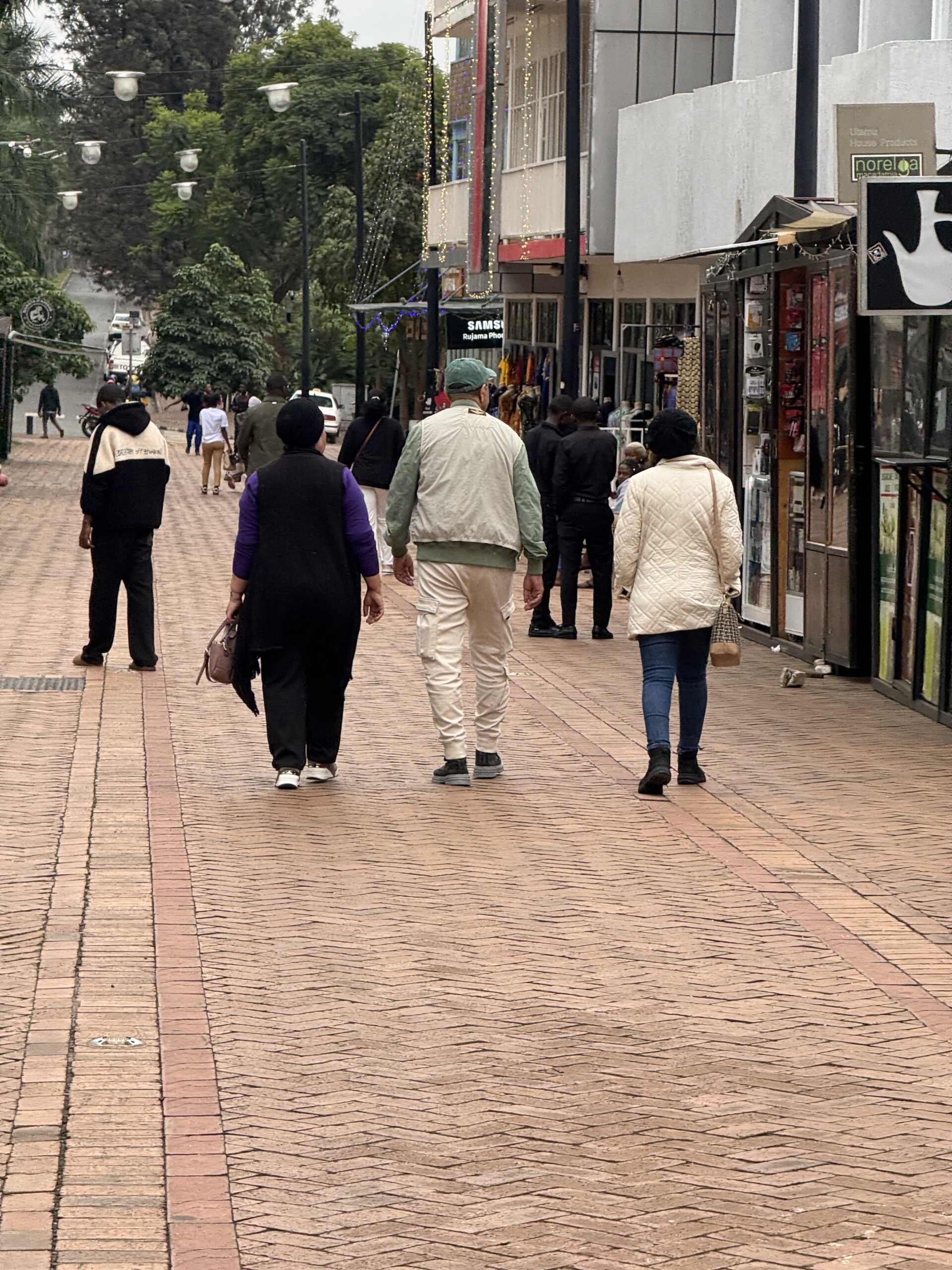
The capital city, Kigali, is frequently recognized as one of Africa’s cleanest and safest urban centers. The city is organized, modern, and easy to navigate, with well-maintained streets and visible urban planning. Green spaces, flower gardens, and tree-lined roads give Kigali a peaceful atmosphere that many visitors compare to cities in Europe or Asia. Unlike many overcrowded capitals, Kigali avoids excessive noise and congestion, making it comfortable for both residents and tourists. Public transportation is increasingly modernized, and motorcycle taxi operators are required to provide helmets to passengers, demonstrating attention to safety and regulation. Kigali’s growth reflects Rwanda’s ambition to become a regional hub for innovation, finance, conferences, and sustainable development.
Safety is another defining characteristic that makes Rwanda exceptional. Many travelers describe Rwanda as one of the safest countries not only in Africa but globally. Walking around Kigali at night often feels secure, and incidents involving violent crime against tourists are relatively uncommon compared to many destinations worldwide. Rwanda’s police force maintains strong visibility and community engagement, helping create an environment where residents and visitors feel protected. Women traveling alone frequently report feeling comfortable and respected in Rwanda, which is an important factor for international tourism. This reputation for safety has encouraged major international conferences, sporting events, and diplomatic meetings to take place in Kigali, further boosting the nation’s image on the world stage.
Rwanda’s welcoming nature is deeply connected to its culture and people. Rwandans are widely known for politeness, respect, and hospitality. Visitors often mention how locals are eager to help with directions, recommendations, or conversation. The nation places high value on dignity, unity, and reconciliation, and these values influence social interactions throughout the country. Even though Rwanda experienced the devastating Genocide against Tustis in1994, the country has worked tirelessly toward healing and rebuilding trust within communities. This commitment to reconciliation has shaped a society focused on peace and cooperation, creating a welcoming atmosphere that deeply impacts visitors.
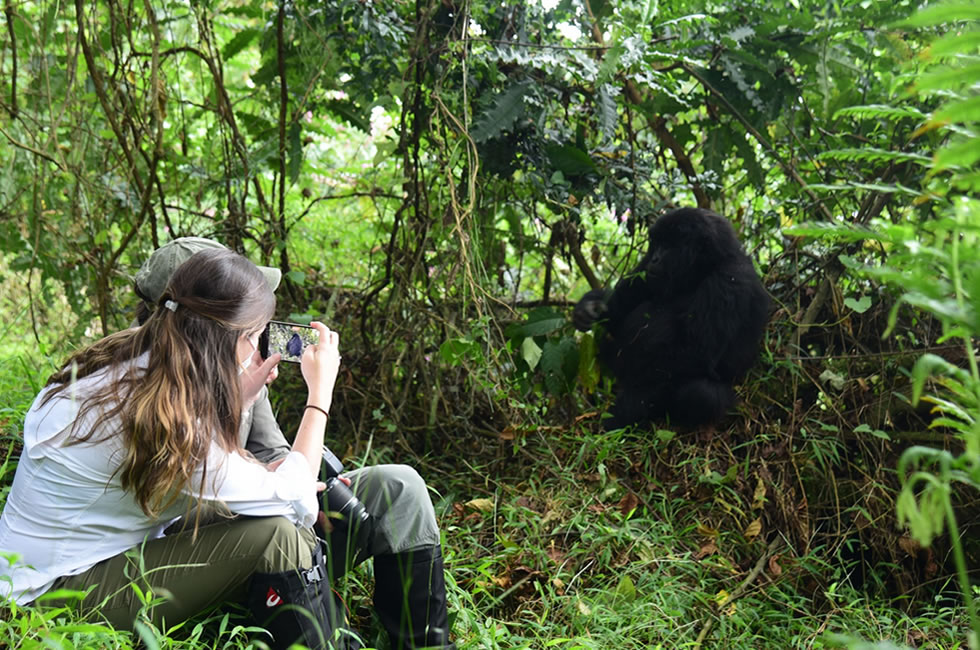
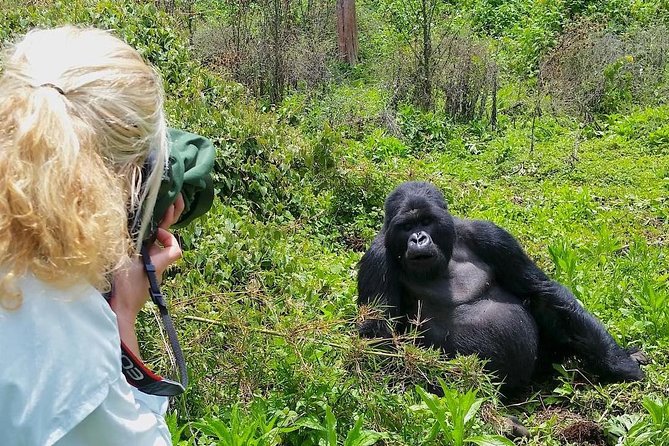
Tourism in Rwanda is centered around both luxury and sustainability. One of the country’s greatest attractions is Volcanoes National Park, home to the endangered mountain gorillas. Gorilla trekking is considered one of the world’s most extraordinary wildlife experiences. Tourists hike through misty forests with expert guides to observe gorilla families in their natural habitat. Rwanda has carefully managed gorilla tourism to ensure conservation while generating revenue for local communities and environmental protection. This sustainable tourism model has become an international example of how wildlife conservation can support economic development while protecting endangered species.
Another reason Rwanda stands out is its strong commitment to gender equality and social inclusion. Rwanda consistently ranks among the top countries in the world for female representation in parliament. Women play major roles in government, business, education, and community leadership. This inclusive approach contributes to social stability and economic progress. Visitors often notice women actively participating in all sectors of society, from entrepreneurship to public administration. Rwanda’s policies supporting equality and empowerment have strengthened its international reputation as a progressive and forward-looking nation.
Technology and innovation also contribute to Rwanda’s growing global influence. The country has invested heavily in digital transformation, internet connectivity, and smart city initiatives. Kigali has become a center for African tech conferences, startups, and innovation programs. Rwanda was among the first African countries to use drone technology for delivering medical supplies to remote areas, significantly improving healthcare access. This combination of technological ambition and practical problem-solving demonstrates how Rwanda is positioning itself as a leader in modern African development. Young entrepreneurs and international investors increasingly see Rwanda as a place of opportunity and innovation.
Healthcare improvements have also played an important role in Rwanda’s success story. The government introduced community-based health insurance systems that dramatically increased access to medical services for ordinary citizens. Hospitals and clinics have expanded across the country, and health indicators such as life expectancy and child mortality have improved significantly over the years. Rwanda’s response to public health challenges, including infectious diseases, has often been praised by international organizations. A healthier population contributes directly to economic growth, social stability, and overall quality of life, reinforcing Rwanda’s image as a well-managed and organized nation.
Education is another pillar of Rwanda’s transformation. The government has prioritized school enrollment, literacy, and access to higher education as key national goals. Universities and technical institutions are expanding, and English has become widely used in education and business, helping Rwanda integrate into regional and global markets. Young Rwandans increasingly participate in entrepreneurship, technology, and international exchange programs. Education is viewed not only as a tool for economic advancement but also as a foundation for national unity and long-term peacebuilding.
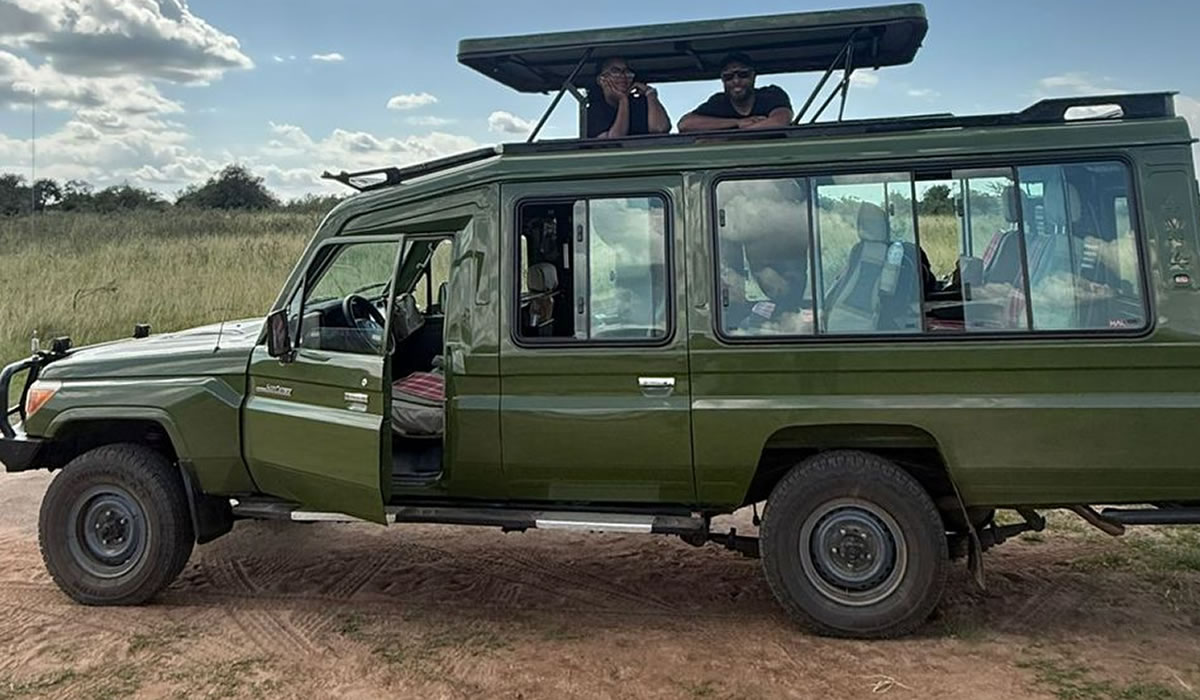
Rwanda’s natural beauty is one of its greatest treasures. Beyond gorilla trekking, the country offers stunning lakes, rolling hills, rainforests, and wildlife reserves. Nyungwe Forest National Park is famous for its ancient rainforest, canopy walk, and chimpanzee tracking experiences. Akagera National Park provides classic African safari experiences, including lions, elephants, giraffes, and hippos. Lake Kivu offers beautiful beaches and relaxing resorts along one of Africa’s Great Lakes. Rwanda’s compact size allows travelers to experience diverse landscapes within short travel distances, making tourism convenient and efficient.
Rwanda’s conference and business tourism sector has expanded rapidly in recent years. Facilities like the iconic Kigali Convention Centre symbolize the country’s ambitions to become a leading destination for international meetings and events. Major organizations regularly choose Kigali because of its security, cleanliness, reliable infrastructure, and strategic location in East Africa. Airlines increasingly connect Kigali to major global cities, improving accessibility for international visitors and investors. Business travelers often leave impressed by the efficiency and professionalism they encounter throughout the country.
The cultural identity of Rwanda is another reason many visitors feel deeply connected to the country. Traditional dance, music, storytelling, and craftsmanship remain important parts of national life. Cultural centers and community tourism programs allow travelers to learn about Rwandan traditions and history directly from local communities. At the same time, Rwanda balances cultural preservation with modernization, creating a unique blend of heritage and progress. This balance gives visitors an authentic experience while still offering modern comforts and infrastructure.
Rwanda’s leadership has consistently emphasized long-term vision and accountability. National development programs focus on sustainability, economic diversification, environmental protection, and human development. While international observers may debate aspects of Rwanda’s political system, there is broad recognition that the country has achieved remarkable economic and social progress in a relatively short time. Infrastructure projects, investment policies, and anti-corruption efforts have contributed to an environment where public services function more efficiently than in many developing nations. This organizational strength reinforces Rwanda’s image as a stable and dependable destination.
The country’s focus on sustainability extends beyond cleanliness. Rwanda promotes eco-tourism, renewable energy, conservation, and climate resilience. Tree-planting campaigns, wetland restoration projects, and wildlife conservation initiatives demonstrate Rwanda’s commitment to protecting its environment for future generations. Hotels and tourism operators increasingly adopt environmentally friendly practices, aligning with the country’s broader sustainability goals. Travelers who value responsible tourism often choose Rwanda because they see genuine national commitment to environmental stewardship rather than superficial marketing.
One of the most inspiring aspects of Rwanda is its resilience. The nation’s recovery from tragedy into a symbol of order, hope, and development has captured global attention. Rwanda’s journey illustrates how leadership, community participation, and long-term planning can transform a society. Visitors frequently describe feeling inspired after learning about Rwanda’s history and witnessing its progress firsthand. The country’s emphasis on unity, dignity, and national pride creates an atmosphere that leaves a lasting impression on many travelers.
Today, Rwanda continues to attract tourists, entrepreneurs, conservationists, students, and diplomats from around the world. It offers a rare combination of safety, cleanliness, hospitality, efficiency, and natural beauty that is difficult to find elsewhere. Whether someone visits for gorilla trekking, business conferences, cultural exploration, or simply to experience one of Africa’s most organized nations, Rwanda often exceeds expectations. Its reputation as Africa’s cleanest, safest, and most welcoming destination is built not only on government policies or tourism campaigns but also on the everyday behavior, resilience, and pride of its people. With Unique Africa Ventures, You Explore Like Never Before!
For more Info, CONTACT US TODAY AND TALK WITH TOUR CONSULTANT:
Call or WhatsApp: +250 794 128 369
Related Posts