
Rwanda Safari Experiences Beyond Wildlife: Discover the Soul of the Land of a Thousand Hills…
Nyungwe Forest National Park – Chimpanzees, Canopy Walk & Nature Trails
Nyungwe Forest National Park is one of Africa’s oldest and most biologically rich rainforests, stretching across the rolling mountains of southwestern Rwanda near the border with Burundi. Covering more than 1,000 square kilometers, the park protects a vast tropical ecosystem filled with ancient trees, mist-covered valleys, waterfalls, bamboo forests, and an incredible diversity of wildlife. Among the highlights for visitors are the Nyungwe National Park chimpanzees, canopy walk, and nature trails that make exploring the forest unforgettable. Nyungwe is often described as the “green heart” of Rwanda because of its ecological importance and breathtaking scenery. Visitors entering the forest immediately notice the cool mountain air, dense vegetation, and the sounds of birds and insects echoing through the canopy. Unlike traditional safari destinations focused mainly on large mammals, Nyungwe offers a deeply immersive rainforest experience where nature surrounds travelers at every step.
The forest is internationally recognized for its extraordinary biodiversity, making it one of the most important conservation areas in East and Central Africa. Scientists have recorded more than 1,000 plant species, hundreds of bird species, orchids, butterflies, reptiles, and dozens of mammals within the park. The ecosystem supports endangered species and serves as a crucial watershed feeding rivers that eventually flow into both the Congo Basin and the Nile River systems. The park’s high-altitude rainforest environment creates ideal conditions for rare flora and fauna to thrive. Massive mahogany trees tower above the forest floor while vines, mosses, and ferns create layers of greenery that make the landscape feel untouched and ancient.
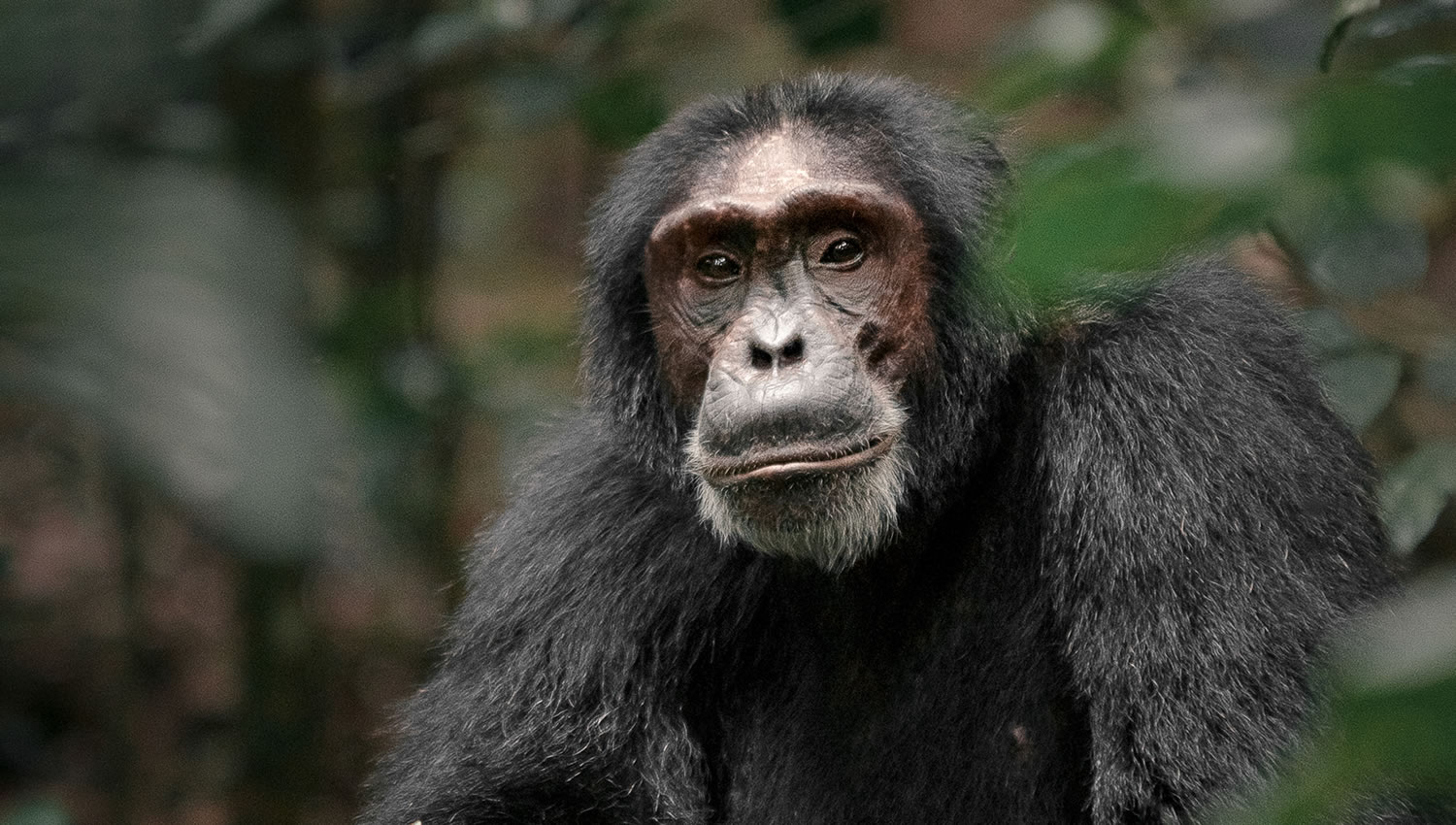
One of the greatest attractions in Nyungwe is chimpanzee trekking, an unforgettable wildlife experience that draws travellers from around the world. The park is home to one of Rwanda’s largest populations of wild chimpanzees, with several habituated groups monitored by expert guides and trackers. Treks begin very early in the morning before sunrise because chimpanzees are most active during the cooler hours of the day. Visitors hike through steep forest terrain, listening carefully for calls, screeches, and movement in the trees. The anticipation builds as guides follow clues such as broken branches, fruit remains, and vocalizations to locate the troop.
Encountering chimpanzees in their natural habitat is both thrilling and emotional. These intelligent primates move quickly through the trees, leap between branches, groom one another, and communicate with loud vocal calls that echo through the forest. Watching them interact reveals striking similarities to human behavior. Some individuals appear playful and curious while others remain cautious and observant. Young chimpanzees swing energetically from vines while mothers carry infants close to their bodies. The experience is physically demanding because the chimps move rapidly through dense terrain, but the reward is extraordinary. Many visitors describe the encounter as one of the most memorable wildlife experiences in Africa.
Apart from chimpanzees, Nyungwe is also famous for its rich primate diversity. The forest hosts thirteen primate species, including the striking black-and-white colobus monkeys, L’Hoest’s monkeys, vervet monkeys, owl-faced monkeys, and blue monkeys. One of the most spectacular experiences is the colobus monkey trek, where travellers may encounter enormous troops numbering in the hundreds. Seeing such large groups moving together through the treetops creates a dramatic scene rarely witnessed elsewhere in Africa. The monkeys’ long white fur contrasts beautifully against the dark forest background, making them especially photogenic.
The canopy walk is another iconic attraction that has made Nyungwe internationally famous. Suspended high above the forest floor, the bridge stretches between giant trees and offers panoramic views across the rainforest canopy. Walking on the suspended structure creates a mixture of excitement and awe, especially for visitors unaccustomed to heights. As the bridge gently sways, travellers can look down into the dense jungle below and observe birds, monkeys, and towering trees from a unique aerial perspective. The canopy walkway allows people to experience the rainforest from an entirely different angle, revealing the upper layers of the ecosystem that are normally hidden from view.
The views from the canopy walk are particularly stunning during the early morning when mist rises through the valleys and sunlight filters through the trees. Layers of green mountains extend into the distance, creating one of Rwanda’s most beautiful natural landscapes. Birdsong fills the air while cool breezes move through the treetops. Photographers often consider this location one of the finest scenic viewpoints in the country because of the dramatic lighting and endless forest horizons. The combination of height, silence, and natural beauty creates a peaceful yet exhilarating atmosphere.
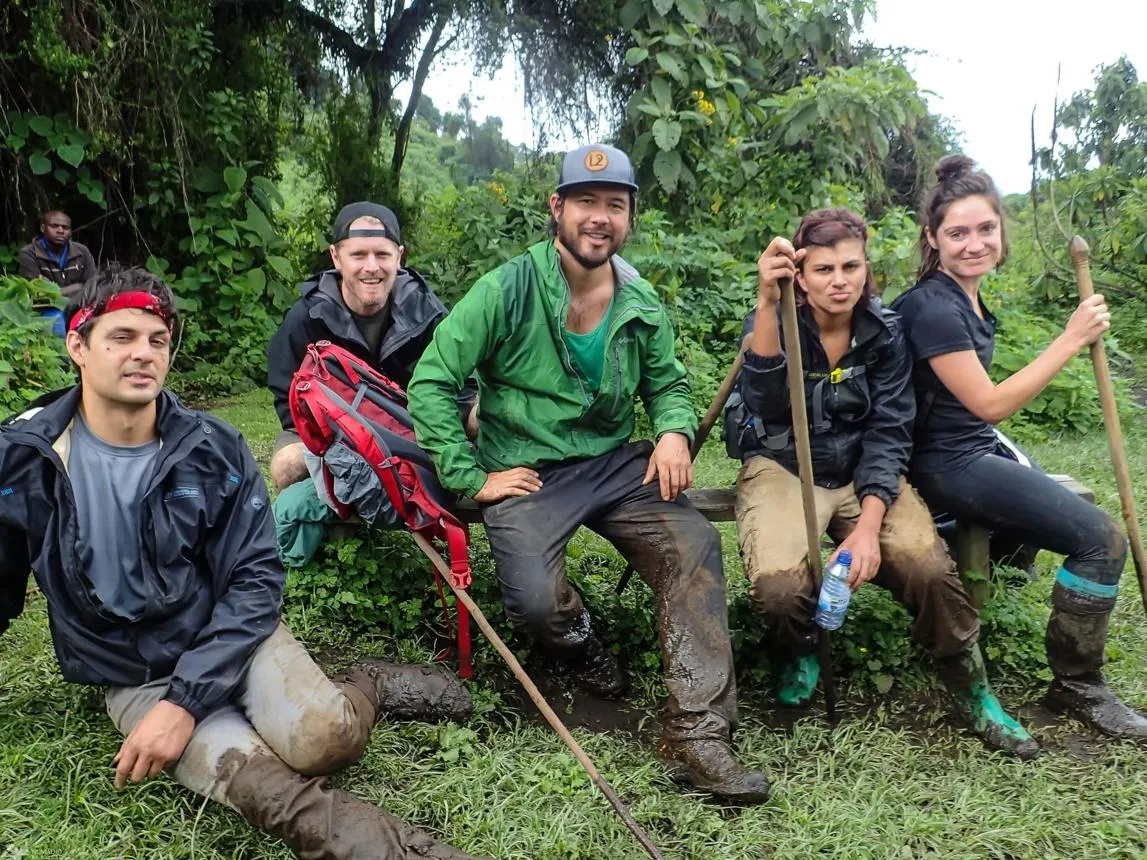
Nyungwe is also a paradise for hikers and nature lovers because of its extensive network of nature trails. The park contains more than 130 kilometers of well-maintained hiking paths that pass through tea plantations, waterfalls, swamps, ridges, bamboo forests, and dense jungle. Each trail offers a different experience depending on length, altitude, and scenery. Some walks are short and easy, suitable for casual travellers, while others require several hours of challenging trekking through mountainous terrain. The diversity of landscapes ensures that every hike feels unique and rewarding.
One of the most popular trails leads to the Isumo Waterfall, a beautiful cascade hidden deep within the rainforest. The hike passes through lush vegetation, streams, and sections of forest where monkeys and colorful birds are frequently spotted. As visitors approach the waterfall, the sound of rushing water grows louder until the dramatic cascade appears between rocks and tropical greenery. The cool mist and peaceful atmosphere make the site an ideal place to rest and appreciate the untouched beauty of the forest. Many travellers consider the Isumo trail one of the highlights of their visit because it combines wildlife, scenery, and adventure in a single journey.
Birdwatching in Nyungwe is considered world-class due to the park’s remarkable avian diversity. More than 300 bird species have been recorded, including numerous Albertine Rift endemics that are difficult to find elsewhere. Bird enthusiasts travel from across the globe to search for rare species such as the red-collared mountain babbler, Rwenzori turaco, and grauer’s swamp warbler. Guided birding walks begin at dawn when the forest becomes alive with calls and movement. The combination of dense rainforest habitat and high-altitude conditions supports a rich variety of colorful and unusual birds. Even casual visitors often find themselves captivated by the constant sounds and flashes of color overhead.
The park’s climate contributes significantly to its magical atmosphere. Nyungwe receives frequent rainfall throughout the year, maintaining the lush vegetation and cool temperatures that define the rainforest ecosystem. Morning fog often drifts through the valleys, creating a mysterious landscape where giant trees emerge slowly from the mist. Rain showers can appear suddenly, adding freshness to the air and intensifying the forest scents. Visitors are encouraged to wear waterproof clothing and sturdy hiking boots because the trails can become muddy and slippery. Despite the wet conditions, many travellers find the rainforest environment refreshing and invigorating.
Conservation plays a vital role in the management of Nyungwe Forest National Park. Over the years, Rwanda has invested heavily in protecting the forest from illegal logging, poaching, and habitat destruction. Conservation programs involve local communities, researchers, tourism operators, and international organizations working together to preserve biodiversity while creating sustainable economic opportunities. Eco-tourism revenue helps fund wildlife protection and community development projects, demonstrating how tourism can support environmental conservation. The success of Nyungwe’s management has become a model for sustainable tourism in Africa.
Local communities surrounding the park are deeply connected to the forest and contribute significantly to the visitor experience. Cultural tourism activities allow travellers to learn about traditional Rwandan lifestyles, music, dance, and medicinal plant knowledge. Community guides share stories about the forest’s spiritual importance and explain how local people historically depended on its resources. Visitors may also explore nearby tea plantations, where workers carefully harvest leaves across rolling green hills. These cultural experiences add depth to a trip to Nyungwe by connecting natural beauty with human history and tradition.
Tea plantations surrounding Nyungwe create some of Rwanda’s most picturesque landscapes. Vast green fields cover the hillsides, contrasting beautifully with the dark rainforest in the background. Travellers driving toward the park often stop to admire the scenery and photograph the winding roads that pass through the plantations. Some tea estates offer guided tours where visitors can observe tea processing and sample freshly produced Rwandan tea. The combination of agriculture and rainforest scenery creates a uniquely beautiful environment that distinguishes Nyungwe from other African national parks.
The rope course in Nyungwe Forest National Park is designed to challenge visitors physically and mentally while still being enjoyable for different age groups and skill levels. The course includes suspended bridges, climbing nets, rope swings, balance beams, and elevated walkways positioned among the trees. Participants are secured with professional safety harnesses and guided by trained instructors who ensure that every activity is completed safely. Many visitors describe the rope course as a perfect team-building and confidence-building adventure because it encourages concentration, coordination, and courage. The feeling of balancing high above the forest floor while surrounded by dense vegetation creates a sense of adventure that is difficult to find elsewhere in Rwanda. In addition to the physical challenge, the rope course also offers unique opportunities to observe the rainforest ecosystem from elevated viewpoints rarely seen during ordinary forest hikes.
The zipline and rope course activities also contribute significantly to tourism and conservation efforts in Nyungwe Forest National Park. Adventure tourism attracts both local and international visitors, generating income that supports the protection of the rainforest and nearby communities. The park itself is home to hundreds of bird species, orchids, butterflies, and primates, including chimpanzees and colobus monkeys, making it one of the most biologically important forests in Africa. By combining conservation with recreation, the adventure activities encourage visitors to appreciate the value of preserving natural environments. Many tourists who come for the adrenaline-filled experiences leave with a deeper understanding of the importance of rainforest conservation and sustainable tourism. The combination of ecological education, stunning scenery, and high-adventure activities makes the zipline and rope course in Nyungwe Forest National Park an exceptional destination for travelers seeking both excitement and connection with nature.
Adventure tourism in Nyungwe continues to grow as more travellers seek active outdoor experiences in Rwanda. In addition to chimpanzee trekking and canopy walks, visitors can enjoy guided hikes, camping, photography tours, birdwatching expeditions, and nature education programs. The park’s rugged terrain and rich biodiversity provide endless opportunities for exploration. Unlike crowded safari parks, Nyungwe often feels peaceful and secluded, allowing travellers to connect deeply with nature. The sense of discovery and wilderness makes every trail and wildlife encounter feel authentic and personal.
Accommodation options around Nyungwe range from luxury eco-lodges to budget-friendly guesthouses, allowing travelers with different budgets to experience the forest. Many lodges are designed to blend naturally into the environment, using wooden architecture and panoramic windows that overlook the rainforest. Guests frequently wake to the sounds of birds, insects, and distant monkey calls. Evenings are often cool and quiet, with mist settling over the hills as the forest becomes dark and mysterious. Staying near the park allows visitors to fully appreciate the atmosphere and tranquillity of the rainforest.
Nyungwe Forest National Park represents a different side of African tourism, one centered on rainforest exploration, biodiversity, and intimate encounters with nature rather than open savannah game drives. The park offers a rare opportunity to experience one of the continent’s oldest surviving rainforests while observing primates, birds, and unique ecosystems in their natural environment. Whether trekking to find chimpanzees, crossing the canopy bridge above the treetops, or hiking through misty forest trails, visitors leave Nyungwe with a profound appreciation for Rwanda’s natural heritage and the importance of protecting such extraordinary landscapes for future generations.
For more Info, CONTACT US TODAY AND TALK WITH TOUR CONSULTANT:
Call or WhatsApp: +250 794 128 369
Related Posts