
Unforgettable Rwanda and Uganda Safari Holidays Discover the incredible landscapes, wildlife, cultures, and unforgettable adventures…
Gorilla Trekking with Kids – Family Travel Guide
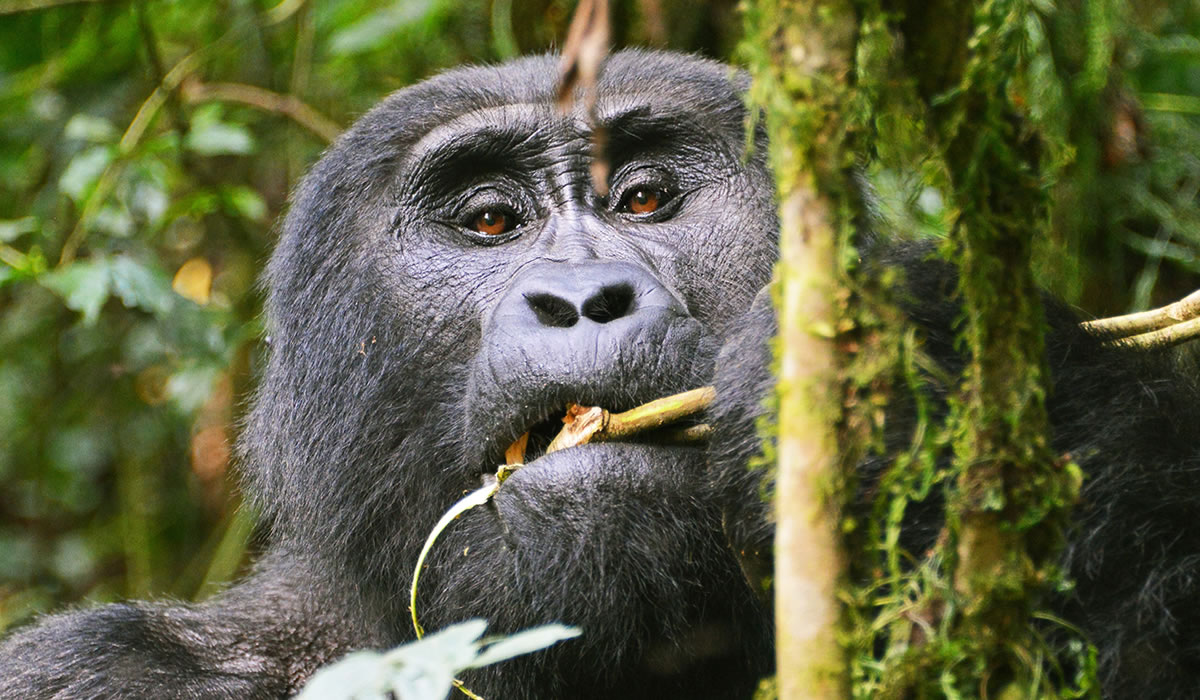
Gorilla trekking is often described as a once-in-a-lifetime wildlife experience, and bringing kids along can make it even more meaningful. Watching a family of mountain gorillas in their natural habitat has a way of reshaping how children see the world, nature, and conservation. However, it’s not a casual walk in the park—it requires preparation, realistic expectations, and thoughtful planning, especially when traveling as a family.
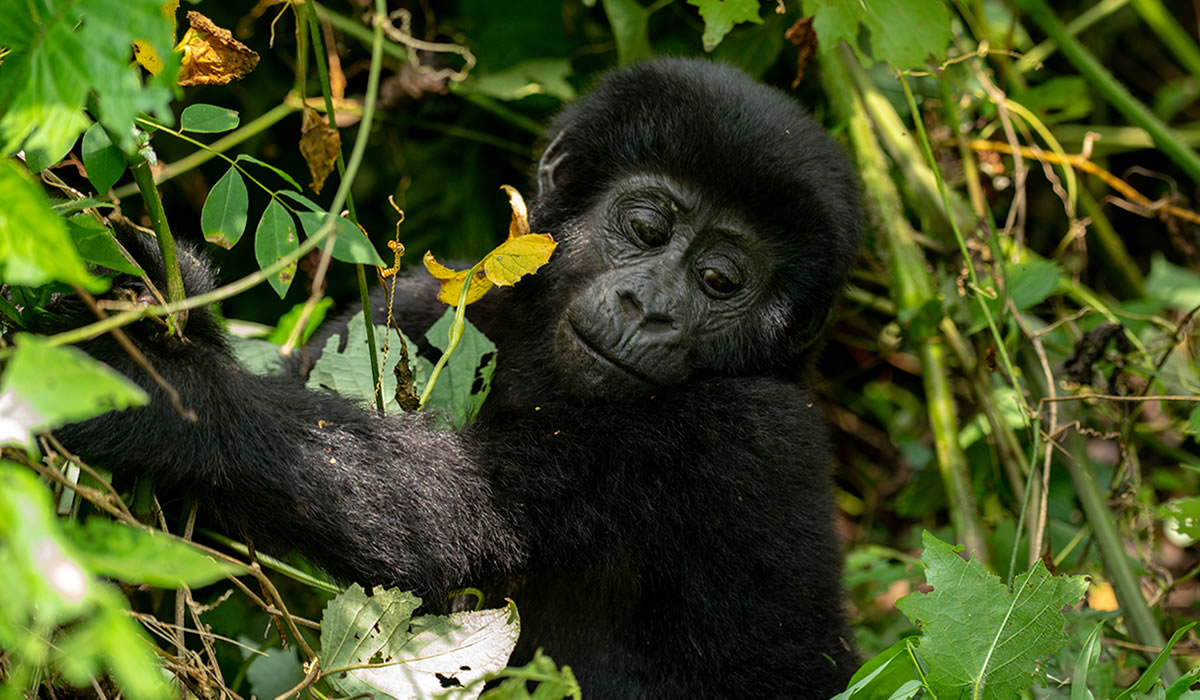
The first thing to understand is that gorilla trekking is tightly regulated to protect the endangered mountain gorillas found in regions like Volcanoes National Park, Bwindi Impenetrable National Park, and Mgahinga Gorilla National Park. These parks are among the only places in the world where you can see mountain gorillas in the wild. The experience involves hiking through dense forest, sometimes for several hours, before spending a limited time (usually one hour) observing a gorilla family.
One major consideration for families is the minimum age requirement. In Rwanda and Uganda, children must typically be at least 15 years old to participate in gorilla trekking. This rule is strictly enforced, primarily for safety and health reasons—gorillas are susceptible to human diseases, and younger children may struggle to follow strict behavioral guidelines. If your kids are younger, it’s important to plan alternative activities for them while adults trek.
For families with teenagers who meet the age requirement, the experience can be incredibly rewarding. Teenagers are often physically capable of handling the hike and mature enough to follow instructions from guides. The trek itself varies in difficulty; some gorilla families are located closer to trailheads, while others require longer, steeper hikes. Park authorities often try to assign easier routes to groups with older participants or those who request it.
Preparation is key when trekking with kids. Physical fitness matters more than people expect. Even shorter treks can involve muddy trails, steep slopes, and high humidity. It’s wise to prepare your children with regular walks or hikes before the trip. This not only builds stamina but also helps them understand what to expect from the terrain.
Packing the right gear can make or break the experience. Sturdy hiking boots, long-sleeved clothing, gloves for gripping vegetation, and waterproof jackets are essential. Kids may be more sensitive to discomfort, so ensuring they are well-equipped will keep morale high. Don’t forget snacks, water, and small rewards to keep energy levels up during longer hikes.
Hiring a porter is highly recommended, especially when trekking with children. Porters help carry bags and assist on difficult sections of the trail. Beyond convenience, this also supports local communities economically. Kids often appreciate the encouragement and assistance porters provide during challenging moments.
Another crucial aspect is managing expectations. Gorilla trekking is unpredictable. You might find a gorilla family within an hour, or it could take much longer. Children should be prepared for uncertainty and understand that the journey is part of the adventure. Framing it as an exploration rather than a guaranteed encounter can help maintain enthusiasm.
Safety briefings before the trek are taken very seriously. Rangers explain how to behave around gorillas—maintaining distance, avoiding sudden movements, and staying quiet. It’s important that children fully understand and respect these rules. Gorillas are generally calm, but they are still wild animals, and respectful behavior ensures a safe experience for everyone.
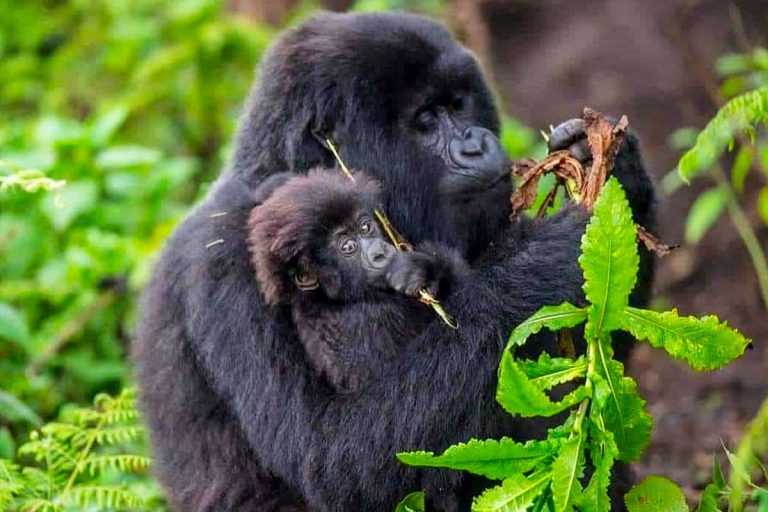
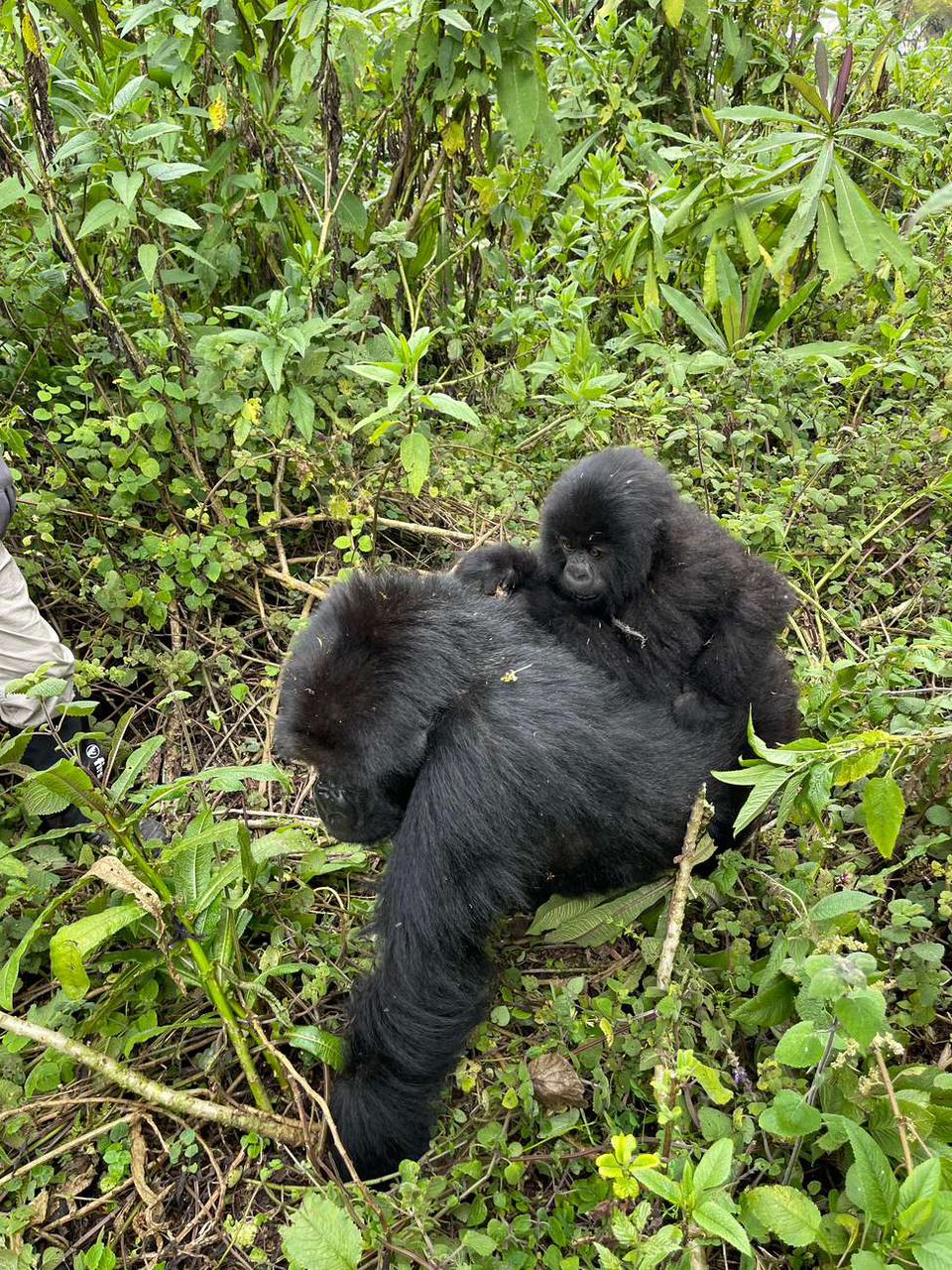
The moment you finally encounter a gorilla family is unforgettable. Observing their interactions—mothers caring for infants, juveniles playing, and the dominant silverback watching over the group—can be deeply moving. For children, this can spark a lifelong appreciation for wildlife and conservation efforts.
Photography is allowed, but without flash. Kids who enjoy photography may find this particularly exciting, but it’s worth reminding them to stay present and not focus solely on capturing images. The experience itself is far more powerful than any photo.
Aside from trekking, there are many family-friendly activities in the region. Near Volcanoes National Park, families can visit cultural villages, take nature walks, or explore nearby lakes. In Uganda, areas around Bwindi Impenetrable National Park offer birdwatching, community tours, and educational experiences that are suitable for younger children.
Accommodation options range from luxury lodges to more budget-friendly camps. Many lodges cater to families, offering larger rooms, flexible meal options, and guided activities. Choosing the right accommodation can make a big difference in keeping kids comfortable and engaged throughout the trip.
Health precautions are also important. Vaccinations, insect repellent, and proper hydration are essential when traveling in this region. Altitude can also affect some visitors, so it’s wise to allow time for acclimatization, especially for children.
Cost is another factor to consider. Gorilla trekking permits are expensive—especially in Rwanda—but the fees contribute directly to conservation and local communities. Explaining this to kids can help them understand the value of the experience beyond just tourism.
Timing your trip can influence your experience. Dry seasons are generally better for trekking because trails are less muddy and easier to navigate. However, gorilla sightings are possible year-round, and the forests are lush and beautiful even during rainy periods.
Cultural sensitivity is an important lesson for children traveling in these regions. Interacting respectfully with local communities, learning about traditions, and understanding conservation challenges can make the trip more meaningful and educational.
Finally, flexibility is essential when traveling with kids. Plans may change, weather can shift, and energy levels can vary. Building a relaxed itinerary with buffer days allows everyone to enjoy the journey without feeling rushed or overwhelmed.
In the end, gorilla trekking with kids—especially teenagers—is not just about seeing wildlife. It’s about shared challenges, discovery, and creating lasting memories in one of the most unique ecosystems on Earth. With the right preparation and mindset, it can become one of the most impactful family adventures you’ll ever take.
CONTACT US TODAY AND TALK WITH TOUR CONSULTANT:
Call or WhatsApp: +250 794 128 369
Related Posts