
Affordable Rwanda Safari Adventures Rwanda is one of Africa’s most rewarding destinations for travelers who…
First-Time Gorilla Trekking in Rwanda – What You Need to Know
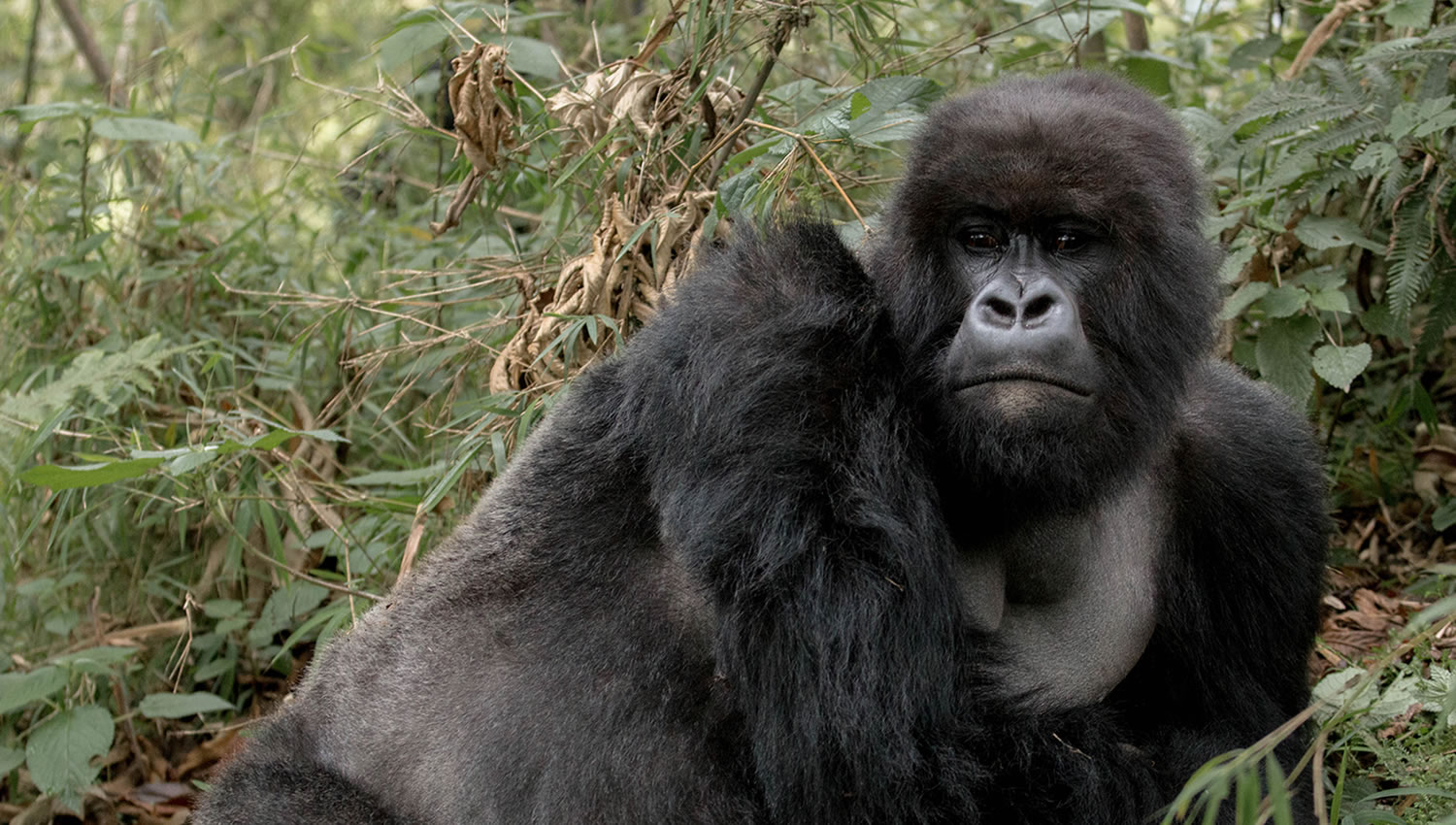
Gorilla trekking in Rwanda is one of the most powerful wildlife experiences you can have anywhere in the world. It takes place primarily in Volcanoes National Park, a misty, mountainous forest that forms part of the larger Virunga Conservation Area shared with neighboring countries. This park is home to endangered mountain gorillas, and Rwanda has built a reputation for offering one of the most accessible and well-managed trekking experiences.
Before you even arrive, the most important step is securing a gorilla trekking permit. These permits are issued by the Rwanda Development Board and are required for every visitor. They are limited in number to protect the gorillas and can sell out months in advance, especially during peak travel seasons. As of recent years, permits are relatively expensive, but the cost contributes directly to conservation and local community development.
Preparation is key because gorilla trekking is not a casual walk—it can be physically demanding. The terrain in Volcanoes National Park is steep, muddy, and often slippery due to frequent rain. Treks can last anywhere from one to several hours depending on the location of the gorilla family you are assigned to. Being reasonably fit will make the experience much more enjoyable and less exhausting.
On the day of your trek, you’ll start early in the morning with a briefing at the park headquarters. Here, you’ll be assigned to a gorilla family group and given guidelines on how to behave around the animals. Groups are small, typically no more than eight people, to minimize stress on the gorillas. Each group is led by experienced guides and trackers who are highly knowledgeable about gorilla behavior and the forest ecosystem.
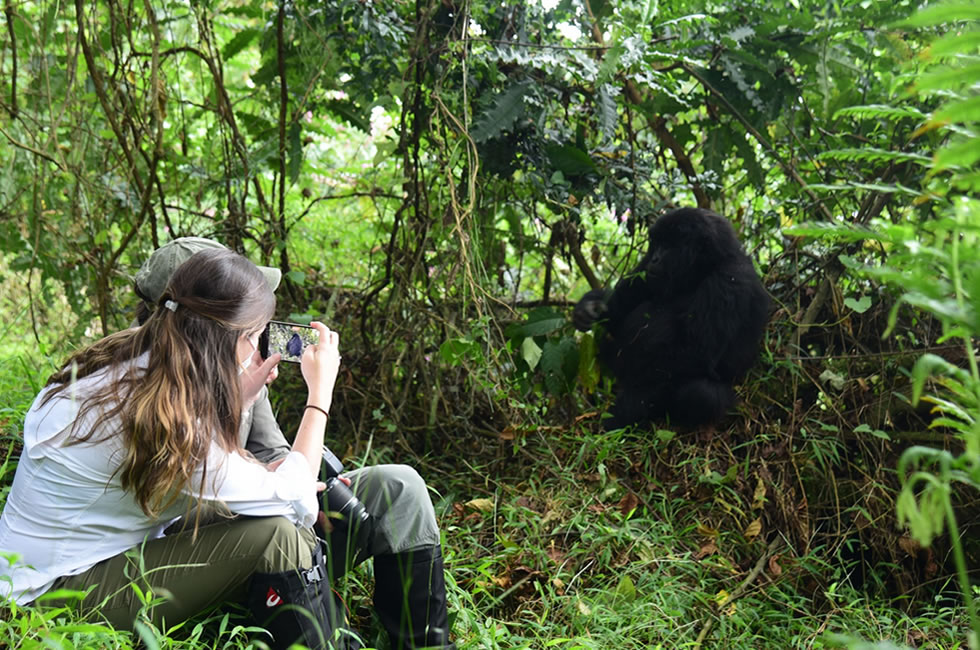
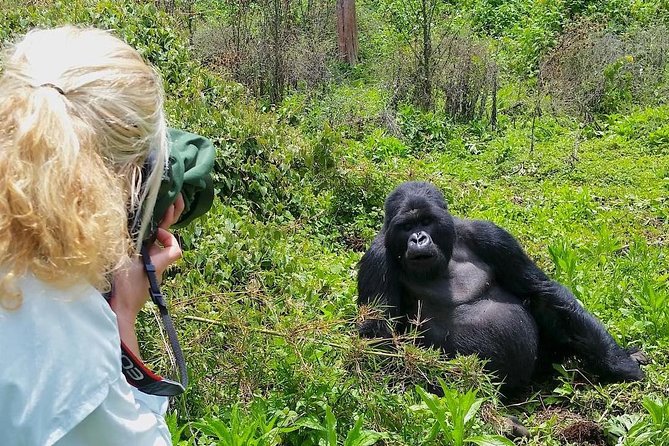
The moment you finally encounter a gorilla family is unforgettable. You are allowed to spend only one hour with them, but that hour feels incredibly rich. Watching them interact—feeding, grooming, playing—is both humbling and mesmerizing. You may find yourself just a few meters away from these gentle giants, observing their human-like expressions and social dynamics.
There are strict rules you must follow during the encounter to ensure the safety of both visitors and gorillas. You must keep a minimum distance (usually around 7 meters), avoid direct eye contact with dominant males, and never use flash photography. If you’re feeling unwell, especially with a respiratory illness, you may be asked not to participate to prevent disease transmission to the gorillas.
Packing the right gear can make a big difference. Essential items include sturdy hiking boots, long-sleeved clothing, waterproof jackets, gloves, and insect repellent. A walking stick is often provided and is extremely helpful on steep slopes. Many trekkers also hire local porters, which not only eases the physical burden but also supports the local economy.
The best time for gorilla trekking in Rwanda is during the dry seasons, typically from June to September and December to February. During these months, trails are less muddy and hiking conditions are easier. However, gorilla trekking is possible year-round, and the rainy seasons offer lush landscapes and fewer crowds, which some travellers prefer.
Beyond the trek itself, Rwanda offers a rich cultural and scenic experience. You can visit nearby communities, explore local markets, or learn about conservation efforts that involve former poachers now working as park staff. Kigali, the capital, is also worth exploring for its cleanliness, safety, and vibrant cultural scene.
Conservation is at the heart of gorilla trekking in Rwanda. The success of protecting mountain gorillas is one of Africa’s greatest conservation stories. Tourism revenue helps fund anti-poaching efforts, veterinary care, and habitat preservation. By participating in gorilla trekking, you are directly contributing to the survival of this endangered species.
It’s also worth noting that the gorillas you will see are habituated, meaning they are accustomed to human presence. This process takes years and is carefully managed by experts. Even so, these are still wild animals, and respecting their space and behavior is crucial for a safe and ethical experience.
Finally, manage your expectations and stay flexible. Nature is unpredictable, and every trek is different. Some are shorter and easier, while others may be longer and more challenging. Weather conditions can change quickly in the mountains, so patience and a positive attitude will go a long way in ensuring you enjoy every aspect of this once-in-a-lifetime adventure.
CONTACT US TODAY AND TALK WITH TOUR CONSULTANT:
Call or WhatsApp: +250 794 128 369
Related Posts