
Affordable Rwanda Safari Adventures Rwanda is one of Africa’s most rewarding destinations for travelers who…
Rwanda Gorilla Safari Travel Insurance: What You Need to Know
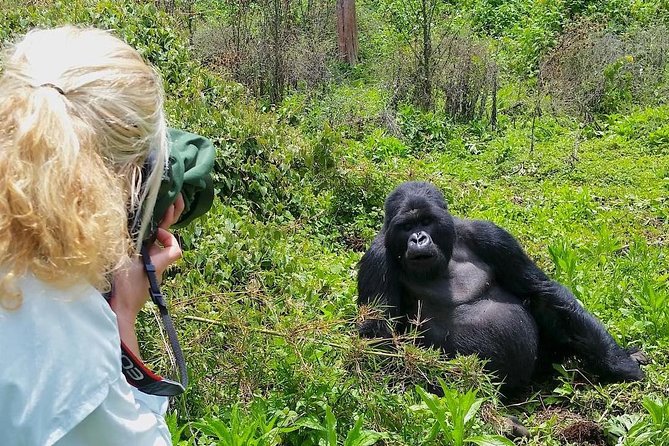
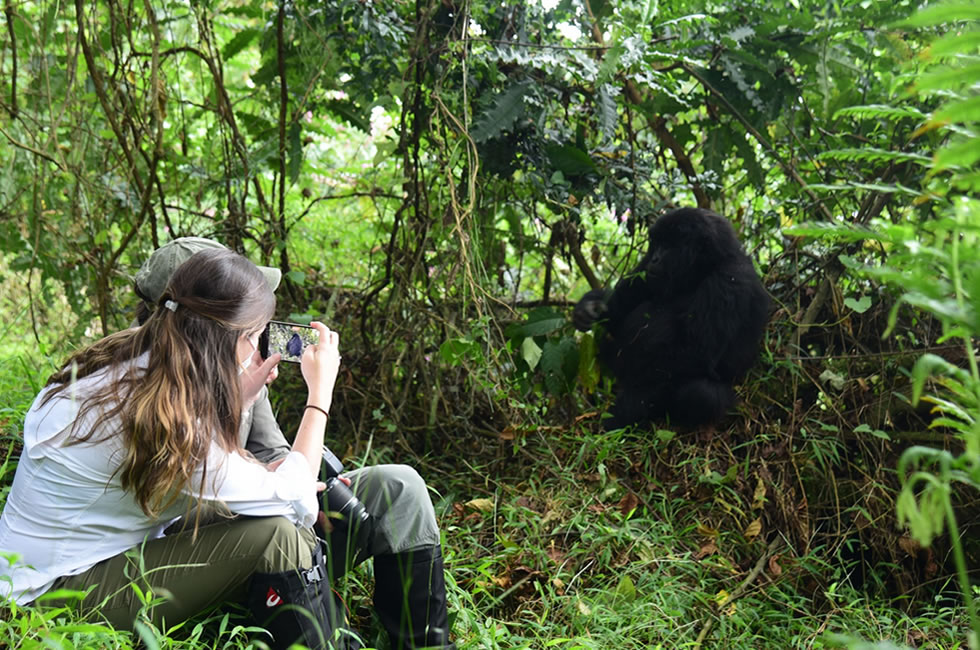
A gorilla safari in Rwanda is one of the most extraordinary wildlife experiences in the world. Trekking through the mist-covered forests of Volcanoes National Park to encounter endangered mountain gorillas at close range is often a once-in-a-lifetime adventure. Because of the significant investment involved in permits, accommodation, transportation, and international travel, having comprehensive travel insurance is not just recommended—it is an essential part of planning your trip. Many travelers spend months preparing for their safari, only to realize late in the process that unexpected events such as illness, flight disruptions, lost baggage, or trip cancellations can result in substantial financial losses without adequate coverage.
Travel insurance for a Rwanda gorilla safari differs somewhat from standard vacation insurance because the activities involved carry unique risks. Gorilla trekking takes place in mountainous terrain, often at high elevations and in challenging weather conditions. Trekkers may hike for several hours through muddy trails, dense vegetation, and steep slopes. While the activity is generally safe and guided by experienced rangers, accidents such as slips, sprains, dehydration, or altitude-related discomfort can occur. A suitable insurance policy should therefore include emergency medical treatment, evacuation coverage, and adventure activity protection where applicable.
One of the most important reasons to purchase travel insurance is the high cost of gorilla trekking permits. Rwanda’s gorilla permit is among the most expensive wildlife permits in Africa and represents a significant portion of the total safari budget. If a traveler becomes ill before departure, experiences a family emergency, or faces another unforeseen event that prevents travel, cancellation coverage may help recover non-refundable expenses. Travelers should carefully read policy terms to understand which cancellation reasons are covered and what documentation may be required for a claim.
Medical coverage is arguably the most critical component of any travel insurance policy for Rwanda. Although Rwanda has modern healthcare facilities in major cities such as Kigali, advanced medical treatment may still require specialized care or evacuation in serious situations. Medical expenses for international visitors can become expensive, particularly when emergency transportation is needed. A strong policy should provide sufficient medical expense limits and include emergency evacuation and repatriation benefits. These protections can be invaluable if an injury or serious illness occurs during a safari.
Emergency evacuation coverage deserves special attention because gorilla trekking occurs in remote forest environments. While park authorities maintain excellent safety standards, accessing medical facilities from trekking routes may take time. In rare circumstances, travelers may require transportation by specialized vehicle or air ambulance. The costs associated with medical evacuation can reach thousands of dollars, making this coverage one of the most important safeguards for safari travelers. Before purchasing a policy, travelers should verify evacuation limits and understand how assistance services operate in Rwanda.
Trip interruption coverage is another valuable feature for gorilla safari travelers. Unexpected events can occur even after a trip has begun. Severe illness, natural disasters, political disturbances, or urgent family emergencies may force travelers to cut their journey short. Trip interruption benefits may reimburse unused prepaid expenses and additional transportation costs associated with returning home earlier than planned. Considering the substantial expense of safari accommodations and organized tours, this protection can provide significant financial security.
Flight delays and missed connections are common travel concerns, especially for international visitors traveling through multiple airports. Many travelers reach Rwanda via connecting flights in major hubs across Africa, Europe, or the Middle East. A delay in one segment can create a chain reaction affecting safari schedules, hotel reservations, and permit dates. Travel insurance with delay and missed connection coverage may help cover accommodation, meals, transportation, and rebooking costs. This benefit is particularly useful for travelers on tight itineraries.
Lost, stolen, or delayed baggage can also disrupt a safari experience. Essential items such as hiking boots, rain jackets, medications, cameras, and outdoor gear are critical for a successful gorilla trek. Baggage coverage may compensate travelers for lost belongings or reimburse emergency purchases if luggage is delayed. While no insurance policy can replace sentimental items, financial reimbursement can help travelers continue their trip with minimal disruption.
Many travelers overlook the importance of coverage for pre-existing medical conditions. Individuals with chronic illnesses such as diabetes, heart conditions, or respiratory issues should carefully review insurance requirements before purchasing a policy. Some insurers exclude pre-existing conditions unless specific criteria are met or an additional waiver is purchased. Travelers should disclose medical conditions honestly during the application process to avoid potential claim denials later.
Adventure activity coverage is another aspect worth reviewing. Although gorilla trekking is generally considered a guided wildlife activity rather than an extreme sport, some insurers classify hiking in remote areas differently. Travelers should confirm that gorilla trekking is explicitly covered under the policy. Reading the fine print can prevent misunderstandings and ensure that claims related to trekking activities are not excluded due to policy definitions.
Weather conditions in Rwanda can also influence travel plans. The country experiences rainy seasons that can affect trekking conditions and transportation schedules. Heavy rainfall may make trails more challenging and occasionally disrupt travel logistics. Comprehensive travel insurance can provide assistance if weather-related delays result in missed connections or changes to planned itineraries. While insurance cannot control the weather, it can reduce the financial consequences of unforeseen disruptions.
Another important consideration is coverage for political or security-related events. Rwanda is widely regarded as one of Africa’s safest destinations and has earned a reputation for stability and security. Nevertheless, international travel always carries a degree of uncertainty. Some insurance policies offer benefits for specific covered events involving civil unrest, government travel advisories, or emergency evacuations. Travelers should understand exactly what situations are included under their chosen policy.
The timing of purchasing travel insurance can significantly affect the benefits available. In many cases, buying insurance shortly after making initial trip deposits provides access to broader protections, including certain cancellation benefits. Waiting until just before departure may limit eligibility for some features. For expensive gorilla safari itineraries, purchasing insurance early in the planning process is generally considered a prudent decision.
When comparing travel insurance providers, travelers should look beyond price alone. The cheapest policy may not provide adequate protection for a premium safari experience. Instead, travelers should evaluate medical coverage limits, emergency evacuation benefits, cancellation protection, baggage coverage, customer support services, and claim processing reputation. Reading independent reviews and understanding policy exclusions can help travelers make informed decisions.
Senior travelers should pay particular attention to age-related policy restrictions. Some insurance providers impose reduced benefits, higher premiums, or additional medical requirements for older travelers. Since gorilla trekking involves physical exertion, seniors should discuss their travel plans with healthcare providers and ensure that their insurance policy fully covers their intended activities. Many insurers offer specialized plans designed specifically for mature travelers.
Families traveling to Rwanda for wildlife experiences should review family-oriented insurance options. Comprehensive family policies can provide coverage for parents and children under a single plan, often at a lower cost than purchasing separate policies. Family coverage may include benefits such as trip cancellation, emergency medical care, baggage protection, and travel delays. Parents should verify age limits and activity coverage requirements before purchasing a policy.
Business travelers who extend work trips to include a gorilla safari should confirm that their insurance remains valid during personal travel segments. Corporate travel insurance policies sometimes focus exclusively on business-related activities and may not automatically cover leisure excursions. Understanding the distinction between business and personal coverage can prevent unexpected gaps in protection during a safari.
The claim process is another area travelers should understand before departure. Keeping copies of medical reports, receipts, booking confirmations, airline documents, and correspondence can simplify claims if problems arise. Most insurers require evidence to support reimbursement requests. Organized record-keeping throughout the journey can significantly improve the likelihood of a smooth claims experience.
Many modern insurance providers also offer 24-hour emergency assistance services. These support centers can help travelers locate medical facilities, arrange transportation, coordinate evacuations, replace lost travel documents, and provide guidance during emergencies. Access to professional assistance can be particularly valuable when traveling in unfamiliar environments. Before leaving home, travelers should save emergency contact information and policy numbers in multiple locations.
Ultimately, travel insurance should be viewed as an investment in peace of mind rather than an additional expense. A Rwanda gorilla safari represents a significant commitment of time, money, and anticipation. While most visitors enjoy safe and memorable experiences without incident, unexpected situations can arise during any international journey. Comprehensive travel insurance helps protect travelers from financial losses, provides access to emergency support, and allows them to focus on enjoying one of the world’s most remarkable wildlife encounters. By selecting a policy tailored to the realities of gorilla trekking and international travel, visitors can explore Rwanda’s magnificent mountain gorilla habitat with greater confidence and security. With Unique Africa Ventures, You Explore Like Never Before!
For more Info, CONTACT US TODAY AND TALK WITH TOUR CONSULTANT:
Call or WhatsApp: +250 794 128 369
Related Posts