
Affordable Rwanda Safari Adventures Rwanda is one of Africa’s most rewarding destinations for travelers who…
Akagera vs Serengeti – Which Safari Fits Your Travel Style?
Choosing between Akagera National Park and Serengeti National Park is not really about deciding which safari destination is “better.” Both are extraordinary, but they offer very different safari personalities. One feels intimate, accessible, and quietly luxurious, while the other feels vast, cinematic, and legendary. Your travel style, budget, expectations, and tolerance for crowds will shape which destination leaves the stronger impression on you. For some travelers, Akagera’s calm lakes and manageable scale create the perfect introduction to African wildlife. For others, the Serengeti’s endless plains and dramatic predator action fulfill a lifelong dream shaped by documentaries and classic safari imagery.
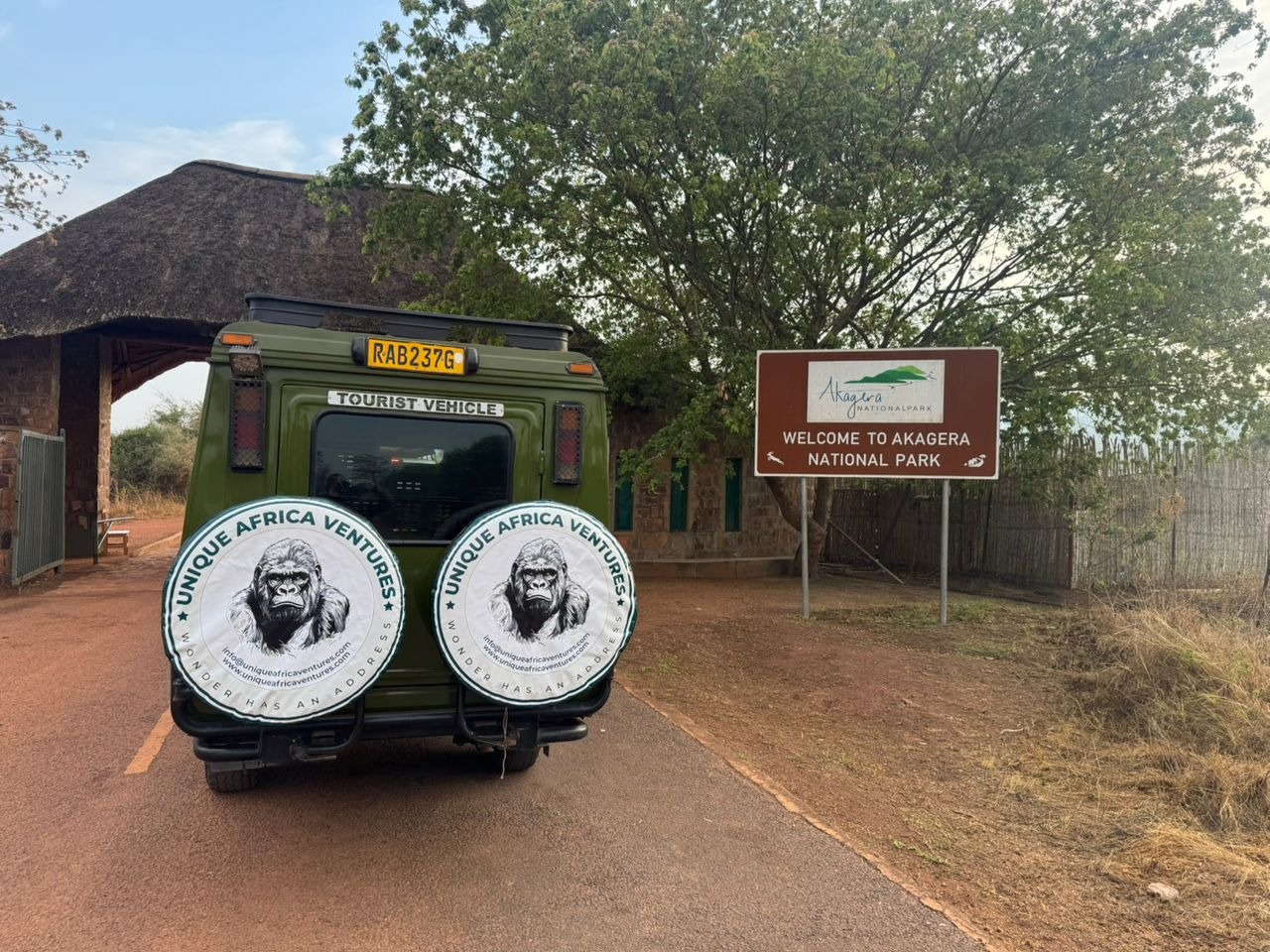
Akagera is often ideal for travelers who value convenience, comfort, and a less overwhelming safari experience. Located in eastern Rwanda, the park is reachable by road from Kigali in roughly two and a half to four hours depending on traffic and lodge location. That accessibility changes the entire rhythm of the trip. You can land in Kigali in the morning and be on a game drive by afternoon without needing another domestic flight. Serengeti, by contrast, usually requires significantly more planning. Most visitors fly into Arusha and continue via bush flight or long overland transfer into the park. For travelers who dislike logistical complexity, Akagera feels refreshingly simple and stress-free.
The scale of the Serengeti is difficult to exaggerate. Covering thousands of square kilometers, it represents one of the world’s most iconic wildlife ecosystems. The feeling of standing in the middle of an endless plain with no visible fences, roads, or towns can be deeply emotional. Akagera offers beauty too, but in a more compact and varied landscape. Instead of endless grasslands, you encounter rolling hills, lakes, wetlands, woodland, and savannah woven together. Travelers who enjoy scenic diversity may actually prefer Akagera because the environment changes constantly during a single drive. Serengeti’s greatness often comes from its immensity and raw openness, while Akagera’s charm lies in its layered scenery and intimacy.
If your safari dream is centered around the Great Migration, then the Serengeti is difficult to replace. Millions of wildebeest and zebras move through the ecosystem in one of nature’s most dramatic spectacles. Predator-prey interactions happen on a scale that feels almost unreal. Watching thousands of animals crossing rivers while crocodiles wait below is one of the defining wildlife experiences on Earth. Akagera cannot offer anything comparable in sheer magnitude. However, many travelers discover that they are not actually seeking nonstop drama. Some prefer peaceful sightings, quieter drives, and slower moments in nature rather than chasing migration timing and crossing predictions across huge distances.
Crowds are another major distinction between the two parks. Serengeti attracts global tourism year-round, especially during migration seasons. Certain wildlife sightings can involve multiple safari vehicles surrounding a single animal. For some visitors, this slightly reduces the feeling of wilderness. Akagera generally feels calmer and more private. You may spend long stretches without encountering another vehicle at all. Travelers who dislike overtourism or want a more personal connection with the landscape often find Akagera surprisingly rewarding. The silence around Akagera’s lakes at sunset can feel more immersive than even some famous Serengeti moments.
Budget plays a huge role in safari decisions. Serengeti safaris can become extremely expensive, especially when including domestic flights, luxury lodges, private guides, and migration-focused itineraries. While budget options exist, many travelers underestimate the total cost of a Serengeti journey. Akagera is usually more affordable overall. Accommodation ranges from comfortable mid-range camps to luxury lodges, but transportation costs remain lower because of proximity to Kigali. Travelers wanting a meaningful safari without entering ultra-luxury pricing often discover that Rwanda offers stronger value than expected.
Wildlife density is one area where Serengeti often dominates expectations. Predator sightings in the Serengeti can be exceptional. Lions, cheetahs, hyenas, leopards, and crocodiles all feature prominently in the ecosystem. Large herds of herbivores create a constant sense of abundance. Akagera has successfully restored its wildlife populations over recent years, including the reintroduction of lions and rhinos, making it one of Africa’s major conservation success stories. Yet the viewing style differs. Akagera wildlife encounters can feel more patient and exploratory rather than immediate and overwhelming. Some travelers love the slower pace because it feels less like a wildlife checklist and more like immersion in an ecosystem.
Photography enthusiasts may lean toward Serengeti if they prioritize dramatic predator action and classic savannah compositions. The lighting across the open plains creates iconic cinematic imagery. Massive herds stretching into the distance produce unforgettable photographs. However, Akagera appeals strongly to photographers interested in environmental variety. Lakes reflecting pink sunsets, birds over wetlands, giraffes moving across rolling hills, and boats gliding through hippo-filled waters provide tremendous compositional diversity. Bird photographers in particular often find Akagera exceptionally rewarding because of its aquatic ecosystems and abundant species.
The style of luxury also differs between these destinations. In the Serengeti, luxury often means exclusive tented camps deep within remote wilderness areas, complete with fine dining and premium guiding. The experience can feel highly polished and expeditionary at the same time. In Akagera, luxury tends to feel more understated and tranquil. Lodges emphasize relaxation, lake views, and intimacy rather than high-adrenaline migration tracking. Travelers seeking a romantic escape or peaceful nature retreat may connect more deeply with Akagera’s atmosphere.
For first-time safari travelers, Akagera can be less intimidating. The shorter travel times, smaller scale, and easier logistics reduce fatigue. Game drives are exciting without being physically exhausting. Serengeti adventures can involve very long drives, early departures, and ambitious wildlife tracking schedules. Experienced safari enthusiasts often enjoy this intensity because they understand the rewards that come with covering huge landscapes. But beginners sometimes underestimate how tiring extended safari days can become. Akagera provides a softer entry point into African wildlife travel while still delivering major species sightings.
Families with young children may also find Akagera more manageable. Reduced transfer complexity matters enormously when traveling with kids. Being close to Kigali allows greater flexibility and easier emergency access if needed. Serengeti family safaris can absolutely be incredible, but they often require more patience, more time, and larger budgets to remain comfortable. Children fascinated by boats, birds, hippos, and shorter game drives may actually engage more consistently in Akagera than during marathon Serengeti tracking days.
Travelers interested in conservation stories may find Akagera uniquely inspiring. The park has undergone a remarkable transformation through protection efforts, community engagement, and wildlife restoration. Its revival demonstrates how conservation partnerships can rebuild ecosystems that once faced severe decline. Serengeti, meanwhile, represents one of the planet’s great surviving natural systems, globally celebrated for biodiversity and ecological continuity. The emotional impact differs: Serengeti inspires awe through scale and ancient natural rhythms, while Akagera inspires hope through recovery and resilience.
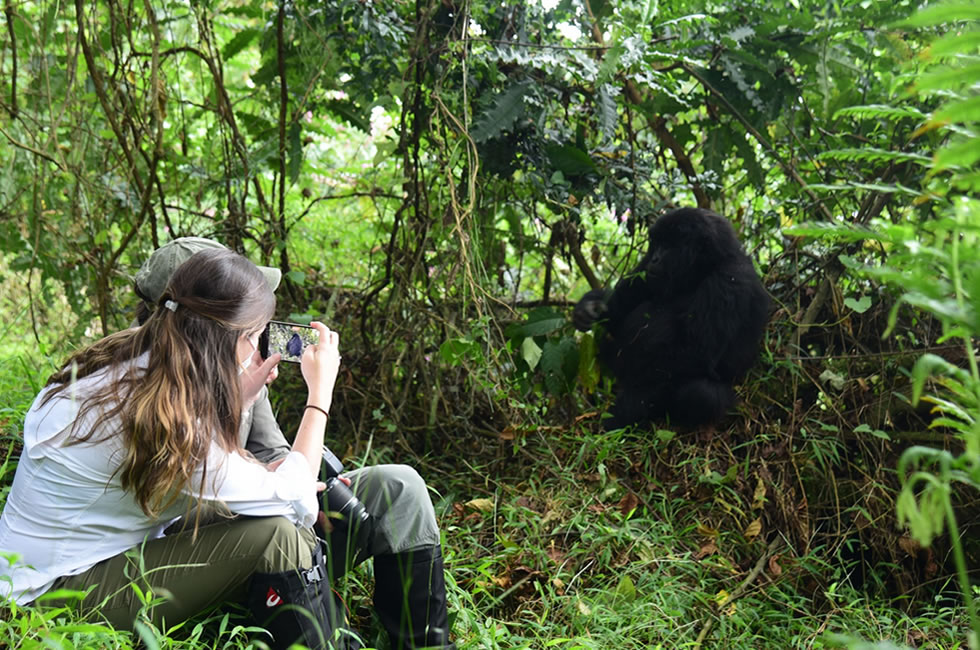
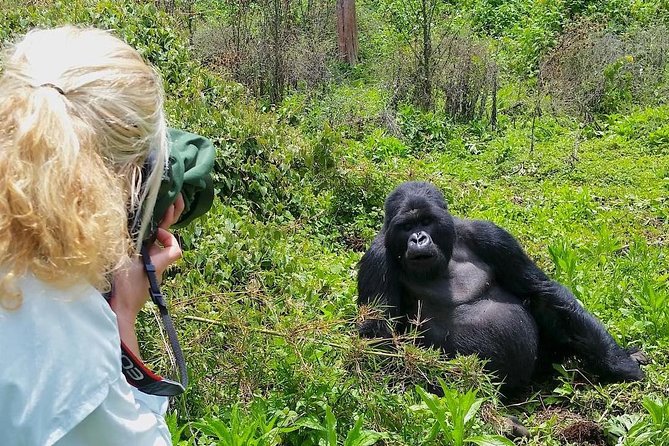
Another important factor is how you want your safari to connect with the rest of your trip. Akagera pairs naturally with broader Rwanda experiences. Many travelers combine it with visits to Volcanoes National Park for gorilla trekking or time exploring Kigali’s art, food, and cultural spaces. Rwanda’s compact geography makes multi-experience itineraries surprisingly efficient. Serengeti often combines with the Ngorongoro Conservation Area, Tarangire National Park, or beach extensions in Zanzibar. Tanzania excels at longer, grand-scale safari circuits with enormous ecological variety.
Accommodation atmosphere matters more than many travelers realize. Serengeti camps often create a frontier feeling where wildlife may move directly around camp at night. Hearing lions in darkness while staying in a canvas tent can feel thrilling and primal. Akagera lodges generally feel calmer and more grounded in comfort. The lake-focused environments encourage slower evenings, sunset drinks, and quiet reflection. Neither style is superior; they simply suit different personalities. Adventurous travelers seeking dramatic immersion may gravitate toward Serengeti camps, while travelers seeking serenity may feel more connected in Akagera.
The pace of wildlife viewing also shapes emotional experience. Serengeti safaris sometimes become highly goal-oriented because of the enormous range of wildlife possibilities. Guides may spend hours tracking cheetahs or moving quickly between sightings. Akagera tends to encourage a more relaxed rhythm. You may stop for extended periods watching hippos in silence or observing elephants crossing wetlands without pressure to rush elsewhere. Travelers who enjoy mindfulness, birdwatching, or slow travel often appreciate this gentler style.
Seasonality has stronger implications in the Serengeti than in Akagera. Migration patterns determine where wildlife concentrations are highest throughout the year, meaning trip timing can dramatically alter your experience. Planning becomes strategic. Akagera generally offers more consistency year-round. While seasonal changes affect scenery and road conditions, the overall safari structure remains simpler to organize. Travelers with limited scheduling flexibility sometimes prefer Akagera because it reduces the pressure of perfectly timing a once-in-a-lifetime migration event.
There is also a psychological difference between visiting a globally famous destination and discovering a place that feels less mainstream. Serengeti carries legendary status. For many people, it fulfills a childhood vision shaped by films, books, and wildlife documentaries. That emotional resonance can be powerful. Akagera, on the other hand, often surprises travelers because expectations are lower. Many visitors arrive curious and leave deeply impressed by the park’s beauty, tranquility, and conservation achievements. The joy of unexpected discovery becomes part of the experience itself.
Ultimately, your ideal safari depends on what kind of memory you want to carry home. If you dream of epic scale, dramatic predator action, and one of the most famous wildlife ecosystems on Earth, the Serengeti is likely your match. If you prefer intimacy, accessibility, scenic variety, quieter experiences, and a more relaxed safari rhythm, Akagera may fit you better. Some travelers spend years believing they need the biggest and most famous safari possible, only to discover that smaller and calmer environments create stronger emotional connections. Others chase the grandeur of Africa’s iconic wilderness and find exactly the life-changing adventure they imagined.
The best safari is not necessarily the one with the most animals, the most expensive lodge, or the most famous name. It is the one aligned with your temperament, travel energy, and personal curiosity. Akagera rewards travelers who appreciate subtle beauty, thoughtful conservation, and slower immersion. Serengeti rewards those seeking scale, spectacle, and the timeless drama of wild Africa. Both can leave you transformed in different ways, and both remind travelers why African safaris remain among the world’s most powerful travel experiences. With Unique Africa Ventures, You Explore Like Never Before!
For more Info, CONTACT US TODAY AND TALK WITH TOUR CONSULTANT:
Call or WhatsApp: +250 794 128 369
Related Posts