
Rwanda Safari Safety Guide for 2027 and Beyond: Travel with Confidence Planning a Rwanda safari…
Best Cultural Tours in Rwanda – Villages, Museums & Local Experiences
Best Cultural Tours in Rwanda – Villages, Museums & Local Experiences
Rwanda is often celebrated for its mountain gorillas and breathtaking landscapes, but the country’s cultural experiences are equally unforgettable. Beyond wildlife safaris, Rwanda offers travellers a deep connection to traditional lifestyles, music, dance, craftsmanship, storytelling, and history. Cultural tours in Rwanda allow visitors to meet local communities, explore royal heritage, discover inspiring museums, and experience daily village life in one of Africa’s most welcoming nations. From the rolling hills of Musanze to the artistic neighborhoods of Kigali, every region presents a different side of Rwanda’s identity.
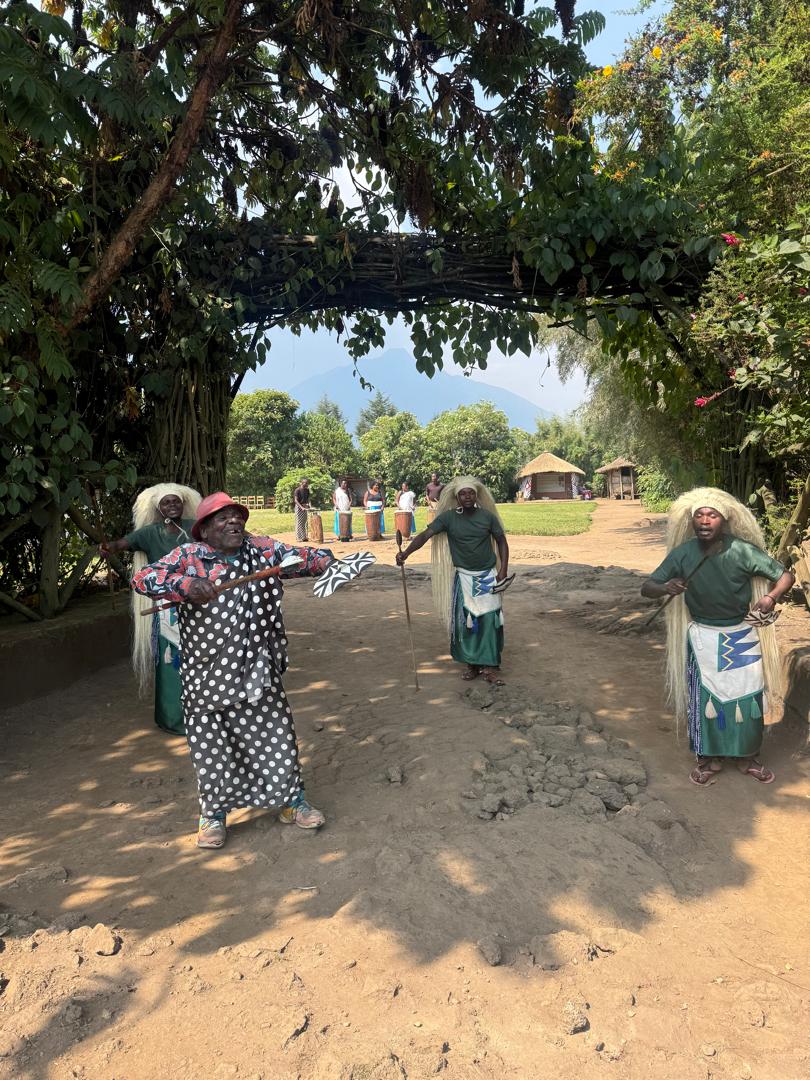
One of the most famous cultural destinations is Iby’Iwacu Cultural Village, also called the Gorilla Guardians Village. Located near Volcanoes National Park, the village was created as a community-based tourism initiative that transformed former poachers into conservation ambassadors. Visitors can participate in traditional drumming, dance performances, local beer making, archery demonstrations, herbal medicine workshops, and storytelling sessions. The experience gives travelers a powerful understanding of how tourism and conservation can improve local livelihoods while protecting endangered wildlife.
The atmosphere at Iby’Iwacu Cultural Village is vibrant and highly interactive. Unlike many staged tourist attractions, visitors are encouraged to actively participate in activities rather than simply observe. Guests can grind sorghum using traditional stones, dress like ancient Rwandan kings and queens, and learn the famous Intore warrior dances. The performances are energetic and symbolic, representing courage, celebration, and community pride. The village also showcases reconstructed traditional huts that reflect pre-colonial Rwandan architecture and lifestyle.
Another remarkable destination is King’s Palace Museum. This museum offers visitors a glimpse into Rwanda’s royal heritage before colonial rule. The reconstructed royal residence features traditional thatched architecture and beautifully designed royal huts. One of the highlights is seeing the majestic Inyambo cows, known for their enormous horns and ceremonial importance in Rwandan culture. Guides explain the monarchy’s role in shaping Rwanda’s traditions, governance, and social structures. Visiting the palace provides historical context that enriches the understanding of modern Rwanda.
In the southern district of Huye, travellers can visit Ethnographic Museum, one of the finest museums in East Africa. The museum contains extensive collections of traditional tools, agricultural equipment, pottery, hunting instruments, royal artifacts, and cultural exhibits. Through these displays, visitors learn about ancient Rwandan society, craftsmanship, music, poetry, and traditional medicine. The museum is especially valuable for travellers seeking a deeper academic and historical perspective on the country’s cultural evolution.
Kigali, Rwanda’s capital city, also offers excellent cultural experiences. Inema Arts Center has become one of the country’s leading creative spaces. Founded by local artists, the center showcases contemporary African paintings, sculptures, dance, and music performances. Visitors can meet artists directly, participate in workshops, and observe how Rwanda’s younger generation expresses identity and social change through modern art. The center demonstrates that Rwandan culture is not only rooted in tradition but also alive and evolving.
Another meaningful cultural experience in Kigali is the Nyamirambo Women’s Center. This community organization offers guided neighborhood walking tours led by local women. Visitors explore colorful streets, markets, salons, tailor shops, and family homes while learning about urban Rwandan life. Guests can also join cooking classes where they prepare local dishes such as isombe, beans, plantains, cassava, and brochettes. These experiences support women’s economic empowerment while offering authentic cultural interaction.
For travellers interested in community-based tourism, Muhasuka Cultural Centre provides unforgettable cultural immersion programs. The center works closely with rural women and local communities to preserve traditional practices while creating sustainable employment opportunities. Activities include traditional dance lessons, storytelling sessions, homestead visits, local farming experiences, and cultural exchange programs. Visitors not only enjoy entertainment but also contribute directly to community development initiatives.
The western region of Rwanda offers unique cultural experiences near Lake Kivu. Communities along the lake provide opportunities to experience fishing traditions, island visits, boat rides, and village interactions. Travelers can stay in eco-lodges where local guides organize cooking sessions, traditional music nights, and craft-making workshops. Many visitors appreciate the slower pace of life around Lake Kivu, where cultural exchange often happens naturally through conversations with local residents.
One increasingly popular destination is Nyungwe Cultural Village near Nyungwe National Park. Here, visitors can combine rainforest adventures with cultural immersion. Activities include tea plantation tours, traditional dance performances, village walks, and learning about local agricultural practices. Travelers often enjoy hearing oral histories and legends passed down through generations in the surrounding communities.
Tea culture itself has become an important tourism experience in Rwanda. In regions like Gisovu and Nyamasheke, visitors can tour lush tea plantations stretching across the hillsides. Local guides explain how tea is cultivated, harvested, dried, and exported. Some tours allow guests to participate in tea picking alongside local workers before enjoying fresh Rwandan tea with scenic mountain views. These experiences combine agriculture, economy, and cultural heritage into one memorable journey.
Craftsmanship is another major highlight of Rwanda’s cultural tourism. Basket weaving cooperatives throughout the country produce the famous Agaseke peace baskets, which symbolize unity and reconciliation. Visitors can join weaving workshops where local artisans teach traditional techniques passed down through generations. Purchasing handmade crafts directly from cooperatives helps support families and preserve cultural traditions. Many workshops also explain how artisan programs became important tools for post-genocide economic rebuilding.
Music and dance remain central elements of Rwandan identity. Traditional performances often feature drums, songs, and the famous Intore dance, known for graceful movements and symbolic warrior choreography. Performers wear colorful costumes with grass wigs and carry spears during ceremonial dances. These performances are not only entertaining but also deeply connected to Rwanda’s historical values of bravery, celebration, and unity. Cultural villages and community centers frequently organize evening dance events where visitors can participate alongside local performers.
Food tours in Rwanda are becoming increasingly popular among travellers seeking authentic local experiences. Traditional dishes include ugali, cassava, grilled goat meat, beans, sweet potatoes, and plantains. In rural communities, visitors may help prepare banana beer or learn traditional cooking methods using wood-fired stoves. Kigali’s growing restaurant scene also blends traditional recipes with modern culinary creativity, offering a fascinating mix of heritage and innovation.
Rwanda’s markets are another excellent gateway into local culture. Markets such as Kimironko Market in Kigali allow visitors to experience the rhythm of daily life. Vendors sell colorful fabrics, fresh produce, spices, handcrafted goods, and household items. Walking through these bustling spaces offers insight into commerce, fashion, social interaction, and everyday traditions. Many guided tours include market visits combined with food tasting and craft shopping.
Art tourism has expanded rapidly in Rwanda over the last decade. Besides Inema Arts Center, travellers can explore galleries, community art studios, and cultural festivals that celebrate both traditional and modern African creativity. Young Rwandan artists increasingly use painting, photography, sculpture, and music to explore themes of resilience, identity, unity, and hope. This vibrant creative movement has become an important part of Rwanda’s cultural transformation.
Village homestays provide one of the most authentic ways to experience Rwanda. Staying with local families allows travellers to participate in farming activities, attend community gatherings, share meals, and observe rural life first hand. Visitors often describe these homestays as the most memorable part of their journey because they create genuine human connections beyond typical tourism activities. In rural areas, hospitality is deeply valued, and guests are often welcomed warmly into family life.
Cultural tourism in Rwanda is also closely connected to sustainability and conservation. Many community tourism projects were developed specifically to reduce poverty and discourage environmentally harmful activities such as poaching. Programs near national parks now generate income through tourism, handicrafts, guiding, and performances. This model has helped communities benefit directly from preserving Rwanda’s wildlife and ecosystems.
One of Rwanda’s greatest strengths as a cultural destination is the warmth of its people. Travelers frequently describe meaningful conversations with local residents as the highlight of their visit. Whether sharing tea in a village, learning dance steps from performers, or discussing history with museum guides, visitors often leave Rwanda with a strong emotional connection to the country and its communities.
The best time for cultural tours in Rwanda is during the dry seasons from June to September and December to February. During these months, roads are more accessible, village walks are easier, and outdoor performances are more common. However, Rwanda’s moderate climate makes cultural travel possible throughout the year. Travelers should dress respectfully, ask permission before photographing people, and approach cultural experiences with curiosity and openness.
Ultimately, Rwanda’s cultural experiences go far beyond sightseeing. They invite travellers to participate, learn, share, and connect. From royal palaces and museums to remote villages and vibrant art centers, Rwanda offers cultural journeys that are educational, emotional, and deeply human. Visitors not only discover Rwanda’s traditions but also witness a country that continues to preserve its heritage while building a modern and forward-looking society.
For more Info,CONTACT US TODAY AND TALK WITH TOUR CONSULTANT:
Call or WhatsApp: +250 794 128 369
Related Posts