
Affordable Rwanda Safari Adventures Rwanda is one of Africa’s most rewarding destinations for travelers who…
Border Crossing for Gorilla Tracking In Bwindi From Kigali
Gorilla tracking in Uganda’s Bwindi Impenetrable National Park has become one of Africa’s most sought-after wildlife experiences. For many international visitors, the most convenient gateway to Bwindi is not through Uganda’s capital city but through Kigali. Due to its proximity to southwestern Uganda, Kigali offers a shorter and often more comfortable route to the gorilla trekking regions of Bwindi. Every year, thousands of travelers choose to cross the border from Rwanda into Uganda to enjoy this unforgettable adventure among the endangered mountain gorillas.

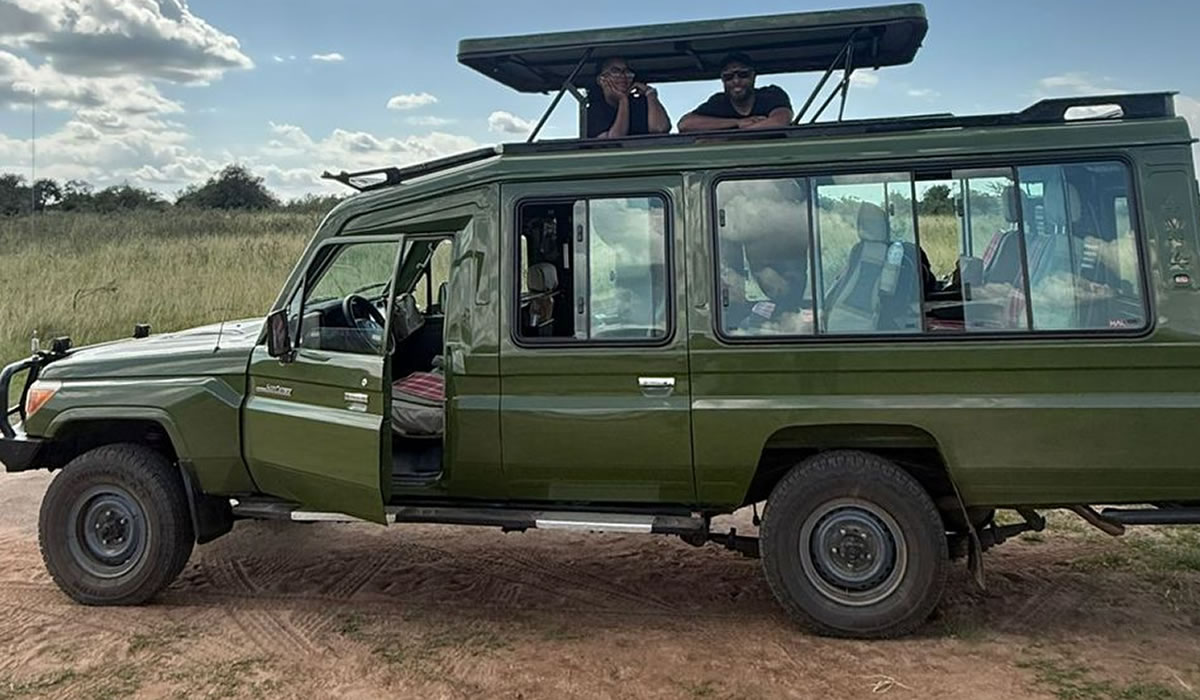
The journey begins in Kigali, a modern and clean city known for its organized infrastructure, safety, and efficient airport services. After arriving at Kigali International Airport, travelers are met by their guides or tour operators and begin the drive toward the Uganda-Rwanda border. Depending on the chosen gorilla trekking sector in Bwindi, the journey from Kigali typically takes between four and six hours, making it significantly shorter than traveling from Uganda’s capital, Kampala.
One of the biggest advantages of crossing from Kigali is the reduction in travel time. Visitors heading to Bwindi from Kampala often spend eight to ten hours on the road, while travelers departing from Kigali can reach many Bwindi sectors in nearly half that time. This convenience allows visitors to spend more time enjoying their safari experience and less time sitting in a vehicle.
The most commonly used border posts for travelers heading to Bwindi are Katuna Border Post and Cyanika Border Post. The choice of border crossing largely depends on which sector of Bwindi visitors plan to trek in. Cyanika is often preferred for travelers visiting the Rushaga and Nkuringo sectors, while Katuna may be used for other southwestern Uganda destinations.
Crossing the border is generally straightforward when travelers have the necessary travel documents. Most foreign visitors require either a visa or the East Africa Tourist Visa, which allows movement between Uganda, Rwanda, and Kenya. This visa is particularly beneficial for tourists planning to explore multiple East African countries during one trip. Immigration procedures at the border are usually efficient, especially when travelers are accompanied by experienced tour operators.
Before beginning the journey, visitors should ensure that their passports remain valid for at least six months beyond their travel dates. It is also advisable to carry printed copies of accommodation bookings, gorilla permits, and travel insurance documents. Having all paperwork readily available helps facilitate a smooth border crossing process and minimizes delays.
The scenic drive from Kigali to Bwindi is an attraction in itself. Travelers pass through rolling hills, rural villages, tea plantations, and lush agricultural landscapes. Rwanda is often referred to as the “Land of a Thousand Hills,” and visitors quickly understand why as they travel through its picturesque countryside. The breathtaking scenery creates a memorable introduction to the adventure ahead.
Upon entering Uganda, the landscape becomes even more dramatic. The mountainous terrain surrounding Bwindi offers spectacular views of valleys, forests, and terraced farmlands. The region’s natural beauty reflects the rich biodiversity that has made Bwindi a globally recognized conservation area and a designated UNESCO World Heritage Site.
Many travelers choose to spend a night in Bwindi before their gorilla trek. The area offers a wide range of accommodations, from budget lodges to luxury eco-retreats. These lodges provide comfortable lodging while allowing guests to immerse themselves in the forest environment. Evening campfires, local cultural performances, and panoramic forest views enhance the overall experience.
Gorilla trekking day typically begins early in the morning. Visitors report to the park headquarters for registration, briefing sessions, and group allocation. Park rangers explain trekking rules, safety procedures, and conservation guidelines designed to protect both visitors and gorillas. These briefings play a critical role in ensuring a responsible wildlife encounter.
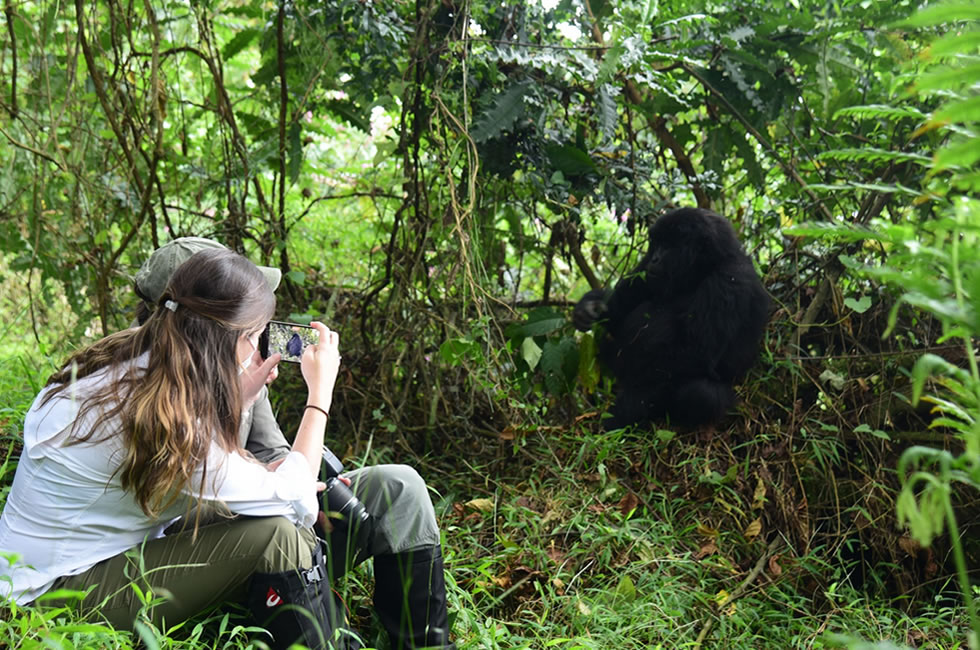
The trek itself varies in duration depending on the location of the gorilla family being tracked. Some groups may be found within a couple of hours, while others require longer hikes through dense forest vegetation and steep terrain. Experienced guides and trackers lead visitors through the jungle while sharing fascinating information about the ecosystem and gorilla behavior.
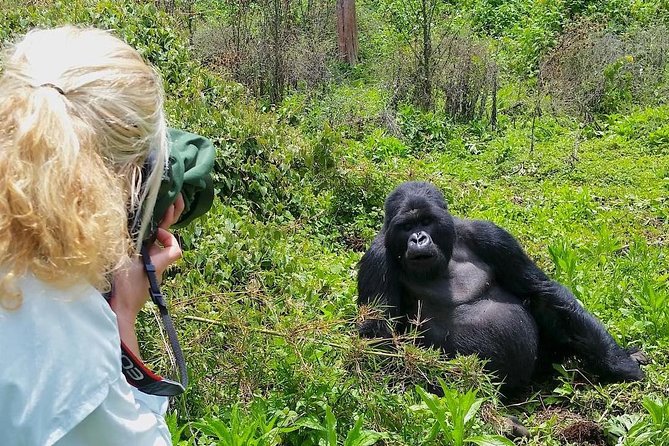
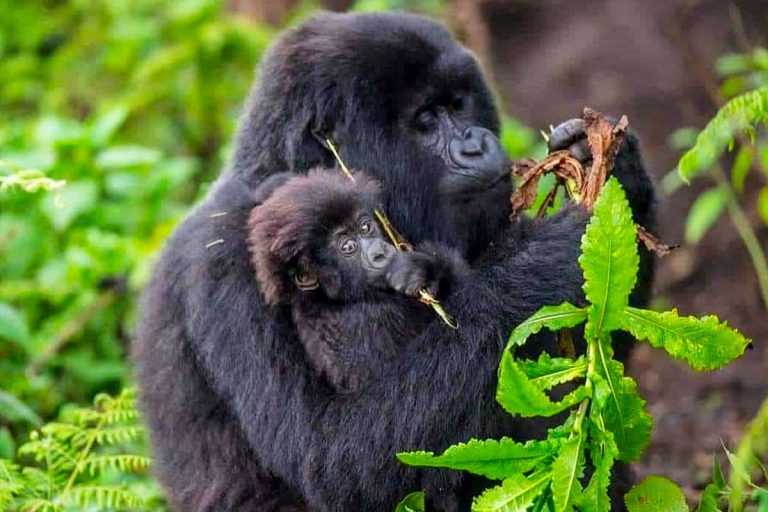
One of the most emotional moments of the journey occurs when trekkers first encounter a mountain gorilla family. Watching these magnificent primates interact in their natural habitat creates a powerful connection with nature. Visitors often describe the experience as life-changing due to the intelligence, social bonds, and human-like characteristics displayed by the gorillas.
Conservation is a central aspect of gorilla tourism in Bwindi. Revenue generated from gorilla permits supports wildlife protection efforts, community development projects, ranger operations, and habitat preservation. By participating in gorilla trekking, visitors contribute directly to the survival of one of the world’s most endangered primate species.
Local communities also benefit significantly from tourism. Employment opportunities in guiding, hospitality, transportation, handicraft production, and cultural tourism have improved livelihoods across the region. Many community projects near Bwindi receive support from tourism revenue, helping to promote sustainable development while encouraging conservation awareness.
After completing the gorilla trek, many visitors extend their stay to explore other attractions in southwestern Uganda. Activities may include nature walks, birdwatching, cultural encounters with local communities, and visits to nearby lakes and scenic viewpoints. The region offers numerous opportunities to deepen one’s appreciation of Uganda’s natural and cultural heritage.
Travelers returning to Kigali after gorilla trekking often appreciate the convenience of the route. The relatively short transfer allows for flexible travel schedules and easier international flight connections. Some visitors choose to spend an additional day in Kigali exploring the city’s museums, markets, restaurants, and historical sites before departing for home.
The border crossing route from Kigali to Bwindi has transformed the way many tourists access Uganda’s gorilla trekking destinations. Improved road infrastructure, efficient immigration procedures, and growing regional tourism cooperation have made the journey easier and more accessible than ever before. As a result, Kigali has become one of the leading gateways for gorilla adventures in East Africa.
For travelers seeking a combination of convenience, stunning landscapes, cultural experiences, and extraordinary wildlife encounters, crossing the border from Kigali to Bwindi remains an excellent choice. The journey offers not only access to the world’s remaining mountain gorillas but also an opportunity to experience the beauty and hospitality of both Rwanda and Uganda. From the rolling hills of Kigali to the ancient forests of Bwindi, every stage of the trip contributes to an unforgettable African safari experience.
Ultimately, gorilla tracking in Bwindi via Kigali represents much more than a simple border crossing. It is a journey through two remarkable countries, a celebration of conservation success, and a rare chance to observe one of nature’s most extraordinary creatures in the wild. For many visitors, the memories created during this adventure remain among the most treasured experiences of their lifetime. With Unique Africa Ventures, You Explore Like Never Before!
For more Info, CONTACT US TODAY AND TALK WITH TOUR CONSULTANT:
Call or WhatsApp: +250 794 128 369
Related Posts