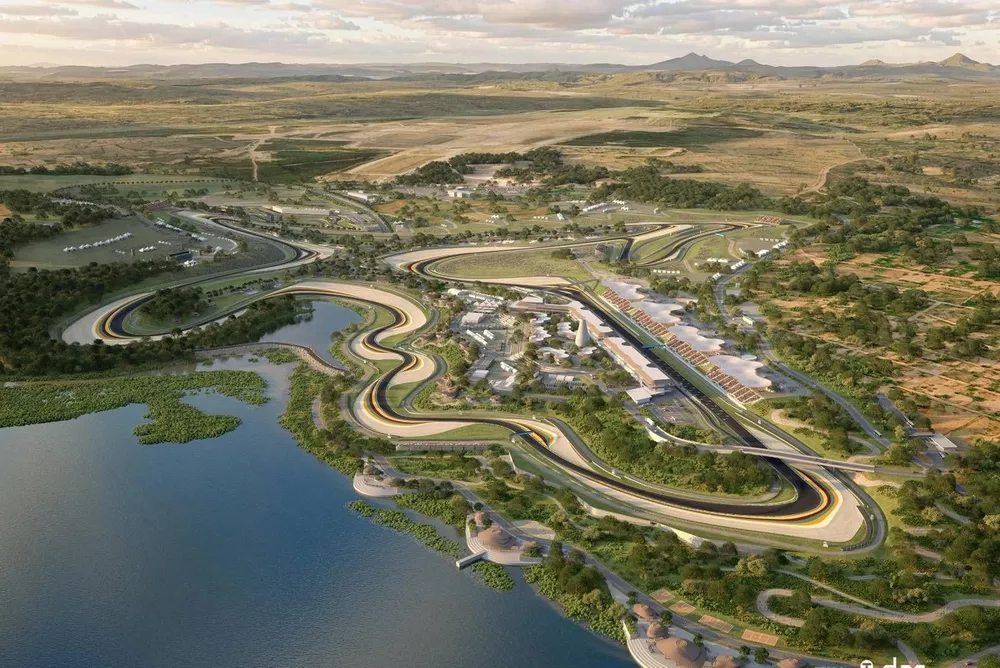

1. Formula 1 Rwanda 2030 – Discover the Future of African Motorsport and Luxury Tourism…
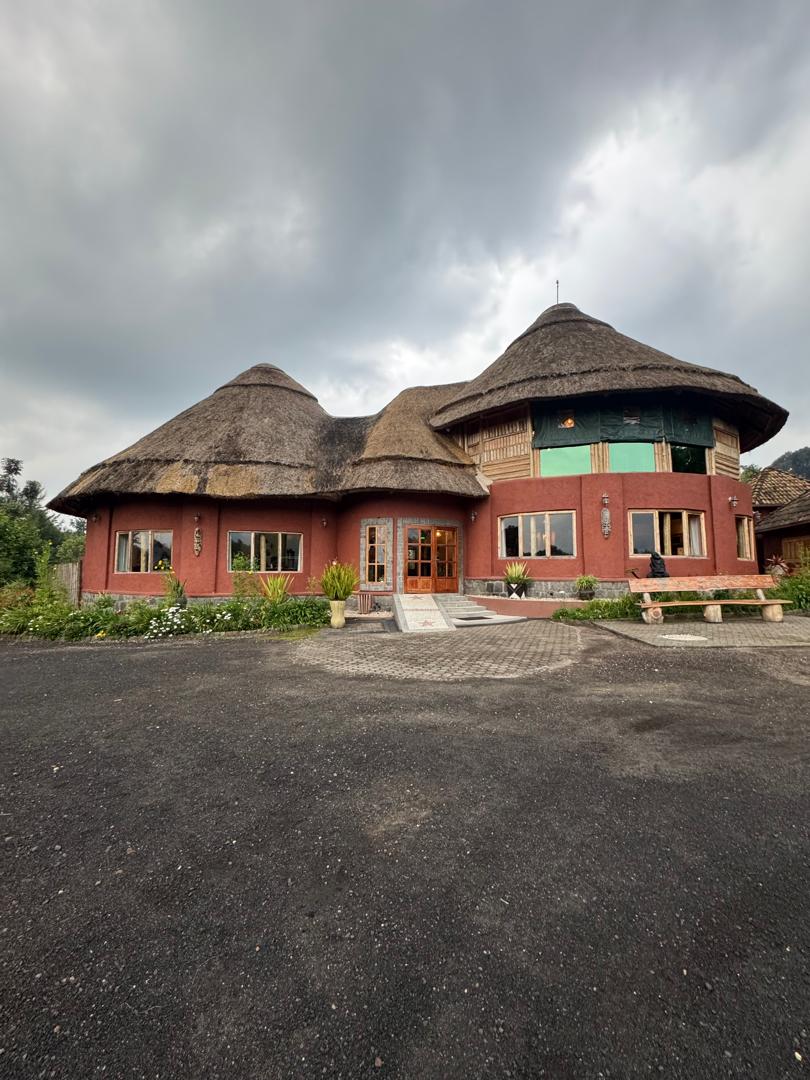
Best Eco-Friendly Safari Lodges in Rwanda
Rwanda has become one of Africa’s leading destinations for sustainable tourism, combining breathtaking wildlife experiences with strong conservation policies and community-based travel initiatives. From the mist-covered slopes of Volcanoes National Park to the savannahs of Akagera and the ancient rainforests of Nyungwe, eco-friendly safari lodges in Rwanda are redefining luxury travel through sustainability, environmental protection, and cultural preservation. Travelers who choose eco-conscious lodges are not only enjoying extraordinary safari experiences but are also directly contributing to wildlife conservation, gorilla protection, local employment, and reforestation projects throughout the country. Rwanda’s commitment to sustainable tourism has helped position it as one of the most environmentally progressive safari destinations in Africa.
One of the most famous eco-luxury lodges in Rwanda is Wilderness Bisate Lodge. Located near Volcanoes National Park, Bisate Lodge is widely recognized for blending sustainability with architectural beauty. The lodge was designed using natural volcanic materials and traditional Rwandan architectural inspiration. Its forest villas overlook the dramatic Virunga volcanoes while maintaining minimal environmental impact. Bisate is especially admired for its ambitious reforestation program, where thousands of indigenous trees have been planted to restore the natural habitat surrounding the park. Every guest staying at the lodge indirectly contributes to gorilla conservation and habitat restoration projects.
The experience at Bisate Lodge goes far beyond luxury accommodation. Guests participate in conservation education, guided nature walks, and community visits that showcase Rwanda’s ecological recovery and environmental leadership. The lodge’s sustainability philosophy includes water conservation systems, locally sourced construction materials, organic farming, and extensive partnerships with nearby communities. The staff are predominantly local residents who benefit directly from tourism revenue and skills development programs. This model demonstrates how eco-tourism can create long-term social and environmental value while still offering world-class hospitality.
Another exceptional sustainable property is Singita Kwitonda Lodge, a luxury eco-lodge located on the edge of Volcanoes National Park. Named after a famous silverback gorilla, the lodge is deeply connected to gorilla conservation and habitat restoration. Singita designed the property with sustainability at its core, incorporating solar-powered systems, locally crafted materials, farm-to-table dining, and zero single-use plastic policies. The lodge’s architecture harmonizes with the volcanic landscape while maximizing energy efficiency and minimizing ecological disturbance.
Singita Kwitonda Lodge also operates a major conservation nursery known as the Akarabo Nursery, which focuses on indigenous tree planting and ecosystem restoration around the national park. This initiative supports the long-term survival of endangered mountain gorillas by expanding forest habitat and reducing environmental degradation. Guests staying at the lodge often participate in educational programs that explain how tourism revenue directly funds conservation projects, ranger training, and local community development. The lodge represents one of Africa’s strongest examples of how ultra-luxury tourism can successfully coexist with environmental responsibility.
In Nyungwe Forest National Park, Kitabi Eco Centre offers a more affordable yet deeply authentic eco-tourism experience. Positioned near one of Africa’s oldest rainforests, Kitabi Eco Centre emphasizes conservation, education, and cultural heritage. The property combines eco-friendly camping, locally inspired accommodations, and environmentally conscious tourism activities. Visitors can enjoy hiking, birdwatching, coffee experiences, and forest excursions while learning about environmental management and conservation practices in the region.
What makes Kitabi Eco Centre particularly special is its strong community-based tourism model. The lodge supports local guides, nearby farmers, and cultural educators who share Rwanda’s traditions and ecological knowledge with travelers. The center also encourages low-impact tourism through responsible waste management, reduced energy consumption, and sustainable agriculture. Travelers seeking a meaningful eco-adventure without the extreme cost of luxury safari lodges often find Kitabi Eco Centre to be one of Rwanda’s most rewarding sustainable destinations.
Close to Akagera National Park, Rutété Eco Lodge has quickly gained recognition as one of Rwanda’s finest eco-conscious safari accommodations. Surrounded by forest gardens and local farmland, the lodge combines modern comfort with a strong commitment to environmental sustainability and community empowerment. Its proximity to Akagera makes it ideal for wildlife safaris while still offering a peaceful retreat rooted in nature and local culture.
Rutété Eco Lodge supports local communities through inclusive employment programs, sustainable agriculture, and locally sourced cuisine prepared using ingredients grown in the lodge’s gardens and nearby farms. The lodge’s philosophy centers on reconnecting travelers with nature while creating positive economic opportunities for surrounding communities. Guests often praise the authentic atmosphere, sustainable hospitality practices, and personalized cultural experiences that make the lodge feel deeply connected to Rwanda’s natural environment.
For travelers seeking eco-friendly luxury near Rwanda’s volcano region, My Hill Eco Lodge provides another excellent option. Located between Rwanda’s twin lakes with panoramic volcano views, the lodge integrates sustainability into both its hospitality operations and community engagement. The property emphasizes responsible tourism, local employment, and authentic cultural exchange while offering elegant accommodations and immersive outdoor activities such as hiking, boating, and nature walks.
My Hill Eco Lodge is especially known for employing local staff and promoting diversity within its workforce. The lodge’s commitment to sustainable tourism reflects Rwanda’s broader national strategy of ensuring tourism development benefits local communities while protecting natural ecosystems. Visitors staying at the lodge experience not only the beauty of northern Rwanda but also the warmth of local hospitality and the importance of environmentally responsible travel practices.
Within Akagera National Park, sustainable safari tourism has played a major role in restoring Rwanda’s wildlife populations and protecting biodiversity. Eco-friendly lodges around the park actively contribute to conservation programs that helped reintroduce lions and rhinos into Akagera after decades of decline. Today, the park is home to the Big Five and more than 500 bird species, attracting eco-conscious travelers from around the world. Sustainable safari operations in Akagera prioritize low-impact tourism, responsible wildlife viewing, and partnerships with conservation organizations.
Eco-friendly safari lodges in Rwanda also contribute significantly to reducing carbon footprints through renewable energy initiatives. Many properties use solar power, rainwater harvesting systems, natural ventilation, and environmentally sensitive architecture to minimize their environmental impact. Waste reduction programs, plastic-free policies, and organic farming practices have become increasingly common among Rwanda’s leading safari lodges. These measures not only protect fragile ecosystems but also inspire travelers to think more critically about sustainable travel choices.
Another defining feature of Rwanda’s eco-lodges is their close collaboration with local communities. Sustainable tourism in Rwanda is designed to ensure that tourism revenue directly benefits nearby villages through employment, education, infrastructure development, and cultural preservation. Many lodges employ local artisans, guides, farmers, and performers while sourcing food and construction materials locally whenever possible. This community-centered approach helps reduce poverty while preserving Rwanda’s cultural identity and environmental heritage.
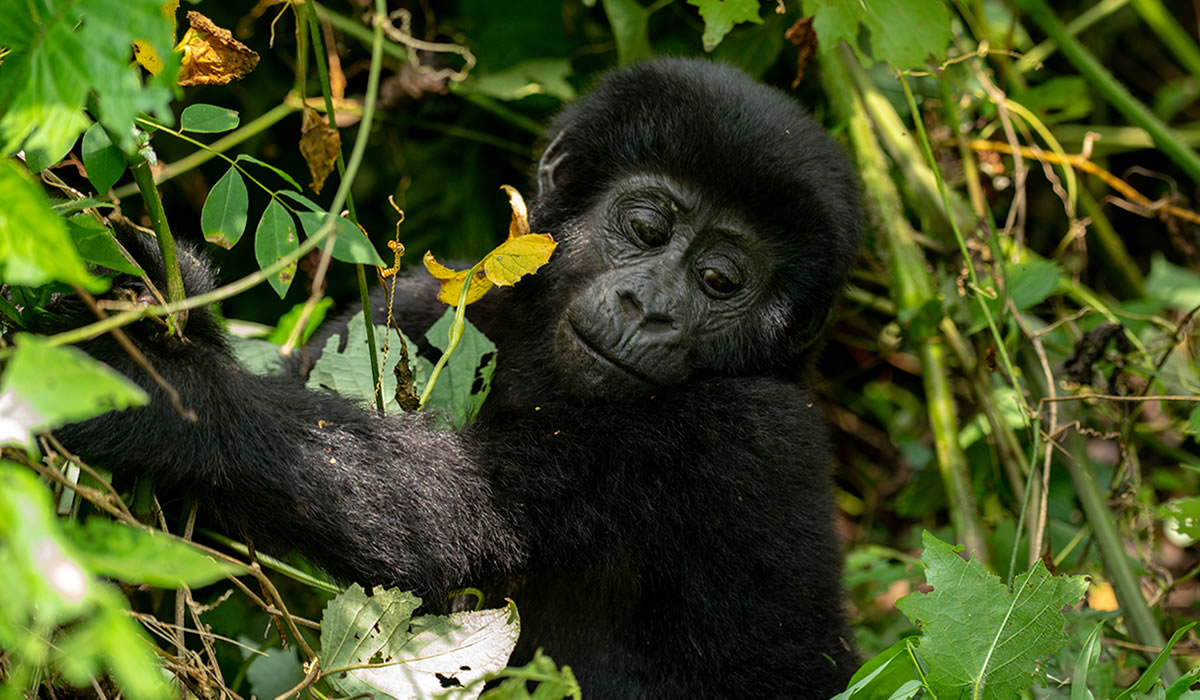
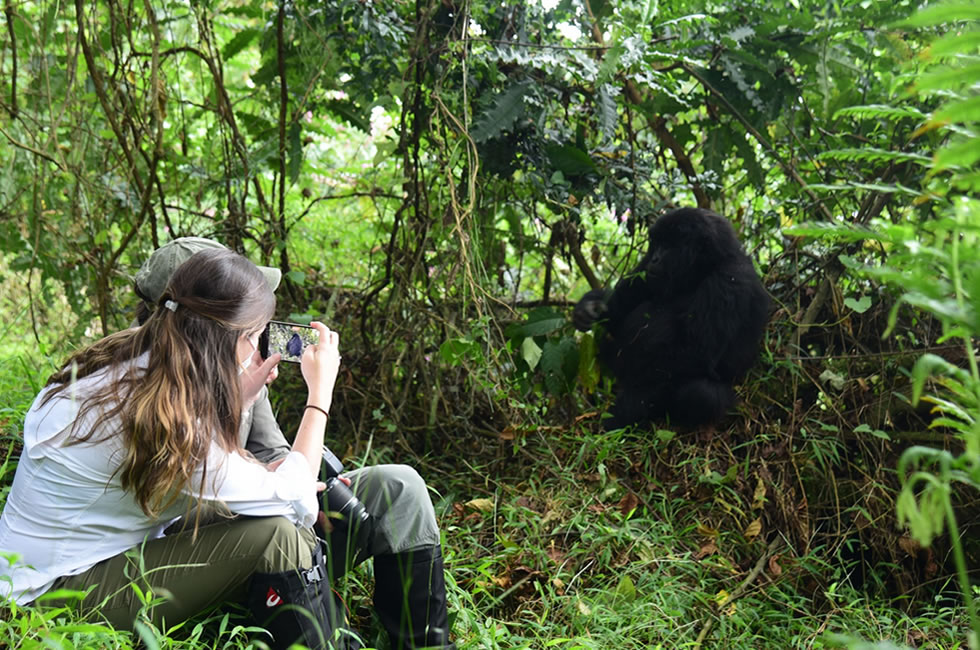
Gorilla tourism remains one of Rwanda’s strongest conservation success stories. Revenue generated from gorilla trekking permits and eco-lodge tourism helps fund anti-poaching patrols, wildlife veterinary services, habitat restoration, and scientific research. Ethical safari lodges work closely with conservation organizations to educate visitors about responsible wildlife tourism and the importance of protecting endangered mountain gorillas. Travelers who choose sustainable lodges become part of a larger conservation effort that has contributed significantly to the recovery of gorilla populations in the Virunga region.
Nyungwe Forest eco-lodges also support chimpanzee conservation and rainforest protection. As one of Africa’s oldest and most biologically diverse forests, Nyungwe plays a critical role in regional biodiversity conservation. Sustainable lodges in the area encourage low-impact activities such as canopy walks, birdwatching, guided forest hikes, and chimpanzee trekking while helping preserve the forest ecosystem through conservation partnerships and environmental education.
Luxury eco-tourism in Rwanda demonstrates that high-end travel can support environmental protection instead of damaging it. Rather than constructing massive resorts that overwhelm natural areas, Rwanda’s best eco-lodges focus on small-scale, low-density tourism that preserves ecological integrity while maximizing economic benefits for local communities. This approach allows travelers to experience intimate wildlife encounters and pristine natural landscapes without contributing to overtourism or habitat destruction.
Travelers choosing eco-friendly safari lodges in Rwanda often report deeper and more meaningful travel experiences compared to conventional tourism. Staying in environmentally conscious lodges encourages guests to engage with local cultures, learn about conservation challenges, and appreciate the delicate balance between tourism and environmental preservation. Whether trekking mountain gorillas in Volcanoes National Park, exploring Akagera’s savannahs, or walking through Nyungwe’s rainforest canopy, eco-tourism in Rwanda offers unforgettable adventures grounded in sustainability and responsibility.
Rwanda’s success in eco-tourism serves as an inspiring example for other African safari destinations. Through strong environmental policies, community involvement, and partnerships between conservation organizations and tourism operators, the country has created a sustainable tourism model that protects wildlife while generating economic growth. Eco-friendly safari lodges are at the center of this transformation, proving that tourism can be both luxurious and environmentally responsible. With Unique Africa Ventures, You Explore Like Never Before!
For more Info, CONTACT US TODAY AND TALK WITH TOUR CONSULTANT:
Call or WhatsApp: +250 794 128 369
Related Posts